




Latest posts
Magazine


Vitamins: Can they help with depression?
According to the German Medical Journal, around 6.2 million people nationwide are affected by depression every year. [1] This means that this illness is rightly considered a widespread disease. But what can be done - apart from medication and therapy - to combat this mental illness? What role does nutrition play, or more precisely, what role does the supply of vitamins and minerals play? We have examined the topic and will tell you whether and how vitamins can help those affected to fight depression.
IT'S WORTH READING!
AT THE END OF THE ARTICLE WE WOULD LIKE TO GIVE YOU A LITTLE JOY WITH A VOUCHER!
Depressed? Or just in a bad mood?
According to the German Medical Journal, around 6.2 million people nationwide are affected by depression every year. This means that this illness is rightly considered a widespread disease. [1]
Depression is an illness in the medical sense that is anything but a temporary phase or a low mood. It is a serious mental illness that requires treatment because it massively influences the thoughts, feelings and actions of the affected person. [2]
And as if that wasn't bad enough, depression can cause various bodily functions to malfunction, causing you to suffer even more.
But when is the diagnosis of “depression” made?
If at least two of three main symptoms with at least two accompanying secondary symptoms occur over a period of two weeks - or longer - then this is a mental illness. Even though celebrities in particular keep making headlines because of depression-induced suicide, there are now various ways to treat this illness.
The website of the German Depression Help Foundation lists the three main symptoms - including additional symptoms: [3]
Depressed mood
Many sufferers report that they can no longer perceive their own feelings. They describe their inner self as “empty” and are often sad and depressed. They say they feel “petrified”.
Lack of interest or joy
Everything that was important is suddenly unimportant. Interest in things that were previously fun and brought joy has (almost) completely disappeared. This also applies to activities with your own family, hobbies or your favorite sport.
Lack of motivation or increased fatigue
It is particularly difficult for those affected to pull themselves together. There seems to be hardly any energy and even everyday things, such as shopping or brushing your teeth in the morning, seem like impossible tasks. This leads to a situation where at some point less and less is done because it is simply no longer manageable. In addition, there is usually a complete inability to make decisions even in the most mundane things of daily life.
The difference between depression and being depressed is probably a little more obvious now, right?
The chemistry in the head is no longer right
Depression usually has not just one cause, but many different reasons. Genetic predisposition plays a role, as do psychosocial and neurobiological factors. [4]
And like so many things in the body, moods and feelings are regulated by hormones, neurotransmitters and other chemical substances. In a depressive illness, these substances, among others, become unbalanced. One measure against this is the administration of antidepressants, which are intended to restore this balance. [5]
It has now become established that nutrition - especially vitamins and minerals - could have a positive effect on the course and severity of this disease.
The idea: nutrients influence our brain metabolism. Because different nutrients probably have a direct effect on the levels of dopamine, serotonin or noradrenaline, certain foods could have a positive influence on our brain chemistry. [6]
So can diet be a step towards healing? Let's look at the role of vitamins and minerals in treating depression!
Vitamins: The solution for those affected?
It is now widely known that vitamins are vital for a healthy metabolism. The benefits of various vitamins, such as vitamin C , B vitamins , vitamin D and vitamin K , are also no longer a secret.
However, their role in brain metabolism is less well known to most people. For example, vitamins B12 and C, together with folic acid, support the synthesis of dopamine and noradrenaline. For this reason, a possible undersupply of these nutrients could be linked to faulty brain metabolism and have a negative impact on one's mood. [7]
Of course, vitamins are not a miracle cure for depression; an orange alone does not put you in a good mood. However, a healthy diet rich in vitamins can be a helpful basis for treating various illnesses.
Time to take a closer look at vitamins and their effects:
Different vitamins and their effects on depression
Vitamins are not a miracle cure for depression or a cure for it. However, a healthy, vitamin-rich diet can be helpful as a fundamental part of treatment.
The B vitamins
First, we'll look at a whole group of vitamins, the water-soluble B vitamins. Do they play a role when it comes to depression?
A study from the University of Pleven, published in the Journal of Biomedical and Clinical Research in 2017, concluded that people with a vitamin B12 deficiency are more likely to suffer from depression or anxiety. [8]
As we mentioned above, serotonin is important. Among other things, this chemical compound regulates our sleep-wake cycle and has antidepressant properties. The vitamins niacin (B3), pyridoxine (B6) and folic acid (B9) are essential for its production.
In addition to the synthesis of serotonin, vitamins cobalamin (B12) and B6 are also needed for the production of dopamine and GABA (gamma-aminobutyric acid, also written γ-aminobutyric acid ). GABA, another neurotransmitter, is said to have a calming effect on nerve cells, which is said to lead to less anxiety and stress. [9]
Here is a list of other studies that link B vitamins to their effectiveness in treating depression:
A 2015 study found a link between vitamin B12 and folic acid deficiency and an increased risk of depression. It also considered supplementation with nutritional supplements to reduce symptoms of depression in certain populations. [10]
The results of a study published in the Open Neurology Journal in 2013 showed a possible effectiveness of vitamin B12 in combination with antidepressants in people suffering from major depressive disorder (MDD) [11]
Researchers at Kyoto University found that depressive symptoms could be improved by vitamin B6 when given together with other nutrients - a form of vitamin B3 called nicotinamide and tryptophan . [12]
An article in the German Medical Journal, which cites various studies, highlights the connection between a deficiency in vitamin B12 and depression. [13]
Despite the extensive research in this area, the role that B vitamins actually play in mental health has not yet been conclusively clarified.
Vitamin D
The so-called “sunshine vitamin”, vitamin D , fulfils important functions in a large number of the body’s processes. These range from serotonin regulation to the protection of nerve cells and bone metabolism. [14]
The vitamin also plays a role in the issue of depression.
The results of a study published in the Indian Journal of Psychological Medicine in 2020 establish a link between people with depression and low or deficient levels of vitamin D. [15]
In another study published in the Journal of Chemical Neuroanatomy in 2004, Australian researchers showed that adequate levels of vitamin D may be important in mental illnesses such as depression. They found that vitamin D receptors are located in the areas of the brain associated with depression. [16]
But again, further research is needed before vitamin D can be recommended as a universal treatment for depression.
Other supplements that can help with depression
magnesium
This mineral is essential for your body. Magnesium is involved in over 300 processes in the body, it is needed as a nutrient for cells, tissues and organs. But it may also benefit people suffering from depression and reduce their symptoms, as suggested by a 2011 Australian study. [17]
Another randomized study from 2017 found that 126 patients suffering from mild to moderate depression were given 248 mg of magnesium daily for six weeks. The result: their symptoms improved significantly compared to the placebo group. [18]
But even with magnesium, there is still not enough evidence to use it successfully in treatment.
S-Adenosylmethionine
Although you may never have heard these names, your body actually produces them in the amino acid metabolism. This sulfur-containing chemical compound, also called SAM or AdoMet, may play a role in treating depression.
This is suggested by an analysis of eight studies published in 2020 on the Annals of General Psychiatry website. SAM appeared to improve symptoms of MDD, regardless of whether it was given alone or together with antidepressants. [19]
So, getting enough vitamins and minerals is a promising approach when it comes to treating the symptoms of depression. But there are a few more things you can do besides taking medication to help you feel better.
What else you can do
Contact with fellow sufferers can help you to cope better with your illness. A first step would be to join a self-help group, for example.
Even moderate exercise releases hormones in the body that can reduce symptoms of depression, so try to get some exercise - alone or in a group.
The last thing you need is sleep problems. Lack of sleep can even contribute to your depression. So create a sleep schedule, pay attention to your sleep hygiene and give yourself enough rest.
Seek help from family and friends. Speak openly about your illness. This is the only way to gain understanding and support.
Conclusion: Vitamins are not miracle cures, but they are helpful
Depression is a mental illness that affects millions of people worldwide. Although it is usually treated with medication and therapy, proper nutrition also plays an important role.
Vitamins, especially those in the B group, have a major influence on brain chemistry and mood due to their role in the formation of substances such as noradrenaline, dopamine and serotonin. If you suffer from depression, it is a good idea to have tests carried out to see whether you are getting enough of the nutrients mentioned.
If you think you are suffering from depression, you should consult a doctor or therapist immediately.
AS PROMISED, YOU WILL RECEIVE A 5% VOUCHER ON THE FOLLOWING PRODUCTS:
Vitamin B complex, Vitamin B complex forte, Vitamin D liquid, Vitamin D capsules, Vitamin D3/K2 liquid, Vitamin D3/K2 capsules, Magnesium
SIMPLY COPY THE CODE VITAMIN+V5 AND ENTER IT AT CHECKOUT.
Click here to shop
[1] https://www.aerzteblatt.de/nachrichten/sw/depression
[2] https://www.psych.mpg.de/840900/depression
[3] https://www.deutsche-depressionshilfe.de/depression-infos-und-hilfe/was-ist-eine-depression/diagnose-der-depression
[4] https://www.neurologen-und-psychiater-im-netz.org/psychiatrie-psychosomatik-psychotherapie/stoerungen-kranken/depressionen/ursachen/
[5] https://www.aerzteblatt.de/archiv/211336/Antidepressiva-Ungeahnte-effekte-der-therapie
[6] https://www.ncbi.nlm.nih.gov/pmc/articles/PMC7084175/
[7] https://pubmed.ncbi.nlm.nih.gov/15671130/
[8] https://www.sciendo.com/article/10.1515/jbcr-2017-0023
[9] https://www.ncbi.nlm.nih.gov/books/NBK107210/
[10] https://pubmed.ncbi.nlm.nih.gov/25644193/
[11] https://www.ncbi.nlm.nih.gov/pmc/articles/PMC3856388/
[12] https://pubmed.ncbi.nlm.nih.gov/31902864/
[13] https://www.aerzteblatt.de/archiv/61696/Ursachen-und-fruehzeitige-Diagnostik-von-Vitamin-B12-Mangel
[14] https://www.rki.de/SharedDocs/FAQ/Vitamin_D/Vitamin_D_FAQ-Liste.html
[15] https://www.ncbi.nlm.nih.gov/pmc/articles/PMC6970300/
[16] https://pubmed.ncbi.nlm.nih.gov/15589699/
[17] https://www.ncbi.nlm.nih.gov/books/NBK507265/
[18] https://www.ncbi.nlm.nih.gov/pmc/articles/PMC5487054/
[19] https://annals-general-psychiatry.biomedcentral.com/articles/10.1186/s12991-020-00298-z

Better sleep: With these tips you will sleep like a baby
Did you have trouble falling asleep again last night? Or did you wake up and want to get up, but then realize that it's only 2 a.m.? Do you feel exhausted and worn out even after many hours of sleep? Possible explanations could be poor sleep hygiene or even a lack of nutrients . In this article, we'll give you tips for better sleep.
IT'S WORTH READING!
AT THE END OF THE ARTICLE WE WOULD LIKE TO GIVE YOU A LITTLE JOY WITH A VOUCHER!
Hygiene - Also important in terms of sleep
Sleep hygiene is the term for the healthiest possible sleeping habits that help us to have a restful sleep and thus prevent or treat sleep disorders.
Healthy sleep is important for physical and mental health - not least because our overall quality of life depends on the amount and quality of our sleep. [1]
Your behavior during the day - not just before bed - affects how well you sleep at night. The drinks you drink, the food you eat, your schedule, your evening routine - all of these and more play a role in how well you sleep at night.
Symptoms of sleep deprivation
Lack of sleep can manifest itself in various ways, and not all of the signs always have to appear together. In addition to the most obvious symptom - tiredness - the following signs can indicate an existing, permanent sleep deficit: [2]
Increased irritability
Concentration problems
Burning eyes
Reduced sex drive
Headache
Feeling of exhaustion
Shivering
Microsleep
Mood swings
Effects of lack of sleep on the body
Chronic sleep deprivation can affect several aspects of your health, including:
Hormone balance . Inadequate sleep can affect hormone production, including the production of growth hormones and testosterone. It also causes the body to release additional stress hormones such as norepinephrine and cortisol. [3]
The immune system . Sleep deprivation can make a person more susceptible to infections and respiratory diseases. [4]
The brain . Lack of sleep affects the prefrontal cortex, which is responsible for logical thinking, as well as the amygdala, which deals with emotions. Lack of sleep can also make it harder for a person to form new memories. This can affect the ability to learn. [5]
The cardiovascular system . Sleep helps the heart vessels to heal and rebuild and influences processes that maintain blood pressure and blood sugar levels. Too little sleep can increase the risk of cardiovascular disease. [6]
Weight . Sleep can affect the hormones that control hunger and satiety. It can also trigger the release of insulin. Sleep disturbances can cause increased fat storage, changes in body weight, and a higher risk of type 2 diabetes. [7]
How can I improve my sleep: habits and circumstances
If you're having trouble sleeping, there are a number of things you can do during the day. We've listed 7 of them for you here.
1. Create an evening routine
Having a consistent bedtime routine signals to your body that it's time to wind down. This can help you fall asleep faster.
A 2009 study showed that introducing an evening routine in babies and toddlers led to improved sleep quality. [8]
The routine should start about 30 to 60 minutes before bedtime. It can include anything that relaxes you: a warm bath, reading, writing in a journal, mindfulness exercises or meditation.
However, you should avoid electronic devices such as cell phones or tablets. Researchers at the University of Manchester discovered that the light from electronic devices, regardless of the blue component of the light, can disturb our sleep. It is therefore best to avoid any screens before falling asleep and to pick up a book. [9]
2. Limit caffeine consumption
The effects of caffeine can last up to 7 hours after consumption, meaning your afternoon cup of joe may be keeping you awake much longer than you'd like.
Caffeine is a stimulant that can keep you awake. According to the Division of Sleep Medicine at Harvard Medical School, it can take six to eight hours for the effects of caffeine to wear off, so avoid drinking caffeinated beverages like coffee or soda in the late afternoon or evening. [10]
3. Stick to a sleep schedule
Sleep should also be planned - ideally. This means that you should try to go to sleep and wake up at roughly the same times every day, even on weekends. This strengthens your body's sleep cycle and adjusts the internal clock, which in turn can improve sleep quality. [11]
In addition, sticking to a fixed schedule can minimize daytime fatigue.
4. Short or no naps
Do you like to take a siesta? That's fine in principle. However, you should know that sleeping during the day reduces sleep pressure and can make it harder for you to fall asleep in the evening or cause you to wake up more often during the night. [12]
If you still need to take a nap, limit it to 30 minutes maximum and don't schedule it until late afternoon.
5. Exercise regularly
Just 30 minutes of aerobic exercise a day can improve your sleep quality and overall health. And if you can exercise outside, the benefits can be magnified even further because natural light helps regulate your sleep cycle. [13]
But if you can't go outside, don't worry. Regular exercise indoors can also help you sleep better. Just avoid exercising within an hour or two of bedtime, as this can increase your energy levels and body temperature, making it harder to fall asleep.
6. No stress before going to bed
Worries, problems and thoughts can keep you awake at night. Here are four little tips that might help you deal with them:
Write down your worries before you go to bed to get them out of your head.
If your to-do list is stressing you out, prioritize the things you need to do tomorrow and the rest of the week.
Research suggests that a weighted blanket can help with anxiety and insomnia, offering similar benefits to deep pressure therapy. [14]
Try meditating before bed to calm your mind.
7. The right sleeping environment
A cool, dark, quiet room can help you fall asleep and stay asleep more easily. For most people, a bedroom temperature between 15.6°C and 19.4°C is the optimal sleeping temperature. [15]
If you're a light sleeper or have noisy neighbors, a good pair of earplugs can help you sleep undisturbed. Also, if your bedroom is flooded with too much light, use blackout curtains or an eye mask to keep your sleeping environment as dark as possible.
How can I improve my sleep: nutrition and nutrients
Not only our habits, but also our diet has a major impact on our sleep. Here is a selection of nutrients whose deficiency can be responsible for poor sleep: [16]
magnesium
Magnesium is necessary to convert L-tryptophan into serotonin. Serotonin is needed for the formation of melatonin, a hormone produced in the pineal gland that controls the day-night rhythm of the human body.
A lack of magnesium indirectly limits the production of the sleep hormone melatonin, which automatically leads to poor sleep quality.
Furthermore, magnesium is essential for the stimulation of the inhibitory neurotransmitter γ-aminobutyric acid (GABA). The ingredients of GABA are said to ensure that the body can relax and thus regulate sleep.
iron
This element plays a central role in the body's energy balance and - apart from energy production and oxygen transport - is also important for the formation of hormones such as dopamine, serotonin and melatonin. A deficiency can manifest itself in sleep disorders and a depressed mood. [17]
As a study shows, mitochondrial dysfunction caused by iron deficiency is also present in the idiopathic form of restless legs syndrome (RLS) - i.e., not related to other diseases. People suffering from RLS cannot rest at night because an uncontrollable urge to move their legs while lying down robs them of sleep. [18]
B vitamins
Vitamin B1 has a significant impact on sleep quality because, among other things, it is related to the metabolism of the adrenaline system in the central nervous system. Because the biochemical processes of sleep take place in the nervous system, vitamin B1 can have a significant impact on sleep quality. Even a small deficiency can cause sleep deprivation and lead to depression because the serotonin concentration in the tissue and brain is reduced.
Vitamin B3 (niacin) helps maintain the health of the nervous system. In addition to lack of sleep and depression, a lack of niacin can lead to disorders in the nervous system and, in the worst case, even cause psychological changes.
Vitamin B6 plays a central role in glucose metabolism and thus in maintaining blood sugar levels. If there is a deficiency of this vitamin, which causes a drop in blood sugar levels, adrenaline is released. This in turn can be the cause of early or frequent awakenings.
A vitamin B12 deficiency plays a role in psychological symptoms such as mood swings, depression or psychosis. It can cause difficulty falling asleep and even lead to sleep deprivation. Studies have shown that the administration of vitamin B12 could be a possible method for treating insomnia. [19]
Vitamin C
Vitamin C is needed to convert the amino acid tryptophan into serotonin. A high serotonin level in the brain and tissue promotes sleep quality. A low vitamin C level therefore leads to a low level due to the reduced synthesis of serotonin - the result is a lack of sleep.
Vitamin D
The sun hormone vitamin D also affects the quality of your sleep. A deficiency leads to daytime fatigue and a much poorer quality of sleep. [20]
L-tryptophan
This essential amino acid is a starting material for the production of serotonin. This in turn is involved in the regulation of sleep, among other things. As a precursor to melatonin, tryptophan is therefore partly responsible for the sleep-wake rhythm.
A lack of tryptophan leads to disturbances in serotonin metabolism. The consequences are longer times to fall asleep, problems sleeping through the night and massive sleep deprivation.
copper
If there is a lack of copper in the body, the reduced excretion leads to an increased adrenaline level. This can cause cardiac arrhythmias, which lead to a lack of sleep.
Melatonin
Melatonin has a mild soporific, calming effect and leads to drowsiness and sleep. Particularly high concentrations of the hormone are reached during the night. The hormone produced by the pineal gland is responsible for regulating the sleep-wake rhythm, so any deficiency has a direct impact on our sleep.
Conclusion: close your eyes and get through it?
Healthy sleep is the basis of physical and mental health. This also means having healthy sleep habits. Your behavior, both during the day and before bedtime, can affect the quality of your sleep.
If you continue to have problems with your sleep patterns or insomnia despite these tips, be sure to see a therapist. They can determine if your sleep problems are caused by an underlying medical condition and can provide you with the treatment you need.
AS PROMISED, YOU WILL RECEIVE A 5% VOUCHER ON THE FOLLOWING PRODUCTS:
Vitamin B complex, vitamin b complex forte, vitamin B12, vitamin C, vitamin D, magnesium, L-tryptophan, zinc & copper
SIMPLY COPY THE CODE SCHLAF+V5 AND ENTER IT AT CHECKOUT.
Click here to shop
[1] https://www.ncbi.nlm.nih.gov/pmc/articles/PMC4400203/
[2] https://www.ncbi.nlm.nih.gov/books/NBK547676/
[3] https://www.ajandrology.com/article.asp?issn=1008-682X;year=2014;volume=16;issue=2;spage=262;epage=265;aulast=Wittert
[4] https://www.ncbi.nlm.nih.gov/pmc/articles/PMC2876696/
[5] https://www.ncbi.nlm.nih.gov/pmc/articles/PMC7007500/
[6] https://journals.sagepub.com/doi/10.1177/2047487317702043
[7] https://pubmed.ncbi.nlm.nih.gov/22402738/
[8] https://www.ncbi.nlm.nih.gov/pmc/articles/PMC2675894/
[9] https://www.manchester.ac.uk/discover/news/researchers-discover-when-its-good-to-get-the-blues/
[10] https://healthysleep.med.harvard.edu/healthy/getting/overcoming/tips
[11] https://www.ncbi.nlm.nih.gov/pmc/articles/PMC7423117/
[12] https://www.ncbi.nlm.nih.gov/pmc/articles/PMC6180010/
[13] https://pubmed.ncbi.nlm.nih.gov/29135639/
[14] https://www.tandfonline.com/doi/full/10.1080/0164212X.2015.1066220
[15] https://www.ncbi.nlm.nih.gov/pmc/articles/PMC3427038/
[16] https://pubmed.ncbi.nlm.nih.gov/17825610/
[17] https://pubmed.ncbi.nlm.nih.gov/32224451/
[18] https://movementdisorders.onlinelibrary.wiley.com/doi/10.1002/mds.27482
[19] https://pubmed.ncbi.nlm.nih.gov/1759094/
[20] https://pubmed.ncbi.nlm.nih.gov/29143127/
Brainfood: These foods provide the best nutrients for the brain
In recent years we have seen many food trends come and go. Some of them were nothing new, others rather unusual, a few of them simply bizarre. But what has had a firm place in the range of nutritional options all these years is so-called functional food. We will take a closer look at this type of diet, or more precisely, in this article we will shed light on so-called "brain food".
There is a gift waiting for you at the end of the article.
It’s worth reading on!
What functional foods actually are
If you interpret it carefully, then probably every food can be considered functional because it provides nutrients and serves a purpose for the body. However, the term "functional food" refers to foods that contain additional ingredients or have been enriched with them. The best example of this is probiotic yogurt, which has bacterial cultures added to it.
This idea originated in Japan, where the first foods with additives came onto the market in 1985 as “tokutei hokenyou shokuhin” (roughly: food for specific health benefits). Because there is a precise definition for them, they can be advertised with health-related claims - unlike here.
Nevertheless, there are a number of foods that studies suggest have effects on the performance of our brain and nerves, meaning they are actually suitable as brain food.
If you would like to know more about this topic, we recommend our article “ Nourishment for your nerves: These nutrients keep your brain cells fit ”.
Brain + Food = Brain Food
There's no question about it: the foods we eat have an impact on the function and structure of our brain. Here we have put together a list of nine foods - and their effect on the brain as brain food - for you.
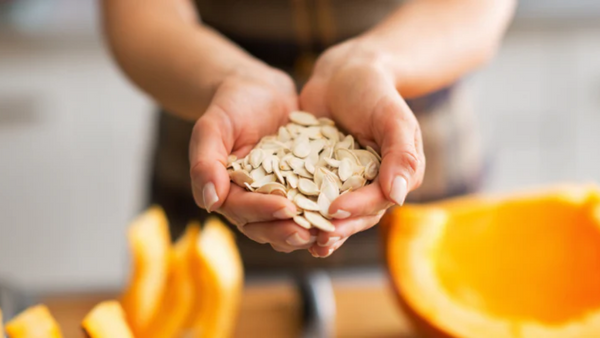
1. Pumpkin seeds
Did you know that pumpkin seeds contain powerful antioxidants that protect the body and brain from free radical damage? [1] They are also an excellent source of magnesium, iron, zinc and copper. [2]
Each of these nutrients is important for brain health:
Zinc : This element is crucial for nerve signaling. Zinc deficiency is associated with many neurological diseases, including Alzheimer's, depression and Parkinson's. [3]
Magnesium : Magnesium is essential for learning and memory. Low magnesium levels are associated with some neurological disorders, including migraines, depression and epilepsy. [4]
Copper : Your brain uses copper to help control nerve signals. When copper levels become unbalanced, your risk of neurodegenerative diseases, such as Alzheimer's, increases. [5]
Iron : Iron deficiency is often characterized by brain fog and impaired brain function. [6]
Research focuses primarily on these micronutrients and not on the pumpkin seeds themselves.
However, since pumpkin seeds are rich in these micronutrients, you can very likely reap their benefits as a brain food if you add pumpkin seeds to your diet.
2. Berries
Many berries contain flavonoid antioxidants, making them a good choice as a brain food. Antioxidants help by reducing inflammation and oxidative stress. Antioxidants in berries include anthocyanin, caffeic acid, catechin and quercetin.
Results from a 2014 study found that the antioxidant compounds in berries have many beneficial effects on the brain and body, including: [7]
Improving communication between brain cells
Reducing inflammation throughout the body
Increasing plasticity, which helps brain cells form new connections that in turn promote learning and memory
The reduction or delay of age-related neurodegenerative diseases and cognitive decline
Recommended berries that are rich in antioxidants and can promote brain health include strawberries, blackberries, blueberries, blackcurrants and mulberries.
3. Nuts and seeds
Eating more nuts and seeds is not only good for the brain, as these foods contain omega-3 fatty acids and antioxidants .
One study found that higher consumption of nuts was associated with better brain function in old age. [8]
Nuts and seeds are also rich sources of the antioxidant vitamin E, which protects cells from oxidative stress caused by free radicals. [9] As we age, the brain can be exposed to this form of oxidative stress, which is why vitamin E may support its health as we age.
Another research result showed that vitamin E may also contribute to improved cognition and a reduced risk of Alzheimer's disease. [10]
A little tip: These nuts and seeds have some of the highest amounts of vitamin E:
Sunflower seeds
Almonds
Hazelnuts
However, further research is needed to fully understand the effects of vitamin E on the brain.
4. Fatty fish
Fatty fish is a good source of omega-3 fatty acids , which help build the membranes that surround every cell in the body, including brain cells. They can therefore improve the structure of brain cells, called neurons. [11]
An American study found that people with high levels of omega-3 fatty acids had increased blood flow to the brain. The researchers also found a link between omega-3 levels in the body and better cognition or thinking ability. [12]
Other studies focusing on children also found that those who ate fish more frequently had a better night's sleep, which translated into higher energy levels the following day. [13]
These results suggest that consuming brain food rich in omega-3 fatty acids may impact brain performance.
Fish rich in omega-3 fatty acids include
Salmon
mackerel
tuna
herring
Sardines
5. Turmeric
This deep yellow spice is a main ingredient in curry powder and has a number of benefits for the brain. Curcumin , the active ingredient in turmeric, has been shown to cross the blood-brain barrier.
This means that it can penetrate directly into the brain and support the cells located there. [14]
Curcumin is a powerful antioxidant and anti-inflammatory compound that has been linked to the following brain benefits:
Memory : In one study, people with Alzheimer's disease who consumed curcumin improved their memory and reduced amyloid plaques, which are thought to be the cause of the disease. [15]
Depression : Studies suggest that curcumin can increase serotonin and dopamine, two neurotransmitters in the brain that are important for our mood. In one study, curcumin improved symptoms of depression as much as an antidepressant over six weeks. [16]
Brain cells : In one study, curcumin increased levels of brain-derived neurotrophic factor (BDNF), a protein that helps delay age-related mental decline. However, more research is needed. [17]
6. Coffee
Coffee is a well-known concentration aid - many drink it to stay awake and focus better. The caffeine in coffee blocks a substance in the brain called adenosine, which makes you feel sleepy. [18]
In addition to increasing alertness, a 2018 study suggests that caffeine may also increase the brain's capacity to process information. [19]
The researchers found that caffeine causes an increase in brain entropy - complex and variable brain activity. When the level of entropy is high, the brain can process more information. [20]
Coffee is also a source of antioxidants that may support brain health in old age. One study has linked lifelong coffee consumption with a reduced risk of [21]
cognitive decline
stroke
Parkinson's disease
Alzheimer's disease
associated with.
So caffeine is indeed a brain food, but it can affect a person's sleep. That's why you should not consume coffee in the evening.
7. Dark chocolate
It also cannot be missing from our list: dark chocolate! It contains cocoa, which in turn contains flavonoids - a type of antioxidant.
Antioxidants are especially important for brain health because it is highly vulnerable to oxidative stress, which contributes to age-related cognitive decline and brain disease.
Cocoa flavonoids appear to be good for the brain. Studies have concluded that they can promote the growth of neurons and blood vessels in parts of the brain involved in memory and learning. They can also stimulate blood flow in the brain. [22]
Further research also suggests that the flavonoid component of chocolate can reverse memory problems in snails, but scientists have not yet tested this in humans. [23]
In another study, researchers used imaging techniques to examine brain activity after participants ate chocolate containing at least 70 percent cocoa. [24]
They concluded that consuming this type of dark chocolate could, among other things, improve brain plasticity, which is crucial for learning.
8. Avocado
Avocados are a source of healthy fatty acids and may support the brain. Consumption of monounsaturated fats may lower blood pressure, and high blood pressure is linked to cognitive decline. [25]
Additionally, research shows that the lutein (a carotenoid) provided by avocados can improve thinking ability. [26]
In general, avocados are associated with better overall health in people who eat them. Research suggests that those who consume the fatty food have better overall diet quality, higher nutrient intake, and a lower risk of metabolic syndrome. [27]
Of course, there are other sources of healthy unsaturated fats:
Almonds, cashews and peanuts
Flaxseed and chia seeds
Walnuts and Brazil nuts
Fish
9. Broccoli
Broccoli is not only a low-calorie source of fiber, but can also be good for the brain - a real brain food. The vegetable is rich in compounds called glucosinolates. When the body breaks these down, isothiocyanates are formed.
Isothiocyanates can reduce oxidative stress and reduce the risk of neurodegenerative diseases. [28]
Broccoli also contains vitamin C and flavonoids, and these antioxidants may also promote brain health.
Here are a few more cruciferous vegetables for you that contain glucosinolates:
Brussels sprouts
Chinese leaf cabbage (Pak Choi)
Cabbage
Cauliflower
Swedes
Kale
Conclusion: Not only the eyes eat, but also the brain!
Brain food is a subcategory of so-called functional food, which is intended to improve certain processes in the body or brain through its nutritional properties.
The foods listed above provide many nutrients the brain needs for optimal function, such as healthy fatty acids, which are necessary for the structure of brain cells.
If you want to improve your brain function, in addition to adjusting your diet and consuming brain food, you should also pay attention to regular exercise, enough sleep, stress reduction and reducing harmful substances such as nicotine or alcohol.
Because a well-functioning brain is the key to a happy lifestyle.
As promised, you will find a 5% voucher for our Omega-3 and Turmeric here.
Simply copy the voucher code BRAIN+V5 and enter it at checkout.
To the shop
[1] https://pubmed.ncbi.nlm.nih.gov/23561092/
[2] https://nutritiondata.self.com/facts/nut-and-seed-products/3066/2
[3] https://pubmed.ncbi.nlm.nih.gov/25659970/
[4] https://pubmed.ncbi.nlm.nih.gov/25540137/
[5] https://pubmed.ncbi.nlm.nih.gov/25071552/
[6] https://pubmed.ncbi.nlm.nih.gov/22639188/
[7] https://www.ncbi.nlm.nih.gov/pmc/articles/PMC4192974/
[8] https://www.ncbi.nlm.nih.gov/pmc/articles/PMC4105147/
[9] https://pubmed.ncbi.nlm.nih.gov/15753140/
[10] https://www.ncbi.nlm.nih.gov/pmc/articles/PMC4276978/
[11] https://pubmed.ncbi.nlm.nih.gov/12416014/
[12] https://pubmed.ncbi.nlm.nih.gov/28527220/
[13] https://www.nature.com/articles/s41598-017-17520-w?utm_medium=affiliate&utm_source=commission_junction&utm_campaign=3_nsn6445_deeplink_PID100090071&utm_content=deeplink
[14] https://www.ncbi.nlm.nih.gov/pmc/articles/PMC2781139/
[15] https://pubmed.ncbi.nlm.nih.gov/16988474/
[16] https://pubmed.ncbi.nlm.nih.gov/23832433/
[17] https://journals.plos.org/plosone/article?id=10.1371/journal.pone.0031211
[18] https://pubmed.ncbi.nlm.nih.gov/25175972/
[19] https://www.ncbi.nlm.nih.gov/pmc/articles/PMC5807546/
[20] https://www.nature.com/articles/s41598-018-21008-6
[21] https://pubmed.ncbi.nlm.nih.gov/26677204/
[22] https://www.ncbi.nlm.nih.gov/pmc/articles/PMC3575938/
[23] https://journals.biologists.com/jeb/article/219/6/816/16698/A-flavanoid-component-of-chocolate-quickly
[24] https://faseb.onlinelibrary.wiley.com/doi/abs/10.1096/fasebj.2018.32.1_supplement.878.10
[25] https://www.ncbi.nlm.nih.gov/pmc/articles/PMC4109685/
[26] https://www.ncbi.nlm.nih.gov/pmc/articles/PMC3545982/
[27] https://www.ncbi.nlm.nih.gov/pmc/articles/PMC3545982/
[28] https://pubmed.ncbi.nlm.nih.gov/26254971/

Gut health: The foundation for good health
In everyday life, very few people really think about their intestines. Its smooth functioning is assumed, and occasional problems are either ignored or simply accepted. Disorders or diseases of this sophisticated organ have an impact on the entire body - even on the brain. We have We have put together a small guide that explains important things about the topic and gives you tips on how to stay healthy in the long term.
IT'S WORTH READING!
AT THE END OF THE ARTICLE WE WOULD LIKE TO GIVE YOU A LITTLE JOY WITH A VOUCHER!
That's why your gut health is so important
Gone are the days when the intestine was thought to be a simple tube through which our food passes. Today we know that the intestine is an incredibly complex structure, and its health - including that of the approximately 100 trillion germs that live in it - affects the rest of our body. [1]
It is now also considered proven that there are connections between intestinal health and our immune system, our mental health and even autoimmune diseases. [2]
In connection with the intestine, you often read and hear the terms “intestinal flora”, “microbiome” or “microbiota”. In the case of the intestine, they all refer to the complex ecosystem of bacteria, fungi and other microorganisms that populate it. Without them and the mutual relationship with our body, the intestine would probably be as useful for nutrient absorption as a garden hose. [3]
Unfortunately, our modern life, especially the way we eat, poses a threat to a healthy and intact intestinal flora. Lack of sleep, stress, industrially processed foods, sugar consumption or antibiotics - not only do our intestines have to fight these things, but the possible damage to the brain, immune system, heart and other organs also pose a potential danger.
But how do you know if there is something wrong with your gut?
These signs may indicate a disturbed intestine
According to the Professional Association of German Internists (BDI), patients suffering from intestinal diseases often show the following symptoms: [4]
Cramps and pain in the entire abdominal area
Slimy, sometimes bloody stool with flatulence
Diarrhea, constipation or other stool irregularities
The reasons for this are varied, as are the manifestations. For example, the following diseases can be the cause of the symptoms mentioned above:
Crohn's disease. A chronic inflammation that affects the gastrointestinal tract and occurs in bouts. Typical symptoms include severe diarrhea and abdominal pain. [5]
Ulcerative colitis. A chronic inflammation of the large intestine, indicated by mucous diarrhea. This is often accompanied by pain in the left upper abdomen. [6]
Celiac disease. This intolerance of the gluten and gliadin proteins found in grains causes inflammatory reactions as well as severe abdominal pain. [7]
The term irritable bowel syndrome describes a functional disorder of the digestive tract with accompanying flatulence, abdominal pain and diarrhea or constipation. The cause is believed to be psychological problems or poor nutrition. [8]
An intestinal infection. Diarrhea and vomiting often indicate an intestinal infection. The triggers can be parasites or viruses, for example. In this case, it is often referred to as gastrointestinal flu.
In addition to the diseases mentioned above, there are a number of others that can affect the digestive tract, such as intestinal parasites, diverticula, inflammation of the appendix, leaky gut syndrome, and even colon cancer. [9]
And did you know? Sleep disorders or insomnia can also be signs of a disturbed microbiome. The reason: intestinal bacteria are an important component in the synthesis of the amino acid L-tryptophan . And this in turn is a basic building block of the hormone serotonin, the so-called "happiness hormone", which is important as a neurotransmitter for healthy sleep, for example. [10]
If you have problems with your intestines, you should definitely see a doctor to rule out serious illnesses.
But what can you do to keep your gut healthy?
Simple ways to achieve intestinal health
Aside from medication or therapy, there are things you can do yourself to maintain the health of your intestines or to support possible treatments.
1. Eat slowly
“Don't gobble so much, nobody's going to take anything away from you!” - Many of us have heard this sentence since childhood. In fact, it is sensible and good advice for a number of reasons. As far as the intestines are concerned, eating slowly and chewing thoroughly promotes digestion, because with well-chewed food the stomach has less work to do, and nutrient absorption is improved. [11]
2. Get enough sleep
Put your cell phone away, get off the couch, and go to bed - if you don't get enough sleep, it will affect your bowels. And bowel problems can lead to poorer sleep, as we explained above. Pay attention to your sleep hygiene too.
4. Drink plenty
The easiest way to maintain intestinal health is to drink. By this we don't mean alcohol, as that can be harmful. Water is the magic word. In sufficient quantities, it has a positive effect on the intestinal mucosa and promotes the balance between "good" and "bad" bacteria. [12]
5. Reduce stress levels
Stress in itself is not a bad thing. But if it becomes chronic, it puts a strain on the whole body. This of course includes the intestines. If you have a stress problem, you can try meditation, going for walks, drinking less caffeine or getting a pet. [13]
6. Change your diet
Processed, over-sugared foods are bad for the gut. But what is it that we see on every supermarket shelf? Exactly: processed, over-sugared foods! You should therefore always make sure that you don't fall into the trap and instead eat in a healthy way. Natural foods and a diet rich in fiber work wonders for your gut microbiome. [14]
And since we're talking about food: Which foods are particularly good for the intestines?
Which foods support your intestinal health?
The German philosopher Ludwig Feuerbach once said casually, "Man is what he eats." He hit the nail on the head. In general, a diet consisting of a variety of foods can lead to a diverse and robust microbiota. [15]
1. High-fiber foods
Fiber-rich foods - mainly plant-based - that the intestines cannot fully utilize are called dietary fiber. Their advantage: They thicken the food pulp in the stomach, allow the blood sugar level to rise more slowly after eating, and ensure that the stool is removed more quickly. [16]
They are found, for example, in wholemeal pasta, wholemeal rye bread, sweet potatoes, berries, dark chocolate or nuts. [17]
2. Fermented foods
Fermentation means the conversion of organic substances into alcohol, gases or acids with the help of enzymes, for example. During fermentation, probiotic processes are stimulated that have a positive effect on your intestinal microbiome.
A 2005 study by the University of Dundee showed that probiotics can promote the growth of many healthy bacteria, including bifidobacteria, which live in the intestines and keep harmful bacteria and other pathogens in check. [18]
Sauerkraut, pickles, kombucha or yogurt are just some of the foods you should include in your diet. They last longer, offer a variety of flavors and are good for your gut. [19]
3. Collagen-rich foods
The amino acids glycine, proline and hydroxyproline are important for repairing and rebuilding the intestinal flora. They are all contained in collagen .
A study published in 2017 in the Food & Function Journal of the Royal Society of Chemistry shows that the peptides contained in collagen can improve nutrient absorption in the intestine and help strengthen the intestinal barrier. [20]
You can get collagen through bone broth, gelatin or through collagen-containing supplements.
4. Foods with polyphenols
They are said to have many health benefits and have a positive effect on inflammation, blood pressure, cholesterol levels and oxidative stress: polyphenols . These are secondary plant substances that can be found in the outer layers of fruits, grains and vegetables, among other things. [21]
According to an article in the German Medical Journal, all available data indicate that “polyphenols promote protective bacteria in the microbiota and strengthen the intestinal barrier.” [22]
Foods that contain a lot of polyphenols include dark chocolate, cloves, dark wild berries, vegetables, coffee or black tea.
The intestine: Little noticed in everyday life, but still incredibly important
Your gut and its bacteria are important for many aspects of your health. Studies show that a disturbed microbiota can lead to numerous diseases and even affect our brain and mood.
The best way to maintain healthy gut flora is to follow simple rules, such as eating a range of fresh, whole foods such as vegetables, fruits, nuts and seeds, fish and high-quality meat.
AS PROMISED, YOU WILL RECEIVE A 5% VOUCHER ON OUR COLLAGEN .
SIMPLY COPY THE CODE KOLLAGEN+V5 AND ENTER IT AT CHECKOUT.
Click here to shop
[1] https://www.deutsche-apotheker-zeitung.de/news/artikel/2019/01/01/das-microbiom-und-die-darmflora
[2] https://pubmed.ncbi.nlm.nih.gov/15940144/
[3] https://www.ncbi.nlm.nih.gov/pmc/articles/PMC4290017/
[4] https://www.internisten-im-netz.de/fachbereich/magen-darm/haeufige-krankenen.html
[5] https://www.internisten-im-netz.de/krankenen/morbus-crohn/morbus-crohn-ursachen-unternehmen.html
[6] https://www.competencenetz-darmkrankenen.de/colitis-ulcerosa
[7] https://www.dgvs.de/wissen/leitlinien/leitlinien-dgvs/zoeliakie/
[8] https://www.apotheken-umschau.de/kranken-symptome/magen-und-darm Diseases/reizdarmsyndrom-was-steckt-dahinter-734665.html
[9] https://www.netdoktor.de/krankenen/darmkranken/
[10] https://pubmed.ncbi.nlm.nih.gov/12531142/
[11] https://pubmed.ncbi.nlm.nih.gov/26188140/
[12] https://www.ncbi.nlm.nih.gov/pmc/articles/PMC2908954/
[13] https://www.internisten-im-netz.de/fachfelder/psyche-koerper/psyche-verdauungssystem.html
[14] https://pubmed.ncbi.nlm.nih.gov/29902436/
[15] https://pubmed.ncbi.nlm.nih.gov/27110483/
[16] https://landeszentrum-bw.de/,Lde/Startseite/wissen/Ballaststoffe
[17] https://www.dge-sh.de/ballaststofflohn.html
[18] https://pubmed.ncbi.nlm.nih.gov/15647189/
[19] https://pubmed.ncbi.nlm.nih.gov/25209713/
[20] https://pubmed.ncbi.nlm.nih.gov/28174772/
[21] https://www.bzfe.de/ernaehrung/ernaehrungswissen/essen-und-wissen/sekundaere-pflanzenstoffe/
[22] https://www.aerzteblatt.de/archiv/186107/Microbiom-und-intestinale-Gesundheit-eine-hohe-Diversitaet-von-Darmbacterialen-ist-guenstig
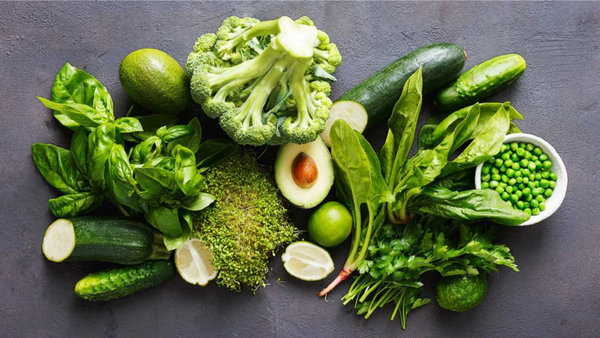
Brain food: These nutrients keep your grey cells fit
When we are on edge, we often reach for sweets. But unfortunately, the chocolate bar you see in an advert is not the right thing for you at such a moment. But which foods are suitable if you want to do something good for your nerves? Here you can find out which foods are good for your nerves.
There is a gift waiting for you at the end of the article.
It’s worth reading on!
You are what you eat!
Our nervous system - and our brain too - is a fascinating thing that in some ways can be beyond our imagination. Would you like an example? If you were to lay all the nerve fibers of the adult body together, they would be between 580,000 and 780,000 kilometers long - 145 times around the earth or the distance to the moon and back. [1]
As a control center with its own network throughout the body, the brain and nerves are responsible, among other things, for ensuring that the lungs breathe, the heart beats, that we move, that we can think and feel. So it's no wonder that the brain and nerves should be kept healthy, functional and happy with good nutrients.
Because certain foods not only maintain this current state of health, but can under certain circumstances even improve our concentration, memory and mental performance, we should take a closer look at them.
What is nerve food?
The term "brain food" is not a medical term, but is often used in everyday life. It is actually self-explanatory: it usually refers to foods and nutrients that have a positive effect on our brain and also on our nerves. The best prerequisite for this is, of course, a healthy, balanced diet that can be maintained over the long term.
If we lack the nutrients that our body needs, we may react in an unbalanced manner, become easily irritable, are constantly exhausted or show other symptoms of deficiency. This is where vitamins, minerals and trace elements come into play. They are all important for the brain and nerves and counteract the deficiencies mentioned.
And because it's not about the quick availability of sugar, but about a long-term basis of healthy nutrients, there's no reason to quickly reach for a chocolate bar.
Which nutrients our nerves need
Here we have a summary for you that shows you all the important nutrients and their function in relation to the brain and nerves.
Proteins
Proteins consisting of amino acids, for example, provide structure and support to cells as signaling molecules. They are also involved in various biochemical reactions.
Vitamin B1
Vitamin B1 is important for the energy supply of nerve cells and the production of nucleic and fatty acids. [2]
Vitamin B2
Riboflavin protects the myelin layer of cells and protects them from oxidative stress. [3]
Vitamin B3 (niacin)
Vitamin B3 is important for energy metabolism and for the repair of damaged nerve cells. [4]
Vitamin B5 (pantothenic acid)
Vitamin B5 is involved in fat and protein metabolism and is needed for the production of energy in the cells. [5]
Vitamin B6
Vitamin B6 is needed to produce various neurotransmitters, such as adrenaline, dopamine, serotonin and gamma-aminobutyric acid - GABA for short. [6]
Vitamin B7 (biotin)
Important for protein synthesis and energy production in cells. [7]
Vitamin B12
Vitamin B12 is important for the regeneration of nerve fibers and the functioning of the nervous system. [8]
Because B vitamins are so important for the nerves, they are also known as “nerve vitamins.” In the article about B vitamins , you will learn what else this group of vitamins can do.
Vitamin C
Vitamin C protects nerve cells from oxidative stress and thus promotes their regeneration. [9]
Vitamin E
Similar to vitamin C, vitamin E protects nerve cells from oxidative damage and inhibits nerve pain. [10]
Minerals
Minerals such as iron, calcium , magnesium , copper , potassium , manganese, zinc , iodine and selenium support nerve functions in many ways. These include, for example, protection against oxidative stress, maintaining a healthy psyche, signal transmission between nerve cells and reducing fatigue.
Omega-3 fatty acids
As a component of nerve cell membranes, omega-3 fatty acids have important structural functions and promote the connection and formation of new nerve cells. [11]
These are nerve-strengthening foods
After taking a look at the different substances that are good for the brain and nerves, the question remains: what to eat?
We have listed nine foods for you that are rich in these nutrients.
1. Fatty fish
You might not immediately associate fatty fish with comfort food. But sardines, salmon and mackerel in particular are very rich in valuable omega-3 fatty acids.
A study published in the Journal of Biomedical Science shows that our brain depends on omega-3 fatty acids to build cells and that they are partly responsible for memory and learning. [12]
2. Coffee
Coffee? Good for the nerves? In fact, coffee contains not only caffeine but also antioxidants - both substances support the brain.
For example, a 2008 study showed that caffeine could, among other things, boost the production of neurotransmitters such as serotonin. [13]
Another study, published in the journal Practical Neurology , found a link between long-term coffee consumption and a reduced risk of neurological diseases such as Parkinson's and Alzheimer's. [14]
3. Blueberries
These fruits are a source of anthocyanins, a group of plant substances with anti-inflammatory and antioxidant effects, and according to a 2014 study, have a positive effect on neurodegenerative diseases. [15]
An animal study published in the Journal of Agricultural and Food Chemistry even linked blueberry consumption to improved memory and a delay in short-term memory loss. [16]
4. Broccoli
When it comes to healthy eating, broccoli is always included. No wonder - it is rich in many good nutrients, such as vitamin K , of which it provides more than 100 percent of the recommended daily allowance in a portion of around 91 grams.
Vitamin K - a fat-soluble vitamin - is important for the formation of so-called sphingolipids. These are important components of the cell membrane, of course also in the brain. [17]
5. Dark chocolate
This is the closest you'll get to chocolate as comfort food. Unlike their overly sweet cousins on the supermarket shelf, cocoa powder and dark chocolate are packed with flavonoids, antioxidants and caffeine. [18]
A study published in the scientific journal Neuroscience & Biobehavioral Reviews suggests that the flavonoids found in dark chocolate may improve memory and also help slow age-related mental decline. [19]
6. Nuts
You're probably familiar with trail mix and its reputation as comfort food. This is due in no small part to the nuts that are present in abundance in every portion.
A review, first published in The American Journal of Clinical Nutrition , seems to confirm just that: nuts are said to improve our cognitive abilities and even help prevent neurodegenerative diseases. [20]
Another study from 2014 found that women who ate nuts regularly over a long period of time - several years - had sharper memories compared to those who did not eat nuts. [21]
7. Oranges
Eating adequate amounts of foods rich in vitamin C may protect against age-related mental decline and Alzheimer's disease, according to a 2014 review article. [22]
Vitamin C is a powerful antioxidant that helps fight off free radicals that can damage brain cells. Additionally, vitamin C supports brain health as we age. [23]
8. Eggs
Eggs are a good source of nutrients for… pretty much everything. And that's no wonder, considering what they are and what they actually do.
In addition to vitamins such as vitamin B6 and vitamin B12, they also contain large amounts of folate and choline. Choline is an important micronutrient that the body uses to create acetylcholine, which is a neurotransmitter that helps regulate moods and memory. [24]
A study published in the journal Nutrients links deficiency of two types of B vitamins - folic acid and B12 - to depressive disorders. [25]
9. Green tea
Like coffee, the caffeine in green tea promotes brain function. In fact, it has been found to improve performance, memory, and concentration. [26]
But green tea also has other components that make it a healthy drink for the nerves and brain. One of them is L-theanine, an amino acid that can cross the blood-brain barrier and increases the activity of the neurotransmitter GABA, which helps reduce anxiety and makes you feel more relaxed. [27]
Conclusion: Healthy nutrition creates strong nerves
There are a number of foods that can help keep your nerves and brain healthy.
Some of the foods on this list, such as fruits, vegetables, tea and coffee, contain antioxidants that can protect the brain from damage.
Others, like nuts and eggs, contain nutrients that support memory and brain development.
You can support your nerve and brain health, as well as boost your attention, memory and mood, by strategically incorporating these foods into your diet.
As promised, you will find a 5% voucher for the following products:
Vitamin B Complex , Vitamin B Complex Forte , Vitamin C , Calcium , Potassium ,Magnesium , Essential 4-daily , Omega-3 , Iodine from organic kelp , Zinc & Copper , Zinc drops , Selenium drops , Selenium tablets
Simply copy the voucher code NERVEN+V5 and enter it at checkout.
To the shop
[1] https://www.spektrum.de/quiz/welche-laenge-wuerden-die-nervenfibrillen-eines-erwachsenen-erreichen-wuerde-man-sie-alle-aneinander-kn/583154
[2] https://pubmed.ncbi.nlm.nih.gov/939994/
[3] https://www.lebensmittelverband.de/de/lebensmittel/futterrgaenzmittel/futterrgaenzung-naehrstoffe/nem-vitamin-b2
[4] https://www.neurologen-und-psychiater-im-netz.org/neurologie/news-archiv/melde/article/parkinson-vitamin-b3-hat-positive-effekt-auf-geschaedigte-nervenzellen/
[5] https://www.deutsche-apotheker-zeitung.de/daz-az/2008/daz-28-2008/pantothensaeure-bring-energie
[6] https://pubmed.ncbi.nlm.nih.gov/29685187/
[7] https://www.ncbi.nlm.nih.gov/pmc/articles/PMC1168035/
[8] https://landeszentrum-bw.de/,Lde/Startseite/wissen/Vitamin+B12
[9] https://www.frontiersin.org/articles/10.3389/fncel.2019.00108/full
[10] https://www.nervenschrei-ratgeber.de/tipps/nervenschrei-durch-vitaminlack-infos-treatment/
[11] https://www.der-arzneimittelbrief.de/de/artikel.aspx?SN=6638
[12] https://jbiomedsci.biomedcentral.com/articles/10.1186/s12929-016-0241-8
[13] https://onlinelibrary.wiley.com/doi/abs/10.1111/j.1467-3010.2007.00665.x
[14] https://pn.bmj.com/content/16/2/89
[15] https://www.ncbi.nlm.nih.gov/pmc/articles/PMC4192974/
[16] https://pubs.acs.org/doi/10.1021/jf9029332
[17] https://academic.oup.com/advances/article/3/2/204/4557944?searchresult=1
[18] https://core.ac.uk/download/11592331.pdf
[19] https://pubmed.ncbi.nlm.nih.gov/23810791/
[20] https://academic.oup.com/ajcn/article/100/suppl_1/347S/4576446?searchresult=1
[21] https://www.ncbi.nlm.nih.gov/pmc/articles/PMC4105147/
[22] https://www.ncbi.nlm.nih.gov/pmc/articles/PMC3727637/
[23] https://pubmed.ncbi.nlm.nih.gov/25244370/
[24] https://www.spektrum.de/lexikon/neuroscience/acetylcholine/69
[25] https://www.mdpi.com/2072-6643/8/2/68
[26] https://pubmed.ncbi.nlm.nih.gov/28056735/
[27] https://pubmed.ncbi.nlm.nih.gov/17182482/
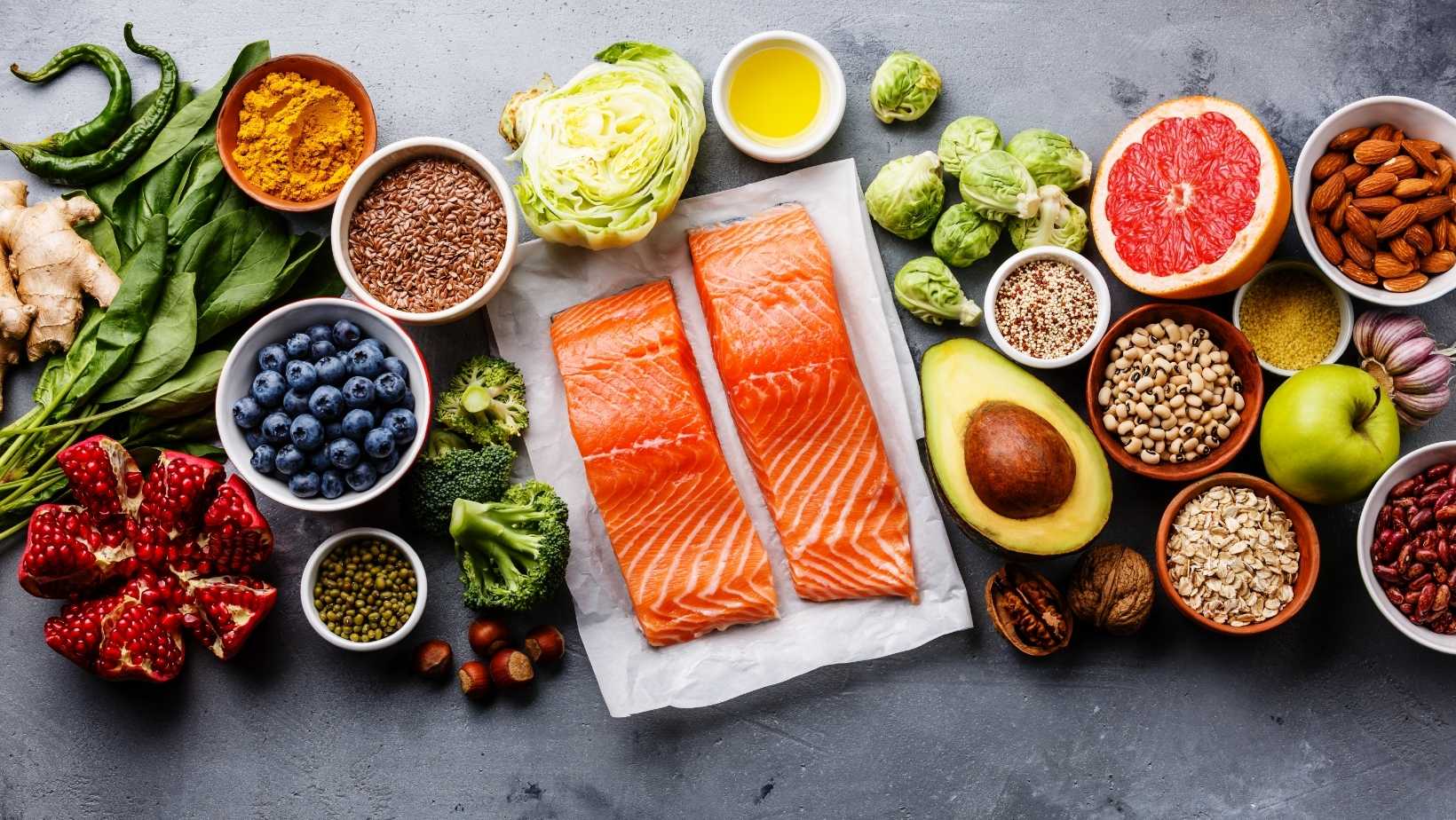
Anti-inflammatory foods: Become a better eater
“If you eat X every day, you will live to be 150 years old!” “This food works wonderfully against EVERYTHING!” Even if such sensational headlines do not really reflect the truth, food does have a direct influence on our well-being. Especially in the case of inflammation. We explain in detail what you need to know about inflammation and show you a selection of natural foods that can support your health.
IT'S WORTH READING!
AT THE END OF THE ARTICLE WE WOULD LIKE TO GIVE YOU A LITTLE JOY WITH A VOUCHER!
What are inflammations actually?
Inflammations (from the Latin inflammatio ) are not inherently a bad thing. Originally, they were intended to help the body fight diseases. They protect it from damage and in most cases they are a necessary part of the healing process. Inflammation is therefore a reaction of the body's own defense system to a stimulus, such as invading pathogens or a minor injury. [1]
Inflammation is not usually maintained by the body forever. Because once the cause of the inflammation is no longer present, the body switches off its defense program and the state of health returns to normal.
However, inflammation can also become chronic. In this case, inflammatory reactions occur even though there is no acute threat. Chronic inflammation harms the entire body and increases the risk of many diseases, such as type 2 diabetes, autoimmune diseases and cancer.
If you want to know if you are suffering from inflammation, look for the five main symptoms: swelling, pain, overheating, redness and impaired function.
What are natural anti-inflammatories?
There are foods you can eat that can reduce the risk of inflammation. Of course, they do not eliminate the need for medical treatment or medication, but they can also help reduce inflammation.
And of course, an anti-inflammatory diet rich in essential nutrients is, without question, generally healthy.
An anti-inflammatory diet focuses on eating lots of fruit and vegetables, foods with omega-3 fatty acids , whole grain products, high-quality protein, healthy fats and spices. It is also important to consume vitamins such as vitamin K and trace elements such as selenium .
Many plant foods are good sources of antioxidants , which help minimize the number of free radicals in the body. These can cause cell damage. This damage, in turn, often increases the risk of inflammation and paves the way for other diseases.
Inflammation also plays a role in cardiovascular disease. However, the right diet can help. For example, a Mediterranean diet, which focuses on plant-based foods and healthy fats, is said to reduce the effects of inflammation on the cardiovascular system, according to a study in the journal PLOS ONE . [2]
So is a change in lifestyle, especially when it comes to food and drink, the answer to a life free of inflammation?
What is an anti-inflammatory diet?
An anti-inflammatory diet can serve as a complementary therapy for many diseases that are exacerbated by chronic inflammation, such as psoriasis, asthma, Crohn's disease, rheumatoid arthritis, and metabolic syndrome.
To stay with the example of metabolic syndrome, this disorder refers to a collection of conditions that often occur together, including type 2 diabetes, obesity, high blood pressure and cardiovascular disease. [3]
According to science, inflammation plays a crucial role in all of these diseases. This also means that reducing inflammation could reduce the risk of these diseases.
Let's look at a selection of foods that could help us fight inflammation.
10 natural foods that have anti-inflammatory effects
How do you know which foods are best for you when you have inflammation?
Here we have selected a few foods for you that are said to have particularly anti-inflammatory properties:
1. Berries
These small fruits are packed with fiber, vitamins, and trace elements such as zinc . There are many different types of berries around the world, all of which contain what are known as anthocyanins, antioxidants that can reduce inflammation in the body, as shown by a study in the Journal of Agricultural and Food Chemistry . [4] In our country, you will often find strawberries, raspberries, blueberries, and blackberries.
Another study that looked at the natural production of killer cells - so-called NK cells, which ensure the proper functioning of the immune system - showed that the bodies of subjects who ate blueberries daily produced more of these cells. [5]
2. Dark chocolate
Dark chocolate: Tastes good and also contains valuable things, including antioxidants and essential trace elements such as copper or manganese . This was shown by a study in the journal Nutrients . [6]
The substances in dark chocolate responsible for the anti-inflammatory effect are called flavanols, the secondary plant substances of the cocoa bean. In a study from 2005 with the long title Acute consumption of flavanol-rich cocoa and the reversal of endothelial dysfunction in smokers , smokers showed improvements in the function of the endothelium, the layer of cells that lines lymph and blood vessels, among other things, within two hours of eating chocolate with a high flavanol content. [7]
3. Turmeric
You may know turmeric from curries and other Indian recipes or the famous “golden milk”. This spice contains curcumin, which is said to have anti-inflammatory properties.
Curcumin is said to have many miraculous and healthy properties, not all of which may be true. However, a study published in the journal Advances in Experimental Medicine and Biology shows that turmeric may reduce inflammation associated with arthritis, diabetes, and other diseases. [8]
4. Fatty fish
You probably already know that fish is healthy and a good source of omega-3 fatty acids . [9]
But did you know that the unsaturated fatty acids DHA (docosahexaenoic acid) and EPA (eicosapentaenoic acid) it contains may reduce inflammation that occurs as a result of metabolic syndrome, diabetes, and heart or kidney disease? At least that's what a study published in the journal Prostaglandins & Other Lipid Mediators suggested. [10]
In another study from 2011, consumption of salmon or supplements containing DHA or EPA appeared to result in a reduction in various inflammatory markers in the body. [11]
5. Green tea
Fancy a cup of tea? If so, make sure it's green tea, which can reduce the risk of obesity, Alzheimer's disease, heart disease, and even cancer, according to a literature review presented in the journal Chinese Medicine in 2011. [12]
Its antioxidant properties are based on various secondary plant substances, the catechins, which not only reduce inflammation but also damage to fatty acids in the cells. This was shown by a study from 2007. [13]
6. Avocado
Avocados are on everyone's lips. Literally. Because these berries, which are very popular in our country, are packed with potassium , magnesium and fiber. They also contain tocopherols and carotenoids, which, according to a study published in the Journal of Agricultural and Food Chemistry, are associated with a reduced risk of cancer. [14]
7. Grapes
Grapes contain anti-inflammatory anthocyanins and are also a good source of resveratrol and oligomeric proanthocyanidins (OPC) – compounds that are believed to be able to reduce the inflammatory marker NF-kB. [15]
8. Peppers
The vegetable from the nightshade family provides, among other things, the antioxidant quercetin. As a study presented in the American Journal of Clinical Nutrition in 2011 shows, it can reduce a marker for oxidative damage in people with sarcoidosis - an inflammatory disease. [16]
9. Tomatoes
Tomatoes contain a secondary plant substance called lycopene, which, along with alpha- and beta-carotene, is one of the most important carotenoids and appears to have impressive anti-inflammatory properties. [17]
10. Cherries
The popular stone fruits of the cherry tree are not only sweet and delicious, but also anti-inflammatory. This is suggested by a study published in the Journal of Nutrition in 2006. During the study, the subjects were given 280 grams of cherries every day for a period of one month. A decrease in the inflammation marker CRP was observed, which remained low even up to 28 days after the last portion of cherries had been consumed. [18]
Conclusion: Eat to stay healthy
The right diet can help reduce inflammation and lower the risk of chronic inflammatory diseases.
While there is no one-size-fits-all anti-inflammatory diet, a diet rich in fresh fruits and vegetables and healthy fats can help control inflammation.
AS PROMISED, YOU WILL RECEIVE A 5% VOUCHER ON THE FOLLOWING PRODUCTS:
Turmeric, Potassium, Magnesium, Zinc, Zinc & Copper, OPC, Omega-3, Krill Oil, Essential 4-Daily
SIMPLY COPY THE CODE BESSERESSER+V5 AND ENTER IT AT CHECKOUT.
Click here to shop
[1] https://www.apotheken.de/therapie/diagnoseverfahren/10332-was-ist-eine-entzuendung
[2] https://journals.plos.org/plosone/article?id=10.1371/journal.pone.0100084
[3] https://www.internisten-im-netz.de/unternehmen/metabolisches-syndrom/was-ist-ein-metabolisches-syndrom/
[4] https://pubs.acs.org/doi/10.1021/jf4044056
[5] https://pubmed.ncbi.nlm.nih.gov/22111516/
[6] https://www.mdpi.com/2072-6643/6/2/844
[7] https://pubmed.ncbi.nlm.nih.gov/16198843/
[8] https://pubmed.ncbi.nlm.nih.gov/17569207/
[9] https://www.gesundheitsforschung-bmbf.de/de/geistig-fit-mit-omega-3-fettsauren-und-resveratrol-8246.php
[10] https://pubmed.ncbi.nlm.nih.gov/22326554/
[11] https://www.tandfonline.com/doi/full/10.3109/00365513.2010.542484
[12] https://cmjournal.biomedcentral.com/articles/10.1186/1749-8546-5-13
[13] https://pubmed.ncbi.nlm.nih.gov/17584048/
[14] https://pubs.acs.org/doi/10.1021/jf901839h
[15] https://www.aerztezeitung.de/Medizin/Resveratrol-im-Rotwein-hemmt-Entzuendungen-236023.html
[16] https://www.clinicalnutritionjournal.com/article/S0261-5614(11)00026-4/fulltext
[17] https://www.dge.de/forschung/weitere-publikationen/fachinformationen/sekundaere-pflanzenstoffe-und-ihre-effekt/
[18] https://academic.oup.com/jn/article/136/4/981/4664335?searchresult=1
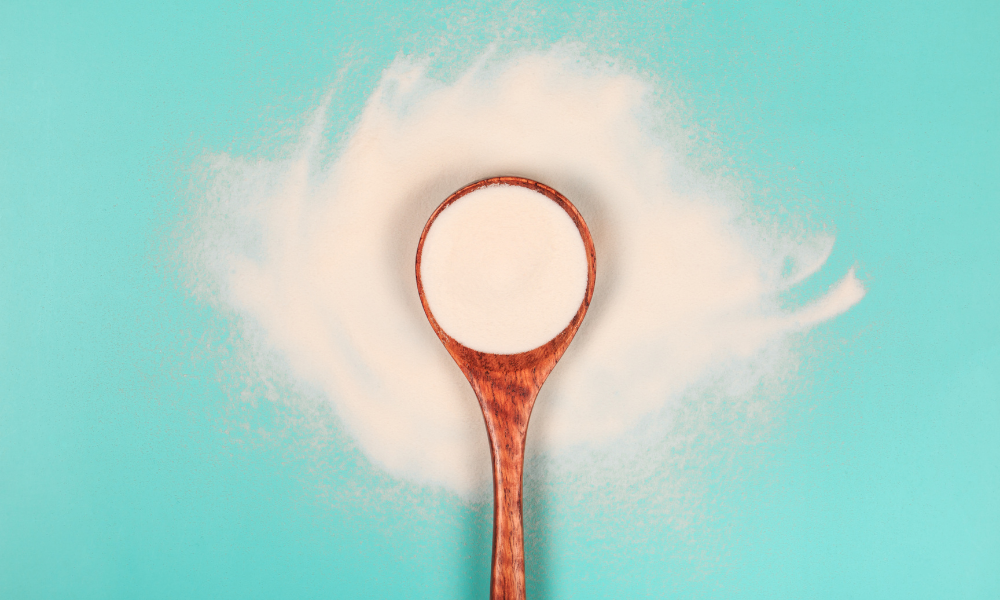
Collagen: The substance that holds your body together
Sausage casings and bandages for severe burns are made from it. For thousands of years it has been used to make glue and guitar strings are still made from it. What kind of miracle substance is this? Collagen! In this article we will show you how important this substance is for your body. is and what functions it fulfills.
IT'S WORTH READING!
AT THE END OF THE ARTICLE WE WOULD LIKE TO GIVE YOU A LITTLE JOY WITH A VOUCHER!
Collagen: What is it actually?
Collagen is a solid, insoluble, fibrous protein and one of the main building blocks of bones, skin, muscles, ligaments and tendons. But it is also found in many other parts of the body, including blood vessels, corneas and teeth.
Collagen forms a framework of so-called fibrils, which ensures the strength and elasticity of your skin, for example, but is also essential for blood clotting, for example. In short: it is the substance that holds your body together.
There are at least 16 different types of collagen, of which 80 to 90 percent belong to types I, II, III, and IV. These different types have a different structure and different functions. For example, type I collagen fibrils can be stretched particularly well and are also extremely tear-resistant.
Here is a brief overview of the four main types of collagen for you:
Type I. This type makes up 90% of the collagen in your body and is made up of tightly packed fibers. It provides the structure of skin, bones, tendons, connective tissue and teeth.
Type II. This collagen consists of loosely packed fibers and is found in the elastic cartilage that cushions your joints.
Type III. This type supports the structure of muscles, organs and arteries.
Type IV. This category helps with filtration and is found in the layers of your skin.
Unfortunately, as we age, our bodies produce less and poorer quality collagen, as a study published in the American Journal of Pathology showed.
In addition, collagen synthesis in women decreases dramatically, especially after menopause. One of the visible signs of this is the skin, which becomes less firm and supple. Cartilage mass also weakens with age.
As clearly described on the Fibroblasts: Cell Culture and Transfection Protocol page, collagen forms a fibrous network of cells (fibroblasts) in the middle layer of the skin, the dermis, on which more and more new cells can grow.
In addition to replacing and restoring dead skin cells, some collagens also serve as a protective covering for delicate organs in the body, such as the kidneys.
If you want to know which foods contain collagen and how you can counteract a loss of the protein, then read on...
Foods containing collagen
Collagen is a component of animal tissue. That is why meat is a good source of this protein. Muscle meat contains mainly type IV collagen, skin contains type I and type III collagen. Bone broth is also very rich in collagen.
To support the synthesis of collagen from various foods, the following nutrients are best suited:
Vitamin C. Large amounts are found in citrus fruits, peppers, broccoli and strawberries.
Copper . This element plays a major role in collagen synthesis. Large amounts are found in red meat, sesame seeds, cocoa powder, shellfish, cashews and lentils.
Vitamin A. Occurs in animal foods and in plant foods as beta-carotene.
Amino acids. Your body needs high-quality protein, which contains the amino acids needed to make new proteins. Meat, poultry, seafood, dairy, legumes and tofu are all excellent sources.
As mentioned above, collagen production decreases with age. There are also other factors that promote the breakdown of collagen:
High sugar consumption. A diet rich in sugar increases the so-called glycation rate, a process in which blood sugar attaches itself to proteins. According to a study from 2001, glycation is believed to be involved in various age-related diseases.
Many chemicals contained in tobacco smoke damage both collagen and elastin in the skin. Nicotine also constricts the blood vessels in the outer layers of the skin, thereby reducing the supply of nutrients and oxygen, as the German Cancer Research Center (DKFZ) in Heidelberg has also found.
UVA rays. The ultraviolet rays of sunlight cause collagen to break down more quickly because the collagen fibers are damaged, according to an article on the Skin Cancer Foundation website
Genetic changes. They can affect the extracellular matrix - the tissue between cells where collagen is stored - and lead to mutations or dysfunctions in the collagen produced, according to a study published in the journal Cold Spring Harbor Perspectives in Biology .
Avoiding tobacco and excessive sun exposure, as well as a healthy diet and exercise, can help reduce visible aging and protect collagen. This can help keep skin, bones, muscles and joints healthy for longer. Hydrolyzed collagen supplements may be able to help with this.
Collagen Hydrolysate: A Brief Explanation
The demand for collagen supplements has increased significantly in recent years. To make it easier for the body to absorb collagen, many of the products and supplements on offer are hydrolyzed. This means that the collagen has been broken down
Hydrolyzed collagen contains so-called collagen peptides, which are essential nutrients that are intended to facilitate the formation and regeneration of cartilage tissue. They do this by stimulating the body's cartilage cells to produce more cartilage tissue. This is one reason why they are used, among other things, for the treatment and prevention of cartilage wear.
Legally speaking, collagen hydrolysate is a food product that is often found in dietary supplements. If you are considering taking a collagen-based supplement, it is best to choose one that is grass-fed and does not contain synthetic binders or artificial preservatives.
Now that you've read a bit about collagen, it's time to see what medical benefits collagen might have for the body.
Collagen and medicine - what research says
Potential benefits for skin health
A study published in the journal Skin Pharmacology and Physiology showed that women who were given a supplement containing 2.5 to 5 grams of collagen for 8 weeks showed less skin dryness and an increase in skin elasticity than women in the control group.
Another 2015 study found that women who consumed a collagen-infused drink for 12 weeks had increased skin hydration and a significant reduction in wrinkle depth compared to the control group.
Collagen could support heart health
Collagen provides structure and support to the arteries, the blood vessels that carry blood from the heart to the rest of the body. On the other hand, this means that without collagen, these blood vessels can quickly become brittle and weak.
There is a risk of arteriosclerosis, which can lead to narrowing of the arteries and, in the long term, to strokes and heart attacks.
Collagen could relieve joint pain
Type II collagen helps maintain the function and condition of cartilage and thus prevents pain.
This was also the conclusion reached by a study published in the journal Current Medical Research and Opinion . 73 athletes received 10 grams of collagen daily for 24 weeks. The researchers observed a significant reduction in joint pain at rest and when walking.
Possible prevention of bone loss
Our bones are largely made up of collagen, which helps maintain their strength and structure.
As the amount of collagen in the body decreases due to aging and external influences, bone mass also decreases. This in turn poses the risk of diseases such as osteoporosis, which further reduce bone density and increase the risk of bone fractures, as shown by a study published in the journal Osteoporosis International .
But there is also light on the horizon: For example, a clinical study from 2000 shows that bone loss caused by osteoporosis could possibly be inhibited by collagen-containing dietary supplements.
Collagen and muscle mass
Sarcopenia is a disease characterized by, among other things, the loss of muscle mass in old age. According to a study published in the British Journal of Nutrition, collagen-containing supplements could counteract this.
Conclusion: Collagen is the most important building block of the body
Collagen is a protein that is considered the main component of many important components of the body, such as bones, muscles, blood vessels or skin.
However, the normal aging process and external factors such as smoking or poor diet cause a decline in collagen levels in the body. This can lead to various symptoms and diseases, such as prematurely aged skin or even arteriosclerosis.
As a rule, you get enough collagen or the substances needed for collagen production in the body through a healthy and balanced diet. However, if supplementation is indicated, you should use high-quality nutritional supplements that have been tested for quality and are free of harmful substances.
AS PROMISED, YOU WILL RECEIVE A 5% VOUCHER ON OUR COLLAGEN .
SIMPLY COPY THE CODE KOLLAGEN+V5 AND ENTER IT AT CHECKOUT.
Click here to shop
[1] https://www.ncbi.nlm.nih.gov/books/NBK21582/
[2] http://web.mit.edu/mbuehler/www/research/Collagen/summary_PNAS_Aug15.pdf
[3] https://www.ncbi.nlm.nih.gov/pmc/articles/PMC1606623/
[4] https://journals.biologists.com/jcs/article/123/24/4195/31378/The-extracellular-matrix-at-a-glance
[5] http://www.fibroblast.org/
[6] https://pubmed.ncbi.nlm.nih.gov/29144022/
[7] https://pubmed.ncbi.nlm.nih.gov/6110524/
[8] https://pubmed.ncbi.nlm.nih.gov/11237208/
[9] https://www.mayoclinic.org/healthy-lifestyle/quit-smoking/expert-answers/smoking/faq-20058153
[10] https://www.skincancer.org/blog/photoaging-what-you-need-to-know/
[11] https://www.ncbi.nlm.nih.gov/pmc/articles/PMC3003457/
[12] https://pubmed.ncbi.nlm.nih.gov/23949208/
[13] https://www.jmnn.org/article.asp?issn=2278-1870;year=2015;volume=4;issue=1;spage=47;epage=53;aulast=Borumand
[14] https://www.ncbi.nlm.nih.gov/pubmedhealth/PMH0062943/
[15] https://pubmed.ncbi.nlm.nih.gov/18416885/
[16] https://pubmed.ncbi.nlm.nih.gov/22486722/
[17] https://www.ncbi.nlm.nih.gov/pmc/articles/PMC4594048/
[18] https://pubmed.ncbi.nlm.nih.gov/16341622/
[19] https://pubmed.ncbi.nlm.nih.gov/16341622/
[20] https://pubmed.ncbi.nlm.nih.gov/11071580/
Micronutrients: What vitamins and minerals actually mean for your body
If you were asked now, could you explain what micronutrients are? No? Then our article is just right for you. We will show you what micronutrients are, why our body needs them and how much of each nutrients are optimal for you.
IT'S WORTH READING!
AT THE END OF THE ARTICLE WE WOULD LIKE TO GIVE YOU A LITTLE JOY WITH A VOUCHER!
From the ship to the modern plate
A few centuries ago, British sailors made a rather painful and dangerous discovery: if they were at sea for long periods of time, they would experience the consequences of not eating fresh fruit and vegetables: scurvy. This vitamin deficiency disease, caused by no or insufficient intake of vitamin C, leads to listlessness, bleeding gums and even death.
An example of how important micronutrients - which also include vitamins - are for our organism.
The term micronutrients generally refers to vitamins and minerals. In addition to micronutrients, there are also macronutrients, which include proteins, fats and carbohydrates. Since our body needs less of the first group, they are referred to as "micro". And because our body cannot produce most of the important vitamins and minerals itself, it has to get them from food.
The micronutrient content of each food varies, so a balanced and varied diet is the basis for ensuring an adequate supply.
Micronutrients: An overview
Vitamins and minerals are not only vital for growth, a functioning immune system, brain development and many other important functions, they also play an important role in preventing and combating various diseases.
The four categories we want to talk about in this article are water-soluble vitamins, fat-soluble vitamins, macro- and trace elements. We will also touch on the essential amino acids. We have already provided you with detailed information on the essential omega-3 fatty acids elsewhere.
Let’s take a closer look at the different groups and their importance for the body.
The water-soluble vitamins
Most vitamins dissolve in water and are therefore called water-soluble. And because our bodies cannot store them well, they are flushed out in the urine if we consume too much.
Although each water-soluble vitamin has a unique role, their functions are fundamentally related. For example, most B vitamins act as coenzymes that assist in important chemical reactions. Here is an overview of all water-soluble vitamins for you, including the functions they perform in your body:
Vitamin B1 (thiamine): Helps convert nutrients into energy.
Vitamin B2 (riboflavin): Necessary for energy production, cell function and fat metabolism.
Vitamin B3 (niacin): Promotes the production of energy from food.
Vitamin B5 (pantothenic acid): Necessary for fatty acid synthesis.
Vitamin B6 (pyridoxine): Helps your body release sugar from stored carbohydrates for energy and to form red blood cells.
Vitamin B7 (biotin): Plays a role in the metabolism of fatty acids, amino acids and glucose.
Vitamin B9 (folate): Important for proper cell division.
Vitamin B12 (cobalamin): Necessary for the formation of red blood cells and the proper functioning of the nervous system and brain.
Vitamin C (ascorbic acid): Required for the formation of neurotransmitters and collagen, the main protein in your skin.
Now that we see how important the group of water-soluble vitamins is, the question arises: What do we need to eat to get enough of them? The following tables show the reference values for nutrient intake recommended by the German Nutrition Society:
nutrient
Included in
Recommended daily intake Adults > 19 years
m
w
Vitamin B1 (thiamine)
Whole grain products, meat, fish
1.3 mg
1.0 mg
Vitamin B2 (riboflavin)
Various types of meat, eggs, milk
1.4 mg
up to 1.1 mg
Vitamin B3 (niacin)
Meat, salmon, leafy vegetables, beans
16 mg
13 mg
Vitamin B5 (pantothenic acid)
Meat, mushrooms, tuna, avocado
6.0 mg
6.0 mg
Vitamin B6 (pyridoxine)
Fish, milk, carrots, potatoes
1.6 mg
1.4 mg
Vitamin B7 (biotin)
Eggs, almonds, spinach, sweet potatoes
40ug
40 ug
Vitamin B9 (folate)
Beef, liver, black-eyed peas, spinach, asparagus
300ug
300ug
Vitamin B12 (cobalamin)
Mussels, fish, meat
4.0ug
4.0 ug
Vitamin C (ascorbic acid
Citrus fruits, peppers, Brussels sprouts
110 mg
95mg
Fat-soluble vitamins
This group of vitamins is not water soluble and is best absorbed when consumed with a fatty food. After consumption, they are stored in the liver and fatty tissue for later use.
Here is an overview of the fat-soluble vitamins:
Vitamin A: Necessary for proper vision and organ function.
Vitamin D: Promotes proper immune function and supports calcium absorption and bone growth.
Vitamin E: Supports immune function and acts as an antioxidant that protects cells from damage.
Vitamin K : Needed for blood clotting and proper bone development.
The following table shows the DGE’s recommendations for the consumption of various foods that contain fat-soluble vitamins:
nutrient
Included in
Recommended daily intake Adults > 19 years
m
w
Vitamin A
Retinol (liver, dairy products, fish), carotenoids (sweet potatoes, carrots, spinach)
850 ug
700 ug
Vitamin D
Sunlight, fish oil, milk
20 ug
20 ug
Vitamin E
Sunflower seeds, wheat germ, almonds
15 mg
12 mg
Vitamin K
Leafy vegetables, meat, eggs
110ug
110ug
Quantity elements
Minerals that occur in a food with more than 50 mg per kilogram are called macroelements. They perform specific tasks in your body:
Calcium : Necessary for the proper structure and function of bones and teeth. Supports muscle function and blood vessel contraction.
Phosphorus: Component of bone and cell membrane structure.
Magnesium : Helps in over 300 enzyme reactions, including regulating blood pressure.
Sodium: Electrolyte that helps maintain fluid balance and blood pressure.
Chloride: Often found in combination with sodium. Helps maintain fluid balance and is used to produce digestive juices.
Potassium : Electrolyte that maintains fluid status in cells and helps in nerve transmission and muscle function.
Here is the recommendation issued by the DGE:
nutrient
Included in
Recommended daily intake Adults > 19 years
m
w
Calcium
Dairy products, leafy vegetables, broccoli
1200 mg
1200 mg
phosphorus
Salmon, yogurt, turkey
1250 mg
1250 mg
magnesium
Almonds, cashews, black beans
400mg
350 mg
sodium
Salt, processed foods, canned soup
1500 mg
1500 mg
chloride
Seaweed, salt, celery
2300mg
2300 mg
potassium
Lentils, acorn squash, bananas
4000 mg
4000 mg
Trace elements
You have probably heard the term many times and perhaps wondered what exactly it means. Trace elements are minerals and as such are responsible for many important processes:
Iron: Helps supply oxygen to the muscles and supports the production of certain hormones.
Manganese: Supports carbohydrate, amino acid and cholesterol metabolism.
Copper : Required for the formation of connective tissue and for the normal functioning of the brain and nervous system. 24
Zinc : Required for normal growth, immune function and wound healing.
Iodine : Supports thyroid regulation.
Fluoride: Necessary for the development of bones and teeth.
Selenium : Important for thyroid health, reproduction and defense against oxidative damage.
To ensure sufficient supply of trace elements, the DGE recommends the following foods:
nutrient
Included in
Recommended daily intake Adults > 19 years
m
w
iron
Oysters, red meat, spinach
12mg
15 mg
manganese
Pineapple, pecans, peanuts
5.0 mg
5.0 mg
copper
Liver, shrimp, cashew nuts
1.5mg
1.5mg
zinc
Oysters, crabs, chickpeas
11 - 16 mg *
7 – 10mg *
iodine
Seaweed, cod, yoghurt
200 ug
200 ug
fluoride
Fruit juice, water, shrimp
3.8mg
3.1 mg
selenium
Brazil nuts, sardines, ham
70 ug
60 ug
chrome
Oranges, apples, broccoli
100 ug
100 ug
molybdenum
Legumes, grains and organ meat
100 ug
100 ug
a mg/day, b µg/day, d The absorption of zinc in adults is influenced by the phytate content of the diet.
A brief excursion to the essential amino acids
The body needs to build proteins. To do this, it needs 20 different amino acids. These are called proteinogenic (“protein-producing”). The body cannot synthesize eight of these. They need to be regularly supplied through food to avoid deficiency symptoms.
The essential amino acids perform a number of important and diverse functions in your body:
Phenylalanine: Is a precursor for the neurotransmitters tyrosine, dopamine, epinephrine and norepinephrine. Plays an essential role in the structure and function of proteins and enzymes as well as in the production of other amino acids.
Valine: One of the three branched-chain amino acids. Helps stimulate muscle growth and recovery and is involved in energy production.
Threonine: Main component of structural proteins such as collagen and elastin, which are important components of skin and connective tissue. Also plays a role in lipid metabolism and immune function.
Tryptophan: Needed to maintain nitrogen balance and is a precursor to serotonin, a neurotransmitter that regulates appetite, sleep and mood.
Methionine: Plays an important role in metabolism and detoxification. It is also necessary for tissue growth and the absorption of zinc and selenium.
Leucine: Helps regulate blood sugar levels, stimulates wound healing and produces growth hormones.
Isoleucine: Is involved in muscle metabolism and is highly concentrated in muscle tissue. It is also important for immune function, hemoglobin production and energy regulation.
Lysine: Plays an important role in protein synthesis, hormone and enzyme production, and calcium absorption. It is also important for energy production, immune function, and the production of collagen and elastin.
Here is the daily requirement per kilogram of body weight recommended by the World Health Organization (WHO):
amino acid
Included in
Daily requirement per kg body weight in mg
Phenylalanine
Milk and dairy products such as cheese, yoghurt and cottage cheese, eggs, meat, fish, pulses such as peas, beans, lentils and chickpeas
25mg
Valine
26mg
Threonine
15mg
Tryptophan
4mg
Methionine
10.4mg
Leucin
39mg
Isoleucine
20mg
Lysine
30mg
You see, essential amino acids are at the heart of many vital processes, so a deficiency can negatively impact your entire body, including your nervous, reproductive, immune and digestive systems.
The health benefits of micronutrients
There is no question that all micronutrients are extremely important for the smooth functioning of your body. They are involved in all processes in the body and can even act as antioxidants to protect your cells from damage.
In fact, a 2014 study suggests that adequate intake of vitamins A and C may reduce the risk of certain types of cancer.
A 2014 review even shows that adequate intake of vitamins E, C and A is associated with a reduced risk of developing Alzheimer's disease.
When it comes to the role of minerals in fighting disease, research has linked low levels of selenium to an increased risk of heart disease. A review of observational studies published in the American Journal of Clinical Nutrition showed that when blood selenium concentrations increased by 50%, the risk of heart disease decreased by 24%.
Also, an analysis of 22 studies published in 2015 found that adequate calcium intake could reduce the risk of death from heart disease.
And although all studies conducted indicate that consuming adequate amounts of micronutrients offers a wide range of health benefits, many people still suffer from micronutrient deficiencies .
Conclusion: Micronutrients - Not so micro in their importance
Micronutrients are divided into water-soluble and fat-soluble vitamins as well as macro and trace elements. They are involved in all of the body's processes and are an indispensable aid in the fight against disease.
To prevent a deficiency, a healthy and varied diet is recommended. If for some reason you are unable to cover your micronutrient requirements through your diet, a high-quality dietary supplement may be an option for you.
AS PROMISED, YOU WILL RECEIVE A 5% VOUCHER ON THE FOLLOWING PRODUCTS:
Amino-8, Vitamin B complex, Vitamin B complex forte, Vitamin D, Magnesium, calcium, potassium, zinc & copper
JUST COPY THE CODE MIKRO+V5 AND ENTER IT AT CHECKOUT.
Click here to shop
[1] https://pubmed.ncbi.nlm.nih.gov/17066209/
[2] https://pubmed.ncbi.nlm.nih.gov/11146455/
[3] https://www.ncbi.nlm.nih.gov/pmc/articles/PMC3656646/
[4] https://www.dge.de/forschung/referenzwerte/thiamin/?L=
[5] https://www.dge.de/forschung/referenzwerte/riboflavin/?L=0
[6] https://www.dge.de/forschung/referenzwerte/niacin/?L=
[7] https://www.dge.de/forschung/referenzwerte/pantothensaeure/?L=0
[8] https://www.dge.de/forschung/referenzwerte/vitamin-b6/?L=0
[9] https://www.dge.de/forschung/referenzwerte/biotin/?L=0
[10] https://www.dge.de/forschung/referenzwerte/folat/?L=0
[11] https://www.dge.de/forschung/referenzwerte/vitamin-b12/
[12] https://www.dge.de/forschung/referenzwerte/vitamin-c/
[13] https://www.dge.de/forschung/referenzwerte/vitamin-ab-caroten/?L=0
[14] https://www.dge.de/forschung/referenzwerte/vitamin-d/?L=0
[15] https://www.dge.de/forschung/referenzwerte/vitamin-e/?L=0
[16] https://www.dge.de/forschung/referenzwerte/vitamin-k/
[17] https://www.dge.de/forschung/referenzwerte/calcium/
[18] https://www.dge.de/forschung/referenzwerte/phosphor/?L=0
[19] https://www.dge.de/forschung/referenzwerte/magnesium/?L=0
[20] https://www.dge.de/forschung/referenzwerte/natrium-chlorid-kalium/?L=0
[21] https://www.dge.de/forschung/referenzwerte/chlorid/?L=0
[22] https://www.dge.de/forschung/referenzwerte/kalium/?L=0
[23] https://www.dge.de/forschung/referenzwerte/eisen/?L=0
[24] https://www.dge.de/forschung/referenzwerte/kupfer-mangan-chrom-molybdaen/?L=0
[25] https://www.dge.de/forschung/referenzwerte/zink/?L=0
[26] https://www.dge.de/forschung/referenzwerte/jod/?L=0
[27] https://www.dge.de/forschung/referenzwerte/fluorid/?L=0
[28] https://www.dge.de/forschung/referenzwerte/selen/?L=0
[29] https://pubchem.ncbi.nlm.nih.gov/compound/L-phenylalanine
[30] https://pubchem.ncbi.nlm.nih.gov/compound/L-valine
[31] https://pubchem.ncbi.nlm.nih.gov/compound/L-threonine
[32] https://pubchem.ncbi.nlm.nih.gov/compound/L-tryptophan
[33] https://pubchem.ncbi.nlm.nih.gov/compound/L-methionine
[34] https://pubchem.ncbi.nlm.nih.gov/compound/L-leucine
[35] https://pubchem.ncbi.nlm.nih.gov/compound/l-isoleucine
[36] https://pubchem.ncbi.nlm.nih.gov/compound/L-lysine
[37] https://apps.who.int/iris/bitstream/handle/10665/43411/WHO_TRS_935_eng.pdf;jsessionid=091CCA4E94F503C352CACBB791C2403C?sequence=1
[38] https://pubmed.ncbi.nlm.nih.gov/14597786/
[39] https://www.nature.com/articles/srep06161
[40] https://pubmed.ncbi.nlm.nih.gov/22543848/
[41] https://pubmed.ncbi.nlm.nih.gov/17023702/
[42] https://pubmed.ncbi.nlm.nih.gov/25912278/
Copper: Indispensable helper for your body
Power cables, pipes, coins, jugs and pots - these are the first words that come to mind when you think of copper. But what many people don't know is that this metal performs very important functions in our bodies. In this article, we'll show you why copper is so important, which bodily processes it is involved in and how you can recognize a deficiency and its consequences.
IT'S WORTH READING!
AT THE END OF THE ARTICLE WE WOULD LIKE TO GIVE YOU A LITTLE JOY WITH A VOUCHER!
Why is copper important?
Copper is one of the essential trace elements, which means that the body cannot produce it itself but must absorb it through food. Without copper, many processes in the organism would no longer function. For example, a copper deficiency causes a reduction in the absorption of iron from the intestine, as shown by an animal study published in 2004.
And iron is an essential component in the formation of hemoglobin, which in turn is vital for the transport of oxygen in the blood.
As an antioxidant, copper protects cells from free radicals and is also involved in the formation of bones, skin and hair. Would you like to know a few more functions? Copper also plays a role in the formation of collagen, elastin and melanin as well as in cellular respiration, the production of energy by cells using oxygen.
A study published in the journal Medical Research Reviews goes even further: It suggests that copper could also be suitable for the possible treatment of various degenerative neurological disorders such as Alzheimer's, Parkinson's or Creutzfeldt-Jakob disease.
You've probably underestimated the role of copper in the body until now, right? Don't worry, by the end of this article, you'll no longer be able to.
How healthy is copper really?
Copper and neuronal signals
In 2016, a fluorescent probe was used for the first time at the University of California , Berkeley, to show the movement of copper in and out of nerve cells. It turns out that copper acts like a brake or a dimmer switch.
When high levels of copper enter a cell, it appears to reduce neuron signaling. When copper levels in that cell drop, signaling resumes.
Copper and cardiovascular health
A study first published in the European Heart Journal linked low copper levels to high cholesterol and high blood pressure. This gives reason to believe that preparations containing copper could help in the treatment of heart failure.
Copper and osteoporosis
A study by Oregon State University in the USA concluded that severe copper deficiency could be associated with lower bone mineral density and thus a higher risk of osteoporosis.
However, further results are still needed to determine whether this element can actually be incorporated into the treatment of osteoporosis.
Copper and the immune system
A deficiency in copper can lead to neutropenia, suggests a study published in the journal Current Opinion in Hematology.
It is a form of leukopenia in which the number of white blood cells in the blood is too low. If the number of leukocytes in the blood is too low, the susceptibility to bacterial infections increases.
Copper and collagen production
The protein collagen, along with elastin, is considered the body's basic building block. Copper also plays a role in its formation, as a study from 1980 shows.
If copper is not present in sufficient quantities, the body cannot replace the collagen needed to repair damaged connective tissue, for example. In the worst case, this could lead to joint dysfunction due to decaying body tissue.
Copper and nutrition
It's easy to think that a balanced diet prevents a copper deficiency. After all, you don't need too much of this element, do you? In fact, there is still a lack of clarity in the scientific community on this point.
For example, an article published in the Journal of Trace Elements in Medicine and Biology concludes that copper levels in the Western diet have declined since the 1930s.
That's why copper-rich foods should definitely be on your menu. In addition to shellfish, oranges and liver, potatoes, coffee, tea, pulses, green vegetables, whole grains, nuts and dark chocolate also contain copper.
Menkes disease (MD)
Although rare, this congenital metabolic disorder affects copper metabolism in the brain. It leads to developmental disorders in young children, which are characterized by increasing weakness and seizures.
The problem with this syndrome is that the body absorbs copper from food, but does not release it into the bloodstream. Instead, the trace element is stored in the kidneys and small intestine. In infants from around 6 to 8 weeks of age, for example, this leads to neurological development delays and growth disorders. The prospects of completing the third year of life are slim.
A clinical study published in the journal Pediatrics International showed that treating infants before symptoms begin could help improve neurological decline and thus mitigate the disease.
Copper deficiency - not a good thing
Copper helps maintain a healthy metabolism in the body and also contributes to the functioning of the nervous system, among other things. It does this by acting as a catalyst that controls the function of enzymes in almost all organs or organ systems.
However, if the need for copper is increased or if there are other reasons for deficiency, this can have serious consequences. These deficiency symptoms can occur if
you eat a one-sided diet or follow a strict diet
you eat vegetarian or vegan
you do very intensive sports
you are exposed to severe stress
you take medications or supplements that inhibit copper absorption, such as vitamin C or zinc
you suffer from certain diseases such as diabetes, high blood pressure or kidney failure
Especially in the case of zinc, which competes with copper for absorption in the body, a copper deficiency can occur, as an article in the Ärztezeitung explains. To prevent this, it is recommended to take a high-quality combination preparation .
What if I have taken too much copper?
An overdose of copper is a very rare case. However, if you do consume too much of the mineral, your body will usually respond with vomiting and gastrointestinal problems, although these have no long-term consequences.
Only if you take too high a dose over a longer period of time can it lead to liver and kidney damage, brain damage, anemia or hemolysis, circulatory failure or organ failure.
Therefore, always follow the dosage recommendations on the packaging.
Conclusion: A metal that has it all
Copper plays an important role - also in our body. As an antioxidant, in cellular respiration or the formation of hemoglobin - the trace element is involved in a variety of bodily processes.
Studies suggest that copper is also important for cardiovascular health, fighting osteoporosis and for the immune system.
Although a deficiency is rare, if you cannot keep your copper levels at a healthy level through your diet, only take a high-quality dietary supplement after consulting your doctor.
AS PROMISED, YOU WILL RECEIVE A 5% VOUCHER ON OUR ZINC/COPPER .
SIMPLY COPY THE CODE ZINK+V5 AND ENTER IT AT CHECKOUT.
Click here to shop
[1] https://pubmed.ncbi.nlm.nih.gov/15284382/
[2] https://pubmed.ncbi.nlm.nih.gov/19626597/
[3] https://vcresearch.berkeley.edu/news/profile/chris_chang
[4] https://academic.oup.com/eurheartj/article/27/1/117/608121
[5] https://pubmed.ncbi.nlm.nih.gov/9439530/
[6] https://lpi.oregonstate.edu/mic/minerals/copper
[7] https://pubmed.ncbi.nlm.nih.gov/22080848/
[8] https://lpi.oregonstate.edu/mic/minerals/copper
[9] https://pubmed.ncbi.nlm.nih.gov/6110524/
[10] https://pubmed.ncbi.nlm.nih.gov/15559027/
[11] https://www.ncbi.nlm.nih.gov/pmc/articles/PMC2685276/
[12] https://www.sciencedirect.com/science/article/abs/pii/S0946672X11002355
[13] https://jcp.bmj.com/content/68/9/723
[14] https://pubmed.ncbi.nlm.nih.gov/10453199/


