




Latest posts
Magazine

The zinc-richest foods: How to meet your needs
Zinc is an essential mineral that we must consume through our diet. It is important for immune function, plays an important role in wound healing and is involved in over 300 enzymatic reactions.
In our detailed article about zinc you will learn more about why this mineral is so important.
IT'S WORTH READING!
AT THE END OF THE ARTICLE WE WOULD LIKE TO GIVE YOU A LITTLE JOY WITH A VOUCHER!
Zinc requirement
According to the German Nutrition Society (DGE), the daily requirement for zinc is approximately 7 to 16 mg per day. Pregnant and breastfeeding women have an increased need for zinc. The requirement also depends on the amount of phytic acid in the diet. Phytic acid is found primarily in grains and pulses and binds zinc, which increases the requirement.
Here is a list of the foods richest in zinc:
1. Oysters
This French delicacy takes some getting used to and is not for everyone. When it comes to zinc, however, oysters are the absolute leader: per 100 g they provide 90.8 mg of zinc, which is many times the daily requirement. And they have even more to offer: they also contain a good portion of vitamin D , which is very rare in food. They are also very rich in vitamin B12 , copper, selenium and iron. [1]
2. Liver
Liver is probably not for everyone, but it is also an excellent source of zinc. Calf liver, for example, contains 12 mg of zinc per 100g. Liver also provides a concentrated load of vitamin A and is rich in B vitamins , iron, selenium and copper . [2]
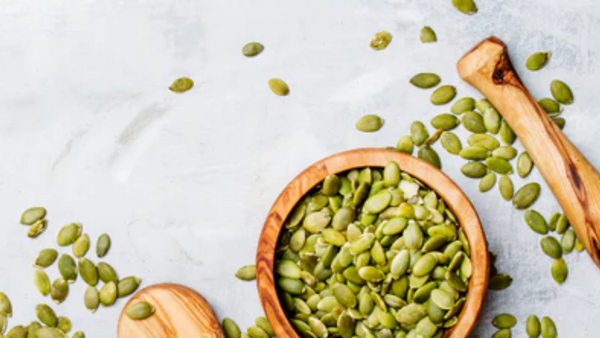
3. Pumpkin seeds
Pumpkin seeds also contain a considerable amount of zinc, with 10.3 mg of zinc per 100 g. They also provide plenty of magnesium, potassium and manganese. [3] So with a handful of pumpkin seeds in your muesli, yoghurt or salad, you are getting a good portion of valuable nutrients.
4. Meat
Meat also provides a good portion of zinc. Beef, for example, contains 10 mg of zinc per 100 g.
Beef is also a good source of B vitamins, iron and selenium. [4]
5. Shiitake mushrooms
Shiitake mushrooms are used in traditional Chinese medicine to treat many ailments. In terms of nutrients, they have a lot to offer. Dried shiitake mushrooms provide 8 mg of zinc per 100 g. They are also rich in B vitamins (except vitamin B12), magnesium , copper, manganese and selenium. [5]
6. Peanuts
Peanuts are also a good source of zinc: they contain 6.6 mg of zinc per 100 g. They also contain plenty of magnesium and manganese. [6] A peanut snack therefore provides many valuable minerals!
7. Cocoa
Cocoa is also a good source of zinc: 100 g provide 6.8 mg of the mineral. Cocoa is also rich in iron, magnesium, potassium and manganese. [7]
So chocolate is certainly rich in nutrients – provided the cocoa content is high enough. 85% chocolate tastes very pleasant and contains very little sugar.
8. Lentils
Lentils contain 4.8 mg of zinc per 100 g. They also provide a good portion of folic acid, iron, magnesium and manganese. [8] Legumes such as lentils are also an important source of protein for vegans .
9. Wild rice
Wild rice also provides plenty of zinc: it contains 6 mg of zinc per 100 g. Wild rice is also a good source of many other minerals such as magnesium, manganese and copper. [9]
10. Cheese
Cheese contains relatively high levels of zinc. Swiss cheese, for example, provides 4 mg of zinc per 100 g. Cheese is also rich in vitamin A, vitamin B2 and vitamin B12, calcium and selenium. [10] Dairy products such as cheese are also a good source of protein for vegetarians.
Conclusion: Zinc requirements vary individually
Oysters are by far the best source of zinc. But meat, nuts and seeds, legumes and cheese also provide plenty of zinc. However, phytic acid in legumes and grains binds zinc, making it more difficult to absorb. For this reason, vegans and vegetarians have an increased risk of zinc deficiency.
If zinc requirements cannot be met through food, supplementation with a high-quality zinc preparation may be useful.
AS PROMISED, YOU WILL RECEIVE A 5% VOUCHER ON Zinc & Copper and Zinc Drops .
SIMPLY COPY THE CODE ZINKREICH+V5 AND ENTER IT AT CHECKOUT.
Click here to shop
[1] Mollusks, oyster, eastern, wild, raw Nutrition Facts & Calories (self.com)
[2] Veal, variety meats and by-products, liver, raw [calf liver] Nutrition Facts & Calories (self.com)
[3] Seeds, pumpkin and squash seeds, whole, roasted, without salt Nutrition Facts & Calories (self.com)
[4] Beef, chuck, blade roast, separable lean only, trimmed to 0" fat, all grades, cooked, braised [Top Blade Steak] Nutrition Facts & Calories (self.com)
[5] Mushrooms, shiitake, dried Nutrition Facts & Calories (self.com)
[6] Peanuts, all types, oil-roasted, without salt Nutrition Facts & Calories (self.com)
[7] Cocoa, dry powder, unsweetened Nutrition Facts & Calories (self.com)
[8] Lentils, raw Nutrition Facts & Calories (self.com)
[9] Wild rice, raw Nutrition Facts & Calories (self.com)
[10] Cheese, swiss Nutrition Facts & Calories (self.com)
The most iodine-rich foods: How to meet your iodine needs
Iodine is an essential trace element that we must consume through our diet.
Iodized table salt was introduced in Germany to counteract iodine deficiency. Unfortunately, iodine deficiency is still widespread. Most people are not aware of this.
Here you can find out which foods are rich in iodine and how you can meet your needs.
IT'S WORTH READING!
AT THE END OF THE ARTICLE WE WOULD LIKE TO GIVE YOU A LITTLE JOY WITH A VOUCHER!
Iodine requirement
According to the German Nutrition Society (DGE), the daily requirement of iodine is 180 – 200 µg. Pregnant and breastfeeding women have an increased requirement of 230 µg and 260 µg respectively. [1]
Since the soil in Germany is low in iodine, a deficiency is unfortunately widespread. According to the Federal Institute for Risk Assessment, 30% of adults and 44% of children do not consume enough iodine.
In our detailed article on iodine you will learn more about this underestimated trace element.
Here is a list of foods that contain iodine: [2]
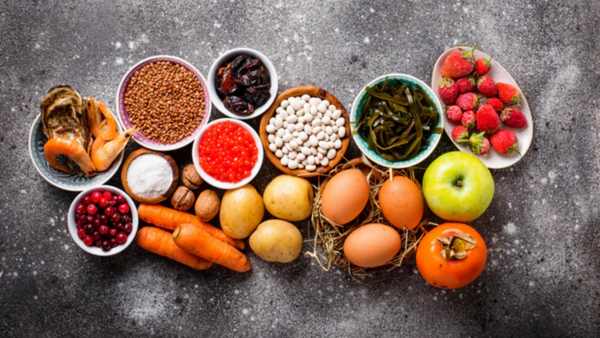
1. Iodized table salt
With 5070 µg of iodine per 100g, iodized table salt contains by far the most iodine per gram. But of course we only consume a few grams of salt per day. Nevertheless, iodized table salt is an important source of iodine.
2. Algae
Seaweed comes right after iodized table salt when it comes to iodine. They are particularly rich in iodine in dried form, as all the nutrients are then concentrated. Dried nori seaweed, for example, provides 2320 µg of iodine per 100 g.
However, iodine can be problematic in excessive amounts, so you should be careful when consuming algae. Too much iodine can be dangerous, especially for Hashimoto's disease.
If you are not a big fan of seaweed, there are also nutritional supplements that contain kelp brown algae . This is a very easy way to meet your iodine needs.
By the way, algae salt (salt with added algae) is a great alternative to iodized table salt. There is no difference in taste.
3. Eggs
Eggs are also a good source of iodine: they contain 49.2 µg of iodine per 100 g. You may be wondering how the iodine gets into the eggs if the chickens eat feed that comes from iodine-poor soil. A very legitimate question! In fact, iodine is added to chicken feed to increase the iodine content in eggs. In addition to iodized table salt, this is another measure to counteract iodine deficiency.
By the way, eggs are a great food in general. They provide high-quality protein, healthy fats and almost all vitamins and minerals in generous amounts.
4. Milk
Milk and dairy products are also a good source of iodine. Milk contains 34.3 µg of iodine per 100 g. This is because iodine is added to animal feed. Milk and dairy products also provide high-quality protein, calcium and numerous B vitamins. For vegetarians, dairy products are an important source of vitamin B12 .
5. Sea fish
Sea fish is also rich in iodine. Salmon, for example, provides 26.2 µg of iodine per 100g. This is no surprise, because the iodine-rich algae are at the bottom of the food chain: fish either eat algae or smaller fish that have eaten algae.
In addition to iodine, fish is also rich in valuable omega-3 fatty acids and a good source of magnesium, selenium and B vitamins .
6. Seafood
Seafood also provides plenty of iodine. Shrimps, for example, contain 14.7 µg of iodine per 100 g. They also provide an extra portion of vitamin B12 and numerous minerals such as zinc, selenium , magnesium and copper . [3]
7. Meat
Meat contains moderate amounts of iodine, but significantly less than fish, eggs and dairy products. Turkey, for example, provides 2.1 µg of iodine per 100 g. Turkey is also rich in B vitamins and the minerals zinc and selenium. [4]
8. Legumes
Legumes also provide some iodine, but comparatively little. Kidney beans, for example, contain 1.1 µg of iodine per 100g. Legumes are also a good source of B vitamins (except vitamin B12), plant-based iron, manganese, magnesium and potassium . [5] For vegans, they are also an important source of protein.
9. Nuts
Nuts contain a similar amount of iodine to pulses. For example, almonds provide 1 µg of iodine per 100 g. Nuts therefore do not contribute significantly to meeting iodine requirements. However, nuts provide many other valuable nutrients, such as B vitamins (except vitamin B12), vitamin E, manganese, copper, magnesium , potassium and zinc.
10. Vegetables
Unfortunately, due to the iodine-poor soil in Germany, vegetables hardly provide any iodine. Carrots, for example, contain 0.5 µg of iodine per 100g. But vegetables are of course a very important source of vitamins and minerals, as well as secondary plant substances .
Conclusion: Iodine deficiency is widespread
Unfortunately, iodine deficiency is widespread in Germany due to soils that are poor in iodine. The best sources of iodine are iodized table salt, algae, fish and seafood, as well as eggs and dairy products. Since iodine is mainly found in animal foods, vegans should rely more on algae as a source of iodine or take iodine as a dietary supplement .
AS PROMISED, YOU WILL RECEIVE A 5% VOUCHER FOR OUR IODINE FROM ORGANIC Kelp .
SIMPLY COPY THE CODE JOD+V5 AND ENTER IT AT CHECKOUT.
Click here for product
[1] https://www.dge.de/forschung/referenzwerte/jod/?L=
[2] https://www.ars.usda.gov/northeast-area/beltsville-md-bhnrc/beltsville-human-nutrition-research-center/methods-and-application-of-food-composition-laboratory/mafcl -site-pages/iodine/
[3] Crustaceans, shrimp, mixed species, raw Nutrition Facts & Calories (self.com)
[4] Turkey, all classes, meat only, raw Nutrition Facts & Calories (self.com)
[5] Beans, kidney, all types, mature seeds, raw Nutrition Facts & Calories (self.com)
Trace elements: 9 minerals that are essential for our body
Trace elements are minerals, but are only needed in small amounts, i.e. in trace amounts. Since our body cannot produce them itself, they are essential. This means that we have to consume them through food.
Just because they are needed in small amounts does not make them less important than other essential nutrients.
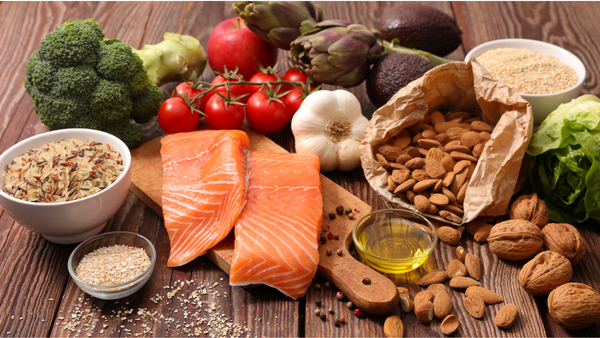
Here you will find an overview of the 9 essential trace elements: what the body needs them for, how much you need daily and how you can meet your needs.
IT'S WORTH READING!
AT THE END OF THE ARTICLE WE WOULD LIKE TO GIVE YOU A LITTLE JOY WITH A VOUCHER!
Chrome
Chromium has important functions in carbohydrate metabolism. It helps regulate blood sugar and is involved in the storage of carbohydrates, fat and protein.
A chromium deficiency can lead to coordination problems, weight loss and problems with blood sugar regulation. However, chromium deficiency is very rare in western industrialized countries. [1]
Chrome requirements
According to the German Nutrition Society (DGE), the daily requirement of chromium is 30 – 100 µg. [2]
Foods containing chromium
Chromium is found in many foods such as meat, grains, fruits, vegetables and nuts. Chromium content also depends heavily on processing. When foods come into contact with stainless steel, their chromium content increases. [3]
Cobalt
Cobalt is a component of vitamin B12 (cobalamin). [4] Vitamin B12 is important for fat and protein metabolism, the regeneration of nerve cells and for blood formation. You can find out more about this in our detailed article on vitamin B12 .
Cobalt requirements
The daily requirement of cobalt is 5 - 8 µg. [5]
Foods containing cobalt
Cobalt is found in foods that also contain vitamin B12, i.e. in all animal foods. Here you can find out which are the best sources of vitamin B12 .
Iron
Iron is especially important for the transport of oxygen in the blood. Iron is also involved in many biochemical reactions. [6]
Iron deficiency leads to impaired formation of red blood cells. Pregnant women and menstruating women are at increased risk of iron deficiency. Typical symptoms are: [7]
paleness
Difficulty concentrating
easy fatigue
Performance loss
Loss of appetite
Dry skin
increased susceptibility to infection
Iron requirements
According to the DGE, the daily requirement of iron is 10 - 15 mg. [8]
Iron-containing foods
Iron is found in many plant and animal foods. However, animal iron can be better absorbed and utilized. The absorption of plant iron can be improved if it is combined with vitamin C.
The following foods are the best sources of iron: [9]
Cocoa (13.9 mg/100 g)
Nuts and seeds (e.g. hemp seeds with 7.95 mg/100 g)
Liver (7.4 mg/100 g)
Meat (e.g. beef with 5.46 mg/100 g)
Seafood (e.g. oysters with 5.78 mg/100g)
Iodine
As a component of thyroid hormones, iodine is important for the function of the thyroid gland. But all other organs also need iodine. It has important functions in energy metabolism and cell growth. [10]
Iodine deficiency is one of the most common nutritional deficiencies . The soil in Germany is poor in iodine, which is why a deficiency is very common here too. Iodized table salt does help to cover the need, but is usually not enough on its own.
In our article about iodine you will learn more about why this trace element is so important.
An iodine deficiency manifests itself through [11]
Goiter formation
Tiredness and exhaustion
rough, dry skin
Obesity
slight chills
Hair loss
Iodine requirement
According to the DGE, the daily requirement of iodine is approximately 200 µg. [12]
Foods containing iodine
Iodine is found in the following foods: [13]
iodized table salt (5070 µg/100 g)
Algae (e.g. dried nori seaweed with 2320 µg/100 g)
Eggs (49.2 µg/100 g)
Milk (34.3 µg/100 g)
Fish (e.g. salmon with 26.2 µg/100 g)
Seafood (e.g. shrimps with 14.7 µg/100 g)
Poultry (e.g. turkey with 2.1 µg/100 g)
Legumes (e.g. kidney beans with 1.1 µg/100 g)
Vegetables (e.g. carrots with 0.5 µg/100 g)
Copper
Copper is a component of many proteins. It has important functions in carbohydrate, protein and fat metabolism. The immune system also needs copper and it is important for iron metabolism. [14]
A copper deficiency is rare in Germany. It manifests itself in tiredness and exhaustion, bone loss, memory and concentration problems, paleness and premature graying.
In our article on copper we take a closer look at this trace element.
Copper requirements
According to the DGE, the daily requirement of copper is 1.0 – 1.5 mg. [15]
Foods containing copper
Copper is found in the following foods: [16]
Liver (e.g. beef liver with 14.59 mg/100 g)
Oysters (5.71 mg/100 g)
dried shiitake mushrooms (5.17 mg/100 g)
Nuts and seeds (e.g. sesame with 4.08 mg/100 g)
Cocoa (3.79 mg/100 g)
Seafood (e.g. lobster with 1.55 mg/100 g)
Manganese
Manganese is important for connective tissue. It also activates numerous enzymes and is needed for the synthesis of proteins. Manganese deficiency is rare. It manifests itself in bone problems, reduced fertility and disorders in carbohydrate and fat metabolism. [17]
Manganese requirement
According to the DGE, the daily requirement of manganese is 2 - 5 mg. [18]
Manganese-containing foods
Manganese is found in the following foods: [19]
Spices (e.g. cardamom with 28 mg/100g)
Nuts (e.g. hazelnuts with 13 mg/100g)
Garlic (2 mg/100 g)
Fruit (e.g. pineapple with 2 mg/100 g)
Legumes (e.g. lima beans with 2 mg/100 g)
Algae (e.g. Wakame algae with 1 mg/100g)
Oysters (1 mg/100g)
Molybdenum
Molybdenum is important for the formation of uric acid and is a component of many enzymes. A deficiency in molybdenum is very rare. It manifests itself in rapid heartbeat, mental problems and headaches. [20]
Molybdenum requirements
According to the DGE, the daily requirement of molybdenum is 50 – 100 µg. [21]
Foods containing molybdenum
Molybdenum is found in the following foods: [22]
Legumes (e.g. lima beans with 870 µg/100 g)
Eggs (9 µg/100 g)
Fruit (e.g. pineapple with 9 µg/100 g)
green leafy vegetables (e.g. spinach with 7 µg/100 g)
Tomatoes (5 µg/100 g)
Selenium
Selenium has important functions in the metabolism of thyroid hormones. It also protects against oxidative stress and is required for DNA synthesis. [23]
In our detailed article about selenium you will learn more about why selenium is so important for the body.
Germany is a selenium deficiency area and therefore selenium deficiency is widespread. A selenium deficiency manifests itself in
reduced fertility
exhaustion
Concentration problems
increased susceptibility to infection
Selenium requirement
According to the DGE, the daily requirement of selenium is 60 – 70 µg. [24]
Foods containing selenium
The following foods are the best sources of selenium: [25]
Brazil nuts
Oysters
liver
Fish
Seeds
seafood
Meat
zinc
Zinc is essential for the functioning of the immune system. It also plays an important role in wound healing and is important for the skin. [26] 32% of men and 21% of women do not get enough zinc from their diet. [27] Therefore, zinc deficiency is not uncommon. It manifests itself in the following symptoms:
poor wound healing
reduced sense of taste and smell
Diarrhea
Loss of appetite
In our article about zinc you will learn more about what functions it has in the body.
Zinc requirement
According to the DGE, the daily requirement for zinc is 10 – 16 mg. The requirement depends mainly on the consumption of foods containing phytic acid (legumes and grains). This is because phytic acid binds zinc and thus hinders its absorption. [28]
Foods containing zinc
The following foods are the best sources of zinc: [29]
Oysters (45.1 mg/100 g)
Liver (e.g. veal liver with 11.2 mg/100 g)
Nuts and seeds (e.g. hemp seeds with 9.9 mg/100 g)
Cocoa (9.63 mg/100 g)
Meat (such as beef with 8.78 mg/100 g)
Conclusion: Important trace elements are often neglected
Trace elements are essential minerals that our body only needs in small amounts. Nevertheless, they are of great importance to us. Trace elements include chromium, cobalt, iron, iodine, copper, manganese, molybdenum, selenium and zinc. Of these, iron, iodine, selenium and zinc are often neglected in the diet.
AS PROMISED, YOU WILL RECEIVE A 5% VOUCHER ON OUR VITAMIN B12 , Zinc & Copper , Essential 4-daily and Selenium Tablets .
JUST COPY THE CODE ELEMENTE+V5 AND ENTER IT AT CHECKOUT.
Click here to shop
[1] https://ods.od.nih.gov/factsheets/Chromium-HealthProfessional/
[2] https://www.dge.de/forschung/referenzwerte/kupfer-mangan-chrom-molybdaen/
[3] https://ods.od.nih.gov/factsheets/Chromium-HealthProfessional/
[4] https://pubmed.ncbi.nlm.nih.gov/24470095/
[5] https://www.urmc.rochester.edu/encyclopedia/content.aspx?contenttypeid=19&contentid=cobalt
[6] https://www.ncbi.nlm.nih.gov/pmc/articles/PMC3999603/
[7] https://www.nhs.uk/conditions/iron-deficiency-anaemia/
[8] https://www.dge.de/forschung/referenzwerte/eisen/?L=0
[9] https://nutritiondata.self.com/foods-000119000000000000000-w.html
[10] https://www.ncbi.nlm.nih.gov/pmc/articles/PMC3063534/
[11] https://pubmed.ncbi.nlm.nih.gov/21748117/
[12] https://www.dge.de/forschung/referenzwerte/jod/?L=0
[13] https://www.ars.usda.gov/northeast-area/beltsville-md-bhnrc/beltsville-human-nutrition-research-center/methods-and-application-of-food-composition-laboratory/mafcl -site-pages/iodine/
[14] https://www.ncbi.nlm.nih.gov/books/NBK225407/
[15] https://www.dge.de/forschung/referenzwerte/kupfer-mangan-chrom-molybdaen/?L=0
[16] https://nutritiondata.self.com/foods-000125000000000000000-w.html
[17] https://pubmed.ncbi.nlm.nih.gov/24470093/
[18] https://www.dge.de/forschung/referenzwerte/kupfer-mangan-chrom-molybdaen/
[19] https://nutritiondata.self.com/foods-000126000000000000000-w.html
[20] https://pubmed.ncbi.nlm.nih.gov/8302261/
[21] https://www.dge.de/forschung/referenzwerte/kupfer-mangan-chrom-molybdaen/?L=0
[22] https://pubmed.ncbi.nlm.nih.gov/7369160/
[23] https://www.ncbi.nlm.nih.gov/books/NBK557551/
[24] https://www.dge.de/forschung/referenzwerte/selen/
[25] https://nutritiondata.self.com/foods-000127000000000000000-w.html
[26] https://www.ncbi.nlm.nih.gov/pmc/articles/PMC3724376/
[27] https://www.bmel.de/DE/themen/ernaehrung/gesunde-ernaehrung/nationale-verzehrsstudie-aufnahme.html
[28] https://www.dge.de/forschung/referenzwerte/zink/?L=0
[29] https://nutritiondata.self.com/foods-000124000000000000000.html
The foods with the highest vitamin B12 content: How to meet your needs
Vitamin B12 is an essential nutrient that our body cannot produce itself. Therefore, we must get it from food. Like all other B vitamins, vitamin B12 is water-soluble.
Vitamin B12 has important functions in fat and protein metabolism. It is also important for nerve regeneration and contributes to the formation of red blood cells. [1]
In our detailed article on vitamin B12 you will learn more about why vitamin B12 is so important. Here you will find out which foods you can use to meet your vitamin B12 needs.
Vitamin B12 requirements
According to the DGE, the daily requirement of vitamin B12 is 4 µg for adults. Pregnant and breastfeeding women have a slightly increased requirement of 4.5 and 5.5 µg respectively. [2]
IT'S WORTH READING!
AT THE END OF THE ARTICLE WE WOULD LIKE TO GIVE YOU A LITTLE JOY WITH A VOUCHER!
Vitamin B12 is only found in animal foods. However, we can store large amounts of vitamin B12 (approx. 2,000 - 5,000 µg) in our liver and these stores can last for several years even with a vegan diet. However, it is not possible to cover our vitamin B12 needs in the long term with a vegan diet .
These are the 10 best sources of vitamin B12:
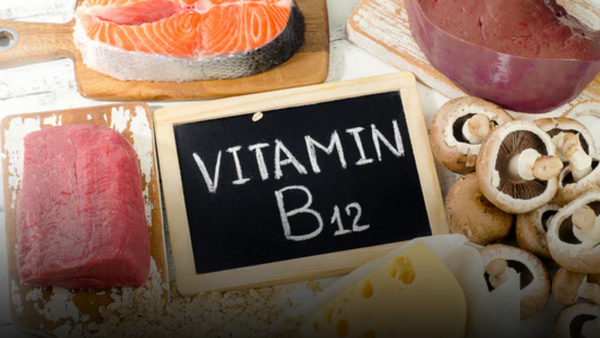
1. Mussels
Oysters & Co are very popular in French cuisine, but unfortunately not widely used in German cuisine.
Mussels are the best source of vitamin B12: they provide 99 µg per 100 g, which is more than 20 times the daily requirement! [3] Mussels are also superstars when it comes to minerals: they provide a good portion of iron, potassium, zinc, copper , manganese and selenium. They also provide valuable omega-3 fatty acids, although they are generally low in fat. Lots of good reasons to try them!
2. Beef liver
Liver is not for everyone either. But it is also an excellent source of vitamin B12. Beef liver, for example, contains 71 µg of vitamin B12 per 100 g, which is several times the daily requirement. [4] It also provides all other B vitamins in generous amounts and is the absolute leader when it comes to vitamin A. Liver is also a good source of many minerals such as iron, zinc , copper and selenium.
3. Octopus
Let's stick with the exotic foods: octopus. Octopus provides a full 36 µg of vitamin B12 per 100 g. It also provides a good portion of vitamin B2, vitamin B3 and vitamin B5 and is rich in calcium, iron, magnesium, copper and selenium . [5]
4. Mackerel
The fatty mackerel is also an excellent source of vitamin B12 with 19 µg per 100 g. [6] It also provides generous amounts of valuable omega-3 fatty acids , magnesium and selenium.
5. Crabs
And seafood again: Crabs are not among the top vitamin B12 sources, but 100 g provide 11 µg of vitamin B12 – more than double the daily requirement! In addition, they provide numerous minerals such as magnesium , zinc, copper and selenium. [7]
6. Beef
Meat is also a very good source of vitamin B12. Beef, for example, contains 6.2 µg of vitamin B12 per 100g. It also contains many other B vitamins and beef is also a very good source of iron, zinc and selenium.
7. Cheese
Although dairy products provide less vitamin B12 than fish, meat and seafood, they are still a good source. Cheese, for example, provides 3 µg of vitamin B12 per 100 g.
Cheese is also very rich in vitamin A and calcium. Cheese not only tastes better, it also provides valuable nutrients . [8]
8. Eggs
Eggs are incredibly versatile: fried, scrambled, poached or boiled in the shell. Eggs are also almost always used in baking. They not only contain 1.3 µg of vitamin B12 per 100 g, but also almost all other nutrients in generous quantities: high-quality protein with all essential amino acids , vitamin A, vitamin D , vitamin E, all B vitamins, and many minerals. [9] A breakfast egg therefore provides many important nutrients for the day!
9. Milk
Milk and dairy products are an important source of vitamin B12, especially for vegetarians. Milk contains 0.4 µg of vitamin B12 per 100g and is also rich in calcium and many other B vitamins. [10]
10. Yoghurt
As a dairy product, yoghurt contains 0.4 µg of vitamin B12 per 100 g, just like milk. The slightly sour taste of yoghurt is due to valuable probiotic lactic acid bacteria. In addition, yoghurt provides a lot of calcium, potassium and zinc.
Conclusion: Fish, seafood and meat provide the most vitamin B12
Vitamin B12 is only found in significant quantities in animal foods. The best sources of vitamin B12 include fish, seafood and meat. But eggs and dairy products are also good sources of vitamin B12. They are particularly important for vegetarians.
However, a vegan diet cannot cover the vitamin B12 requirement. Vegans are therefore advised to cover their vitamin requirements with a high-quality vitamin B12 product .
AS PROMISED, YOU WILL RECEIVE A 5% VOUCHER ON OUR VITAMIN B12 .
SIMPLY COPY THE CODE B12+V5 AND ENTER IT AT CHECKOUT.
Click here for product
[1] https://pubmed.ncbi.nlm.nih.gov/22332101/
[2] https://www.dge.de/forschung/referenzwerte/vitamin-b12/
[3] https://nutritiondata.self.com/facts/finfish-and-shellfish-products/4183/2
[4] Beef, variety meats and by-products, liver, cooked, braised Nutrition Facts & Calories (self.com)
[5] Mollusks, octopus, common, cooked, moist heat Nutrition Facts & Calories (self.com)
[6] Fish, mackerel, Atlantic, cooked, dry heat Nutrition Facts & Calories (self.com)
[7] Crustaceans, crab, Alaska king, cooked, moist heat Nutrition Facts & Calories (self.com)
[8] Cheese, swiss Nutrition Facts & Calories (self.com)
[9] Egg, whole, raw, fresh Nutrition Facts & Calories (self.com)
[10] Milk, whole, 3.25% milkfat Nutrition Facts & Calories (self.com)
The foods richest in selenium: How to meet your needs
Selenium is an important trace element. Although the body only needs selenium in small amounts, it is indispensable for the human body. Selenium is a component of enzymes and is therefore involved in many biochemical reactions. It is also an important antioxidant that protects cells from oxidative stress. Selenium is also particularly important for the regulation of thyroid hormones.
IT'S WORTH READING!
AT THE END OF THE ARTICLE WE WOULD LIKE TO GIVE YOU A LITTLE JOY WITH A VOUCHER!
Selenium requirement
According to the German Nutrition Society (DGE), the daily requirement of selenium is 60 ug for women and 70 ug for men. Breastfeeding women have a slightly increased requirement of 75 ug. [1]
In Europe, the soil is poor in selenium. For this reason, Germany and other European countries are considered selenium-deficient areas. As a result, food also contains relatively little selenium and many people do not consume enough selenium.
Here is a list of the 10 foods richest in selenium: [2]
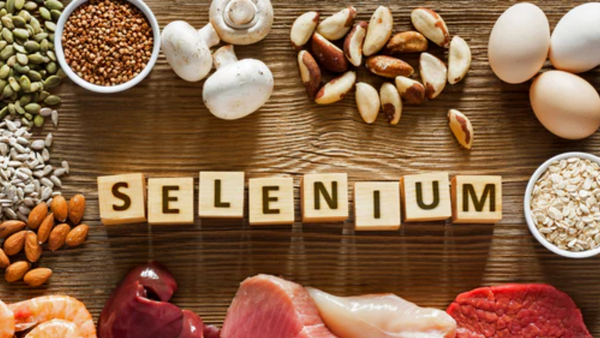
1. Brazil nuts
Brazil nuts are by far the best source of selenium. They provide a full 1917 ug per 100 g and one nut is enough to cover your daily requirement. Since selenium is toxic in large quantities, you should not overdo it with Brazil nuts. Brazil nuts are also radioactive. Another reason not to consume them in large quantities.
However, Brazil nuts are definitely fine as part of nut mixes. In addition to selenium, they are also rich in vitamins B1 (thiamine) and E and the minerals magnesium, copper and manganese. [3]
2. Oysters
Oysters are a true superfood, but unfortunately not for everyone. They provide 154 ug of selenium per 100 g. They also contain a concentrated load of vitamin B12 and are very rich in iron, copper, zinc , iodine and manganese. [4] Zinc and iodine in particular are two minerals that are often neglected in the diet.
3. Lamb liver
Liver is also not part of many people's diet. That's a shame, because it is also a real nutritional bomb. It contains 111 ug of selenium per 100 g. It is particularly rich in vitamin A: 100 g of lamb liver covers two weeks' vitamin A requirements! It also provides plenty of B vitamins, especially vitamin B12, and generous amounts of copper, zinc and iron. [5]
If you haven't dared to try liver before, lamb liver is a great place to start. Compared to liver from other animals, it has a very mild taste. And if you can't stand fried liver at all, liver sausage is a good alternative. You just need to make sure it's of high quality and contains as few additives as possible.
4. Squid
Squid provides 89.6 ug of selenium per 100 g. Squid is also a very good source of iron and copper. [6]
5. Mussels
Let's stay with seafood. Mussels are also very rich in selenium. They contain 89 ug of selenium per 100 g. In addition, they provide plenty of B vitamins and even some vitamin C. They are particularly rich in manganese: 100 g of mussels cover three times the daily requirement of selenium! [7]
6. Sunflower seeds
Seeds are also a good source of selenium. Sunflower seeds provide 79 ug per 100. Sunflower seeds are also rich in vitamin E, B vitamins, magnesium , zinc, copper and manganese. [8] So with a handful of sunflower seeds in your salad, yogurt or muesli, you are consuming many valuable nutrients!
7. Salmon
Salmon provides 76 ug of selenium per 100 g. It also contains a lot of potassium, B vitamins and a concentrated load of valuable omega-3 fatty acids . [9]
8. Lobster
Lobster is also very rich in selenium, with 72.6 ug per 100 g. It also provides plenty of B vitamins, zinc and copper. [10]
9. Pork
Pork doesn't have the best reputation, but it actually provides a lot of nutrients. A full 51 ug of selenium per 100 g, and plenty of B vitamins , potassium and zinc. [11]
10. Swordfish
Swordfish contains 48 ug of selenium per 100 g. It is also a good source of B vitamins, especially vitamin B3 and vitamin B12, and provides plenty of valuable omega-3 fatty acids. [12]
Conclusion: Brazil nuts, fish and seafood are the best sources of selenium
In Germany, food is relatively low in selenium. Selenium is found in many "exotic" foods that are not to everyone's taste, such as liver and seafood. It is therefore not surprising that many people do not consume enough selenium.
If the selenium requirement cannot be met through food, taking a high-quality selenium supplement may be useful.
AS PROMISED, YOU WILL RECEIVE A 5% VOUCHER ON SELENIUM DROPS AND SELENIUM PRESSED COMPONENTS .
JUST COPY THE CODE SELEN+V5 AND ENTER IT AT CHECKOUT.
Click here to shop
[1] https://www.dge.de/forschung/referenzwerte/selen/?L=0
[2] https://nutritiondata.self.com/foods-000127000000000000000-w.html
[3] https://nutritiondata.self.com/facts/nut-and-seed-products/3091/2
[4] https://nutritiondata.self.com/facts/finfish-and-shellfish-products/4253/2
[5] https://nutritiondata.self.com/facts/lamb-veal-and-game-products/4669/2
[6] https://nutritiondata.self.com/facts/finfish-and-shellfish-products/4251/2
[7] https://nutritiondata.self.com/facts/finfish-and-shellfish-products/4187/2
[8] https://nutritiondata.self.com/facts/nut-and-seed-products/3077/2
[9] https://nutritiondata.self.com/facts/ethnic-foods/10006/2
[10] https://nutritiondata.self.com/facts/finfish-and-shellfish-products/4170/2
[11] https://nutritiondata.self.com/facts/pork-products/9810/2
[12] https://nutritiondata.self.com/facts/finfish-and-shellfish-products/4136/2
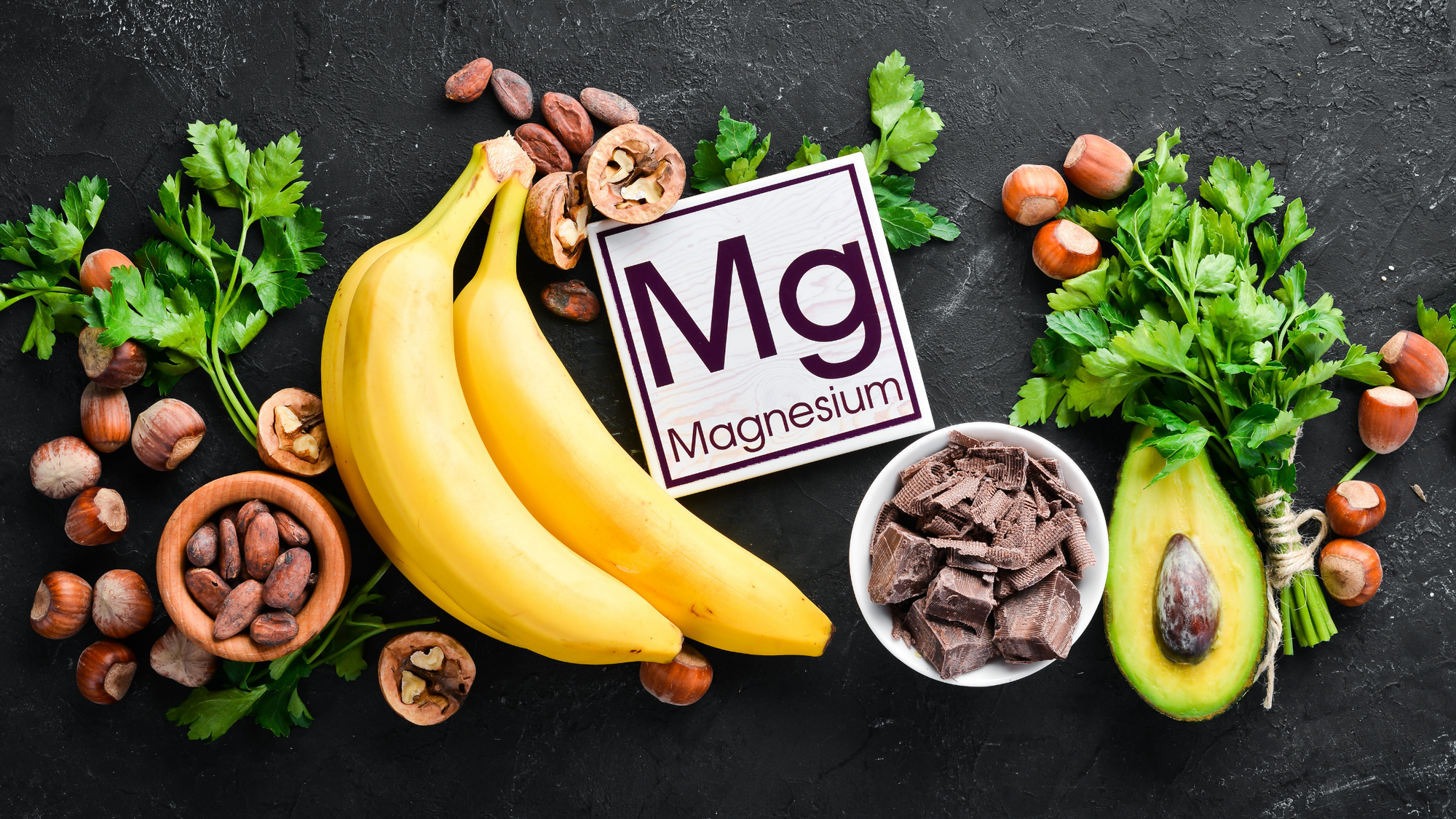
The foods richest in magnesium: How to meet your needs
Magnesium is an essential mineral that we must consume through our diet. Magnesium is also known as the master mineral because it is involved in over 300 enzyme reactions.
The mineral is important for muscle function, is involved in the transmission of stimuli in nerve cells and is also needed for bone maintenance. Magnesium also plays an important role in energy metabolism.
In our detailed article about magnesium you will learn more about why magnesium is so important.
Here you can find out which foods are best for meeting your magnesium needs.
IT'S WORTH READING!
AT THE END OF THE ARTICLE WE WOULD LIKE TO GIVE YOU A LITTLE JOY WITH A VOUCHER!
Magnesium requirement
The daily requirement of magnesium is approximately 300 - 400 mg, depending on age and gender. Adult women need 300 mg of magnesium daily, men 350 mg. During pregnancy and breastfeeding, the requirement is slightly higher: pregnant women need 310 mg of magnesium daily, breastfeeding women 390 mg. 1
Unfortunately, most people in Germany do not consume enough magnesium. Women consume an average of 200 mg per day, men 250. 2 For this reason, magnesium deficiency is widespread.
Here is a list of the 10 foods that contain the most magnesium: 3
Pumpkin seeds
Pumpkin seeds are the leader when it comes to magnesium. 100 g of pumpkin seeds provide a whopping 535 mg of magnesium, which is significantly more than the daily requirement. Pumpkin seeds are also rich in many other minerals such as zinc , copper and manganese. 4
You can simply snack on pumpkin seeds, add them to muesli or sprinkle them over a salad. This way you will consume a good amount of magnesium.
cocoa
Cocoa is also a great source of magnesium. 100 g of cocoa provides a whopping 499 mg of magnesium. And cocoa also provides other valuable nutrients such as iron, copper and manganese. 5
So is chocolate not that unhealthy after all?
There is a catch: milk chocolate only contains 30% cocoa and is mostly made up of sugar, so it is clearly not healthy.
However, things are very different with chocolate with a higher cocoa content. The more cocoa the chocolate contains, the less sugar it has. Dark chocolate, preferably with 85% cocoa or more, is therefore definitely healthy.
linseed
Flax seeds are also very rich in magnesium, with 392 mg/100 g. And they offer a lot more, as they provide lots of B vitamins (vitamin B1, vitamin B6, folic acid) and minerals such as copper, manganese and selenium. 6 They are also a good source of fiber. For this reason, they are also called a local superfood.
Flax seeds are very versatile. They go well in muesli, salads or homemade bread.
Brazil nuts
Brazil nuts provide a full 376 mg of magnesium per 100 g. They are also rich in vitamin E, vitamin B1, copper and manganese. But Brazil nuts are the absolute leaders when it comes to selenium . You can cover your daily requirement with just one nut! 7 However, Brazil nuts are also highly radioactive. For this reason, you should not eat them in large quantities.
Sunflower seeds
Sunflower seeds contain 325 mg of magnesium per 100 g. They also provide plenty of vitamin E, B vitamins, copper, manganese and selenium. 8
With a handful of sunflower seeds in your muesli, yoghurt or salad, you get an extra portion of valuable nutrients.
Mussels
Mussels provide 250 mg of magnesium per 100 g. Unfortunately, they are not for everyone, but they are a real nutritional bomb! Because they provide an extra large portion of vitamin B12 and contain lots of iron, selenium and manganese. 9
Peanuts
Peanuts are also excellent sources of magnesium: they contain 188 mg of magnesium per 100 g. They are also rich in B vitamins, potassium , copper and manganese. 10
Even though they are not strictly speaking nuts but legumes, they are a very healthy snack!
Lentils
Lentils also contain a relatively high amount of magnesium, at 122 mg per 100g. And they have even more to offer: plenty of vitamin B1, folic acid, iron and manganese. They are also an excellent source of high-quality protein. 11
That's why lentil soup is not only healthy, but also filling.
Salmon
Salmon contains 95 mg of magnesium per 100 g. It is also rich in B vitamins and selenium. It also provides large amounts of the valuable omega-3 fatty acids EPA and DHA, which the body can utilize particularly well. 12
Spinach
Green leafy vegetables are also a good source of magnesium. Spinach contains 79 mg of magnesium per 100 g. Spinach is a real nutritional bomb: it also provides large amounts of vitamin A, vitamin C , vitamin K , folic acid and manganese. 13
So there are many good reasons to include spinach in your diet regularly!
Conclusion: Nuts and seeds are the best sources of magnesium
Magnesium is an essential nutrient found primarily in nuts, seeds, seafood, and green leafy vegetables. However, it is not easy to meet magnesium needs through diet alone, as most people do not consume enough magnesium.
To ensure an adequate supply of magnesium, it may be useful to supplementhigh-quality magnesium .
AS PROMISED, YOU WILL RECEIVE A 5% VOUCHER ON OUR MAGNESIUM .
SIMPLY COPY THE CODE MAGNESIUM+V5 AND ENTER IT AT CHECKOUT.
Click here for product
1 https://www.dge.de/forschung/referenzwerte/magnesium/?L=0
2 https://www.kup.at/kup/pdf/1046.pdf
3 https://nutritiondata.self.com/foods-000120000000000000000-1w.html
4 https://nutritiondata.self.com/facts/nut-and-seed-products/3066/2
5 https://nutritiondata.self.com/facts/sweets/5471/2
6 https://nutritiondata.self.com/facts/nut-and-seed-products/3163/2
7 https://nutritiondata.self.com/facts/nut-and-seed-products/3091/2
8 https://nutritiondata.self.com/facts/nut-and-seed-products/3076/2
9 https://nutritiondata.self.com/facts/finfish-and-shellfish-products/4186/2
10 https://nutritiondata.self.com/facts/legumes-and-legume-products/4359/2
11 https://nutritiondata.self.com/facts/legumes-and-legume-products/4337/2
12 https://nutritiondata.self.com/facts/finfish-and-shellfish-products/4102/2
13 https://nutritiondata.self.com/facts/vegetables-and-vegetable-products/2626/2
Vegan diet: 11 critical nutrients that are easily neglected
Vegan diets are on trend. Animal welfare, climate protection and health are often cited as motivations for a vegan diet.
A vegan diet is considered healthy because it is rich in vegetables, fruits, nuts and seeds. But can a vegan diet really provide all the essential nutrients ?
In this article you will learn which nutrients are difficult to cover with a vegan diet.
IT'S WORTH READING!
AT THE END OF THE ARTICLE WE WOULD LIKE TO GIVE YOU A LITTLE JOY WITH A VOUCHER!
Vitamin B12
Vitamin B12 is important for cell division and blood formation. Our brain and nerve cells also need vitamin B12. 1
Unfortunately, this vitamin is only found in significant quantities in animal foods. Vegans therefore have to supplement vitamin B12 . 2
Since vitamin B12 is important for the nerves, a deficiency is quite dangerous. Nerve cells have difficulty regenerating and in the worst case, a vitamin B12 deficiency can cause irreversible nerve damage.
For this reason, it is important to detect a vitamin B12 deficiency before symptoms become noticeable. Since a good supply of vitamin B12 is so critical, we have large vitamin B12 stores. The liver can store around 2,000 - 5,000 ug of vitamin B12. Since the daily requirement is around 4 ug, well-filled stores can last for several years. 3
Omega-3 fatty acids
Omega-3 fatty acids have anti-inflammatory effects and are part of cell membranes. They are important for brain function and support heart health. 4
Omega-3 fatty acids are found in both animal and plant foods. However, not all omega-3s are created equal. Most plant foods such as linseed oil, chia seeds and walnut oil only contain alpha-linolenic acid (ALA). However, the body also needs the omega-3 fatty acids eicosapentaenoic acid (EPA) and docosahexaenoic acid (DHA), which are almost only found in fish and seafood. 5 There is one exception, however: algae oil is a vegan source of omega-3s that contains plenty of EPA and DHA in a favorable ratio of 1:3.
Vegans are therefore strongly advised to supplement Omega-3 in the form of algae oil .
Creatine
Creatine has important functions in energy metabolism and can support muscle building. A large part of the creatine in the body (approx. 95%) is stored in the muscles. 6
Creatine is found primarily in meat and fish. Milk and dairy products are also good sources of creatine. The amounts found in fruit and vegetables are negligible.
However, the body can also produce creatine itself. To do this, it needs the amino acids methionine, arginine and glycine. 7
Arginine and glycine are found in abundance in both plant and animal protein sources. Methionine is also found in plant protein, but in much larger quantities in animal protein. Vegans and vegetarians have significantly less creatine in their muscles than omnivores. 8
Vitamin D
Vitamin D is important for bones and muscles. It also has important functions in the immune system and is needed for cell division. 9
Strictly speaking, vitamin D is a hormone that the body can produce itself when it comes into contact with sunlight. Vitamin D is also found in small amounts in some foods such as fish, meat and eggs. 10
Unfortunately, vitamin D deficiency is very widespread in Germany. According to a study by the Robert Koch Institute, more than half of Germans do not have sufficient vitamin D. 11 A vitamin D supplement is therefore advisable, especially in winter.
Zinc
Zinc is best known for its function in the immune system. Zinc is also important for wound healing and promotes skin and hair health. 12
Oysters and liver are the best sources of zinc. Nuts, seeds, cocoa and wild rice also contain plenty of zinc. 13 There is a problem here, however: these foods contain phytic acid, which binds zinc and thus hinders its absorption. For this reason, zinc requirements depend on the phytic acid content of the food. If phytate intake is low, the daily requirement is around 7-11 mg, and if phytate intake is high, it is 10-16 mg. 14
Since vegans mostly eat foods that contain a lot of phytic acid, they have an increased risk of zinc deficiency.
Vitamin K2
Vitamin K is especially important for blood clotting and bone maintenance. 15 Vitamin K is a group of vitamins.
A distinction is made between vitamin K1 and vitamin K2. Vitamin K1 is found in plant-based foods, while vitamin K2 is found in animal-based foods and fermented vegetables. 16 The body can convert vitamin K1 into K2, but the conversion rate is very poor. 17 For this reason, it is important to consume not only vitamin K1 but also vitamin K2 through food.
Vegans should therefore either eat fermented foods regularly or supplement vitamin K2.
Iodine
Iodine is known to be important for the thyroid, as it is a component of thyroid hormones. However, iodine has many other functions. For example, it is important for cognitive performance and for the nerves. 18
Iodine is mainly found in iodized table salt. However, this alone is not enough to meet the need. Other sources of iodine are fish, dairy products and eggs. Iodine is rarely found in plant-based foods in significant quantities. There is one exception, however: algae, such as nori algae, are very rich in iodine. 19
Iodine deficiency is very common in Germany: 30% of adults and 44% of children do not consume enough iodine. 20 Vegans must be particularly careful to consume iodine in the form of algae or as a dietary supplement.
Selenium
Selenium is important for the function of the thyroid gland and protects cells from oxidative stress. It is also needed for the immune system and helps maintain hair and nails. 21
Selenium is found primarily in fish and seafood. The best source of selenium by far is actually Brazil nuts. However, Brazil nuts are radioactive. For this reason, you should not eat them in large quantities. But seeds such as sunflower seeds are also good sources of selenium. 22
Germany has very selenium-poor soils and is therefore considered a selenium-deficient area. It is possible to meet selenium requirements with a vegan diet. However, since fish and seafood are no longer important sources of selenium, this is more difficult than with a mixed diet.
Iron
Iron is needed for the transport of oxygen in the blood. It is also important for blood formation and has important functions in energy metabolism. 23
Iron is found in both animal and plant foods. However, only animal foods contain heme iron, which the body can use better. 24 Cocoa, nuts, seeds, meat and fish are good sources of iron. 25 Combining it with vitamin C can improve the absorption of iron. 26
Especially if you have an increased need for iron, a vegan diet can easily lead to an iron deficiency. There is an increased need especially in menstruating women, during pregnancy and while breastfeeding .
Essential amino acids
Amino acids are the building blocks of proteins. Proteins fulfill countless functions in the body: They have structural functions and give cells support and structure. They also serve as signaling molecules and are involved in many biochemical reactions.
There are 21 different amino acids and a distinction is made between essential and non-essential amino acids. The body can produce 27 non-essential amino acids itself, but we must consume essential amino acids in sufficient quantities through food.
Essential amino acids are found in both animal and plant foods. However, there is one important difference: Animal protein sources contain all 8 essential amino acids in generous amounts. Some plant protein sources contain some of the essential amino acids, while others do not.
Rice, for example, is rich in the amino acids cysteine and methionine, while peas contain a lot of lysine. 28 , 29
To ensure a good supply of essential amino acids, vegans should cover their protein needs from many different plant-based protein sources. When supplementing with vegan protein powder, they should make sure that it is a multi-component powder with protein from different sources.
Calcium
Calcium is important for bone and muscle function. Calcium also plays an important role in cell division and energy metabolism. 30
Cheese is by far the best source of calcium. But nuts, seeds and fish are also good sources of calcium. Green leafy vegetables also contain calcium, but comparatively little. 31
Calcium requirements can be met with a balanced, vegan diet. However, since cheese is no longer an important source of calcium, this is much more difficult than with a mixed diet.
Conclusion: Many nutrients are easily lacking in a vegan diet
A vegan diet can be healthy and rich in nutrients. However, there are some nutrients that are easily lacking in a vegan diet. These include vitamin B12 and omega-3 fatty acids in particular. For other nutrients such as iron, vitamin K2, calcium, zinc, iodine, selenium and essential amino acids, a conscious choice of foods is necessary to avoid a deficiency .
AS PROMISED, YOU WILL RECEIVE A 5% VOUCHER ON OUR VITAMIN B12 , OMEGA-3 , VITAMIN D3 / K2 liquid , VITAMIN D3 / K2 capsules , zinc , iodine from organic kelp , Amino-8 , calcium and selenium tablets .
JUST COPY THE CODE VEGAN+V5 AND ENTER IT AT CHECKOUT.
Click here to shop
1 https://pubmed.ncbi.nlm.nih.gov/22332101/
2 https://nutritiondata.self.com/foods-000116000000000000000-w.html
3 https://www.dge.de/forschung/referenzwerte/vitamin-b12/
4 https://pubmed.ncbi.nlm.nih.gov/22332096/
5 https://nutritiondata.self.com/foods-000140000000000000000-w.html
6 https://pubmed.ncbi.nlm.nih.gov/23851411/
7 https://www.kidney-international.org/article/S0085-2538(15)49469-4/fulltext
8 https://journals.lww.com/acsm-msse/Fulltext/2003/11000/Effect_of_Creatine_and_Weight_Training_on_Muscle.25.aspx
9 https://www.ncbi.nlm.nih.gov/pmc/articles/PMC3356951/
10 https://nutritiondata.self.com/foods-000102000000000000000-w.html
11 https://www.rki.de/SharedDocs/FAQ/Vitamin_D/Vitamin_D_FAQ-Liste.html
12 https://pubmed.ncbi.nlm.nih.gov/20141096/
13 https://nutritiondata.self.com/foods-000124000000000000000.html
14 https://www.dge.de/forschung/referenzwerte/zink/?L=0
15 https://pubmed.ncbi.nlm.nih.gov/26468402/
16 https://nutritiondata.self.com/foods-000104000000000000000-2w.html
17 https://pubmed.ncbi.nlm.nih.gov/8813897/
18 https://pubmed.ncbi.nlm.nih.gov/21448409/
19 https://www.ars.usda.gov/northeast-area/beltsville-md-bhnrc/beltsville-human-nutrition-research-center/methods-and-application-of-food-composition-laboratory/mafcl-site -pages/iodine/
20 https://www.bfr.bund.de/de/jodbedarf_in_deutschland_wieder_ruecklaeufig___tipps_fuer_eine_gute_jodbedarf-128626.html
21 https://www.thelancet.com/journals/lancet/article/PIIS0140-6736(11)61452-9/fulltext
22 https://nutritiondata.self.com/foods-000127000000000000000-w.html
23 https://www.ncbi.nlm.nih.gov/books/NBK540969/
24 https://pubmed.ncbi.nlm.nih.gov/20200263/
25 https://nutritiondata.self.com/foods-000119000000000000000-w.html
26 https://pubmed.ncbi.nlm.nih.gov/2507689/
27 https://www.ncbi.nlm.nih.gov/books/NBK557845/
28 https://www.ncbi.nlm.nih.gov/pmc/articles/PMC5302255/
29 https://www.ncbi.nlm.nih.gov/pmc/articles/PMC6266829/
30 https://www.ncbi.nlm.nih.gov/pmc/articles/PMC6683260/
31 https://nutritiondata.self.com/foods-001118000000000000000-4w.html
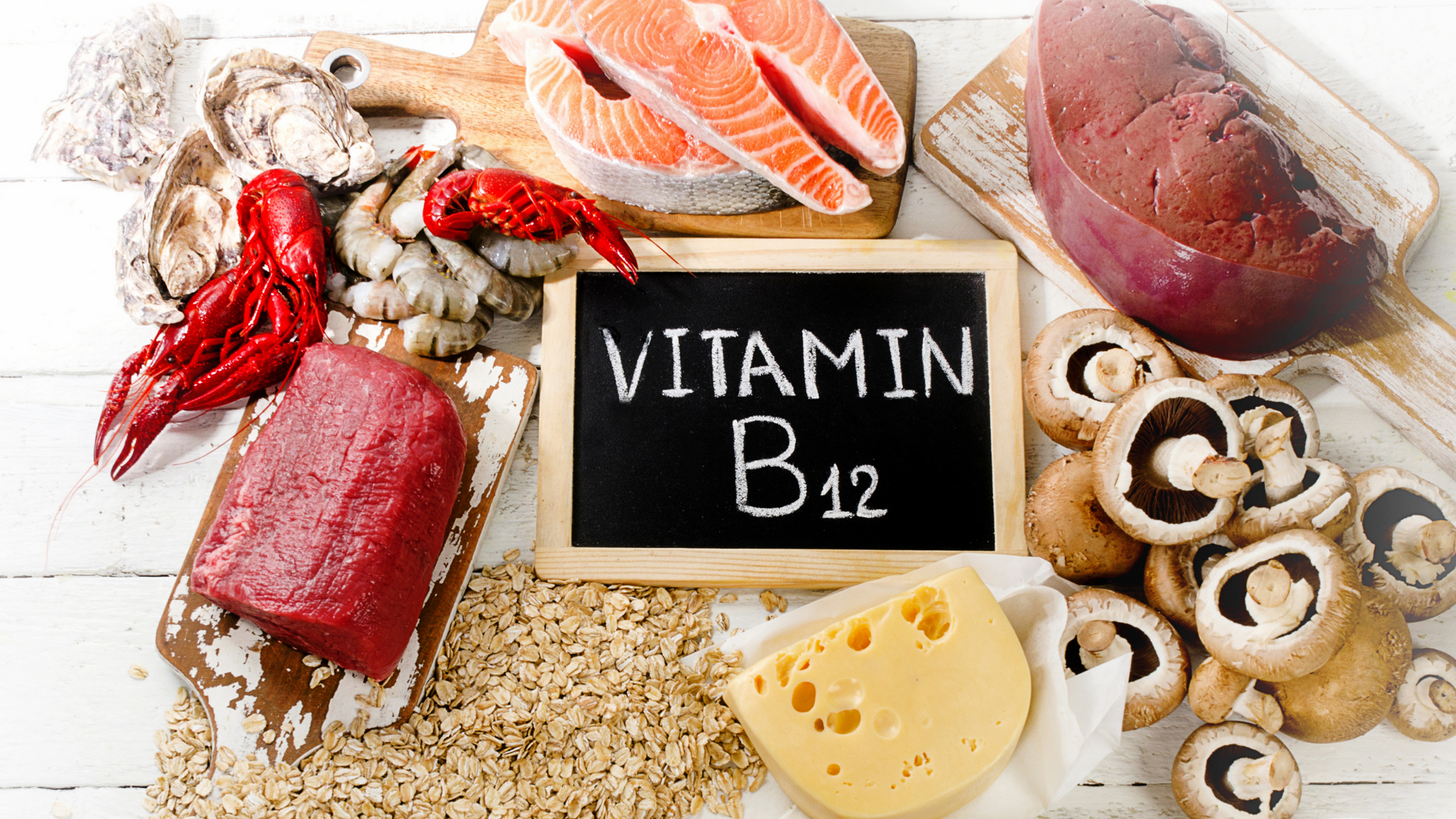
Vitamin B12: Effects, symptoms and causes of deficiency
Vitamin B12: Effects, symptoms and causes of deficiency & the best sources
Vitamin B12 is a term that is primarily known to vegans. This vitamin is only found in animal products. However, omnivores can also develop a vitamin B12 deficiency.
Why is vitamin B12 so important and how can you prevent a deficiency?
IT'S WORTH READING!
AT THE END OF THE ARTICLE WE WOULD LIKE TO GIVE YOU A LITTLE JOY WITH A VOUCHER!
What is vitamin B12?
Vitamin B12 is one of the B vitamins and is an essential nutrient that we must consume through food. It serves as a cofactor for many enzymes.
Vitamin B12 is needed for cell division and blood formation and has important functions in energy metabolism. The brain also needs vitamin B12, especially because it is essential for nerve cells. It regenerates the myelin sheath of nerve cells and supports the formation of connections (synapses) between nerve cells. The myelin sheath is an insulating protective layer that surrounds nerve cells and ensures rapid signal transmission. 1
The Federal Office of Consumer Protection and Food Safety confirms the following health claims for vitamin B12: 2
Vitamin B12
supports memory performance
supports brain performance
is important for cognitive functions in old age
is important for cell formation
contributes to the formation of red blood cells
is involved in all growth processes
serves to regenerate damaged nerves (myelin sheath)
is important for maintaining bone health
Symptoms of vitamin B12 deficiency
A lack of vitamin B12 can cause many problems. These are the most common symptoms of a deficiency: 3
cold hands and feet
Concentration and memory problems
Tiredness, exhaustion and fatigue
Senile dementia
Numbness and tingling
Depression
schizophrenia
Muscle weakness
Unsteady gait
Anemia
Hair loss
Vitamin B12 test
Unfortunately, the symptoms of a vitamin B12 deficiency are very unspecific. This means that the individual symptoms can have many causes and do not clearly indicate a vitamin B12 deficiency.
A diagnostic test is therefore necessary to detect a vitamin B12 deficiency. People who are at increased risk of a vitamin B12 deficiency should have their vitamin B12 status checked regularly. This is because a vitamin B12 deficiency is not without danger. Vitamin B12 is important for the nerves and their ability to regenerate is very limited. Therefore, the damage caused by a vitamin B12 deficiency can, in the worst case, be irreversible.
Unfortunately, the serum test that the family doctor performs as standard is not very informative and is not suitable for clearly proving a vitamin B12 deficiency.
Holotranscobalamin test
The holotranscobalamin test (Holo-TC) measures active vitamin B12 in the blood, which the cells can absorb and use. 4 This test is significantly more expensive than the standard serum test, but it is worth the investment: because it is also much more informative.
The holo-TC value should ideally be above 50 pg/ml. If the value is between 35 and 50 pg/ml, further tests (homocysteine determination and MMA test) are necessary to rule out a deficiency. If the value is below 35 pg/ml, a vitamin B-12 deficiency is very likely. 5
MMA urine test
The methylmalonic acid test (MMA test) is an indirect test for vitamin B12 supply. If there is a vitamin B12 deficiency, the body produces large amounts of MMA. These are excreted in the urine and can be detected there. 6
The MMA value should ideally be below 0.23 mg/g creatinine. Between 0.23 and 1.59 mg/g creatinine lies the grey area in which the vitamin B12 supply is probably not optimal. If the value is above 1.59 mg/g creatinine, a vitamin B12 deficiency is very likely.
Cause of vitamin B12 deficiency
A vitamin B12 deficiency can have various causes. These are the biggest risk factors:
Medications: Certain medications such as proton pump inhibitors (PPIs) and the diabetes drug metformin can inhibit the absorption of vitamin B12. 7 , 8
Lack of intrinsic factor: This protein is produced in the stomach and is important for vitamin B absorption. 9
Vegans and vegetarians: Since vitamin B12 is only found in significant quantities in animal products, people who eat a predominantly plant-based diet usually do not consume enough vitamin B12. Vegans are particularly at risk. They are strongly advised to take a vitamin B12 supplement. 10
Reduced absorption: e.g. due to chronic inflammatory bowel disease. 11
Age: Older people often have several risk factors. 12
The liver can store large amounts of vitamin B12, approximately 2,000 - 5,000 ug. The daily requirement is 4 ug. Ideally, the stores can last for several years and a deficiency develops gradually, even in the presence of clear risk factors.
Foods with the highest vitamin B12 content
The daily requirement of vitamin B12 for an adult is 4 ug.13 This requirement can easily be met with a normal diet, since vitamin B12 is found in abundance in most animal foods.
In the table you will find the best sources of vitamin B12. 14
Groceries
ug vitamin B12 per 100 g
Mussels
99
Beef liver
71
Octopus
36
Oysters
35
mackerel
19
Crabs
11
beef
6
Cheese
3
Eggs
1.3
Milk
0.4
Conclusion: Vitamin B12 is not only important for the nerves
Vitamin B12 fulfils many important functions in the body. It is needed for blood formation, has important functions in energy metabolism and is important for nerve cells.
Vitamin B12 is found in abundance in most animal foods. However, a vegan diet or reduced intake can lead to a vitamin B12 deficiency.
A high-quality vitamin B12 supplement helps to ensure an adequate supply and prevent a deficiency. You should make sure that it is free of unnecessary, potentially harmful additives and comes from a German laboratory that ensures the highest quality standards.
AS PROMISED, YOU WILL RECEIVE A 5% VOUCHER ON OUR VITAMIN B12 .
SIMPLY COPY THE CODE B12+V5 AND ENTER IT AT CHECKOUT.
Click here for product
1 https://www.ncbi.nlm.nih.gov/pmc/articles/PMC3257642/
2 https://www.bvl.bund.de/SharedDocs/Downloads/01_Lebensmittel/healthclaims/Vitamine%20Empf.%20II.pdf?__blob=publicationFile&v=3
3 https://pubmed.ncbi.nlm.nih.gov/28722952/
4 https://www.ncbi.nlm.nih.gov/pmc/articles/PMC3127504/
5 https://www.imd-berlin.de/fachinformationen/diagnostikinformation/vitamin-b12-lack.html
6 https://pubmed.ncbi.nlm.nih.gov/15325684/
7 https://pubmed.ncbi.nlm.nih.gov/18194503/
8 https://pubmed.ncbi.nlm.nih.gov/30615306/
9 https://www.ncbi.nlm.nih.gov/books/NBK546655/
10 https://pubmed.ncbi.nlm.nih.gov/2380031/
11 https://www.ncbi.nlm.nih.gov/pmc/articles/PMC5323299/
12 https://pubmed.ncbi.nlm.nih.gov/10448529/
13 https://www.dge.de/forschung/referenzwerte/vitamin-b12/
14 https://nutritiondata.self.com/foods-000116000000000000000-w.html
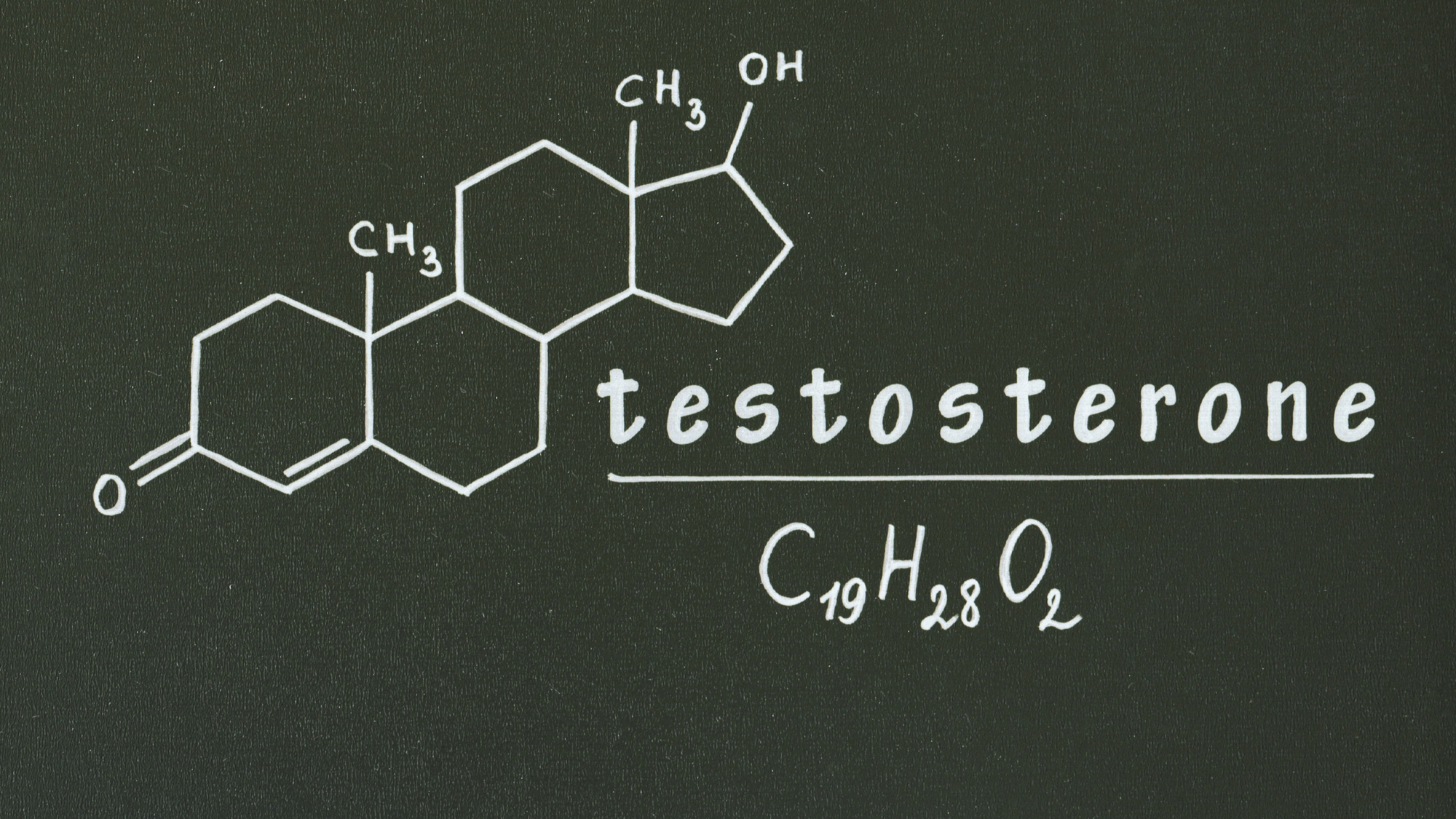
Testosterone - The influence of your diet
Did you know? Testosterone is not just a sex hormone! We'll show you how important it is for men and women.
Testosterone: This is how much influence your food has on the sex hormone
Testosterone makes you aggressive, strong and helps men lift enormous weights in the gym - that's one of the common prejudices. But very few people know that this sex hormone is also important for the female body and can be controlled in part through diet. In this article, we'll explain what testosterone is exactly, what it regulates in the body and which foods are suitable for keeping your T-level at a healthy level in everyday life.
IT'S WORTH READING!
AT THE END OF THE ARTICLE WE WOULD LIKE TO GIVE YOU A LITTLE JOY WITH A VOUCHER!
Why do you need testosterone?
Like many things in the body, testosterone levels change with age. From around the age of 25, men's testosterone levels begin to naturally drop. That doesn't sound dramatic at first.
However, there are studies that suggest a link between low testosterone levels and diseases such as obesity or even premature death. [1]
And although testosterone is perceived as an almost exclusively male hormone that plays an important role in sperm production, it also plays a role in the female body: in addition to sex drive, it also contributes to the formation and maintenance of muscle strength and bone density in women.
Among several diseases in which testosterone - or its lack - plays a role, hypogonadism is one of the most common. This lack of sex hormones can affect both men and women. In both cases, the germ cells (ovaries or testes) produce insufficient sex hormones or none at all. [2]
The result: a disruption of sexual development, which in the worst case can even lead to the regression of secondary sexual characteristics.
In fact, approximately four out of ten men over the age of 45 suffer from hypogonadism. Since 2012, the number of cases in which older men have been diagnosed with low testosterone levels has increased by a full 170 percent. [3]
The fact that low T levels are not uncommon these days is confirmed by another study that seems to support the findings of the one just mentioned. It revealed that prescriptions for testosterone preparations have increased fivefold since 2012. [4]
So it's clear that testosterone is important. But what exactly does it do in the body?
Testosterone under the microscope
Testosterone is a hormone, more precisely a sex hormone (androgen), which occurs in men and women and acts as a messenger substance that triggers necessary changes in the body. [5]
By the way, this does not only apply to libido, but also to things like fat metabolism or bone stability.
While women's ovaries produce small amounts of it, in men the Leydig cells in the testes are responsible for producing the hormone. In addition, small amounts are produced in the adrenal glands in both sexes.
In addition to sperm production, the sex hormone regulates other functions in men, such as fat distribution in the body, muscle and bone mass, the production of red blood cells and, of course, last but not least, sex drive. [6]
During puberty, it stimulates body hair, fuels sexual desire and helps on a hormonal level to turn the boy into a man.
And what about aggression? Has testosterone earned its reputation in this regard? A review that analyzed 45 studies on the relationship between aggression and testosterone found that there is indeed a positive - albeit weak - relationship between the two in humans. [7]
However, a low testosterone level causes other symptoms in men. These include mood swings and even depression , a decrease in body hair, thinner bones and lower self-esteem.
Obesity, nicotine, alcohol and the stress hormone cortisol are also considered testosterone killers that you should avoid for the sake of your health. [8]
What role does nutrition play?
There are a number of ways you can influence your testosterone levels. These include testosterone supplements, testosterone replacement therapies or prohormone supplements.
However, if you would like to try a different approach first, there are various options available to you through your own diet. [9]
Alone or in combination with medical measures, testosterone-boosting foods are said to help achieve and maintain healthy levels of the hormone.
1. Macronutrients
Macronutrients (macros for short) are substances that are essential for life and are used by your body to generate energy. They are generally considered to be the basic building blocks of our diet. We are talking about carbohydrates, proteins and fats. [10]
Studies have shown the influence of carbohydrates on the formation of testosterone levels, especially in active men and during training. [11]
In addition to fat loss, a sufficient protein intake also supports the formation and maintenance of healthy testosterone levels. [12]
As for the third element, fat, studies have shown that adequate intake is also beneficial for the production of the sex hormone as well as for health in general. [13]
Omega-3 fatty acids in particular are recommended. Animal studies have shown that fish oil can increase sperm quality and testosterone levels by improving fatty acid profiles. [14]
The German Nutrition Society (DGE) recommends eating fish and seafood once or twice a week. [15]
It makes the most sense to eat a balanced diet. Whole foods, with a balanced ratio of macro and micronutrients, are not only good for your hormone levels, but also offer many health benefits in general.
2. Vitamins
Vitamins are organic compounds that are needed for a whole range of vital body processes. It is therefore only logical that they also have an influence on the production of testosterone.
First and foremost is vitamin D. It is considered a real testosterone booster and guarantees high sperm quality. [16] [17]
One study found a connection between the increase in vitamin D in the body through exposure to sunlight and a corresponding increase in testosterone levels. 15
However, another study showed that the administered vitamin D only worked in men who already suffered from a deficiency. In subjects with healthy levels of the vitamin, no increase in T levels was found. [18]
Foods rich in vitamin D include cod liver oil, smoked eel, herring, dark chocolate, avocados and eggs.
The best source of vitamin D, however, is sunlight. Our skin produces vitamin D when it comes into contact with sunlight. In our latitudes, however, it is difficult to meet the vitamin D requirement naturally. For this reason, many people benefit from a vitamin D supplement (especially in winter).
It is also suspected that there is a connection between other vitamins - including vitamin A, vitamin C and vitamin E - and the level of testosterone in the body. However, further research is ongoing. [19]
3. Minerals
When it comes to minerals and testosterone, zinc is almost always mentioned first because this mineral or a zinc-containing enzyme is involved in the production of the sex hormone.
One study found that there is a direct connection between a man's sexual well-being and zinc: a falling level of zinc had a negative effect on fertility, among other things. [20]
Magnesium also plays a role in testosterone. Another study showed that in men who had low magnesium and testosterone levels, testosterone production could be boosted by administering magnesium. [21]
The German Nutrition Society (DGE) recommends that an adult man consume up to 16 milligrams of zinc daily. [22]
The recommended intake of magnesium for a man is up to 400 milligrams daily. [23]
Good sources of zinc include milk, cheese, eggs, beef and pork, whole grains, nuts and soybeans. You can also find magnesium in fish, poultry, potatoes, berries and bananas.
4. Creatine
Creatine became known to the general public as a booster that is used primarily in gyms. Although creatine can be produced by the body itself from various amino acids, the substance is now enjoying great popularity as a dietary supplement.
In fact, creatine is said to have an influence - albeit slight - on the production of testosterone. A study of college football players who took creatine supplements for ten weeks showed increased testosterone levels after the study. [24]
However, the consumer advice center is critical of creatine. [25]
The carbon-nitrogen compound can be found in fish and meat, such as pork or beef, salmon, herring or cod.
5. DHEA
Dehydroepiandrosterone (DHEA) is a steroid hormone produced from cholesterol and is the most abundant hormone in the human body. It is the precursor to female or male sex hormones, as the body can convert it into either estrogen or testosterone, depending on the hormonal circumstances. [26]
So can DHEA affect your T levels?
Opinions are divided. There are studies that suggest an increase in testosterone levels when taking DHEA supplements, especially with increasing age. [27]
Other studies, however, conclude that the administration of DHEA has no effect on testosterone production in the body. [28]
Therefore, further investigations are needed to get a clear picture.
Bonus: What else you can do
If you browse the internet, you will find many other remedies, recommendations and supplements that promise to give you high testosterone levels. Here is a small list of additional ways for you to influence your T-level.
Sleep well. Find the ideal amount of sleep for you and stick to it. 7 to 10 hours per night are recommended for long-term health. One long-term study found that people who slept only four hours per night had borderline testosterone levels. [29]
Avoid stress. Constant rushing and constant stress promote, among other things, the production of the hormone cortisol, which in turn can lower the level of testosterone in your body. [30]
In addition to mediation, good methods for combating stress include having a fulfilling hobby or spending time with friends and family.
Exercise. Exercise is murder? Absolutely not! Apart from the fact that we were born to do it, exercise has many benefits - both physical and psychological. Studies have shown that regular exercise has a major impact on the production of sex hormones. [31]
So it’s time to try strength training or HIIT!
Conclusion: A lot can be regulated through diet
Testosterone is a hormone that not only regulates sex drive, but is also involved in many other bodily processes. It is equally important for men and women, although the female body produces less of it. Therefore, a lack of testosterone can lead to various diseases.
In addition to exercise, stress reduction and sufficient sleep, it is possible to influence the body's own testosterone production through your own diet. Proteins, fats and carbohydrates are just as important as vitamins and minerals.
AS PROMISED, YOU WILL RECEIVE A 5% VOUCHER ON OUR LIQUID VITAMIN D3 ,Magnesium , Zinc and Omega-3 .
SIMPLY COPY THE CODE HORMON+V5 AND ENTER IT AT CHECKOUT.
Click here to SHOP
[1] https://pubmed.ncbi.nlm.nih.gov/25041142/
[2] https://pubmed.ncbi.nlm.nih.gov/30100005/
[3] https://smw.ch/article/doi/smw.2012.13539
[4] https://www.ncbi.nlm.nih.gov/pmc/articles/PMC4707424/
[5] https://www.nih.gov/news-events/nih-research-matters/understanding-how-testosterone-affects-men
[6] https://pubmed.ncbi.nlm.nih.gov/16042359/
[7] https://www.sciencedirect.com/science/article/abs/pii/S135917890000032X?via%3Dihub
[8] https://pubmed.ncbi.nlm.nih.gov/6348068/
[9] https://pubmed.ncbi.nlm.nih.gov/3360302/
[10] https://www.dge.de/presse/pm/ueberarbeite-dge-broschuere-die-naehrstoffe-bausteine-fuer-ihre-gesundheit-ab-sofort-erhaeltlich/
[11] https://pubmed.ncbi.nlm.nih.gov/11402256/
[12] https://pubmed.ncbi.nlm.nih.gov/10355847/
[13] https://pubmed.ncbi.nlm.nih.gov/23472458/
[14] https://www.ncbi.nlm.nih.gov/pmc/articles/PMC4948075/
[15] https://www.dge.de/presse/pm/regelmaessig-fisch-auf-den-tisch/
[16] https://pubmed.ncbi.nlm.nih.gov/19321573/
[17] https://pubmed.ncbi.nlm.nih.gov/20050857/
[18] https://pubmed.ncbi.nlm.nih.gov/23686706/
[19] https://pubmed.ncbi.nlm.nih.gov/17004914/
[20] https://www.ncbi.nlm.nih.gov/pmc/articles/PMC6010824/
[21] https://pubmed.ncbi.nlm.nih.gov/24723948/
[22] https://www.dge.de/forschung/referenzwerte/zink/
[23] https://www.dge.de/forschung/referenzwerte/magnesium/
[24] https://pubmed.ncbi.nlm.nih.gov/17136944/
[25] https://www.verbraucherzentrale.de/wissen/lebensmittel/bedarfsergaenzmittel/kreatin-nur-in-seltenen-faellen-hilfreich-8089
[26] https://pubmed.ncbi.nlm.nih.gov/25022952/
[27] https://pubmed.ncbi.nlm.nih.gov/23417481/
[28] https://pubmed.ncbi.nlm.nih.gov/15636426/
[29] https://pubmed.ncbi.nlm.nih.gov/17520786/
[30] https://pubmed.ncbi.nlm.nih.gov/6348068/
[31] https://pubmed.ncbi.nlm.nih.gov/22234399/


