




Latest posts
Magazine

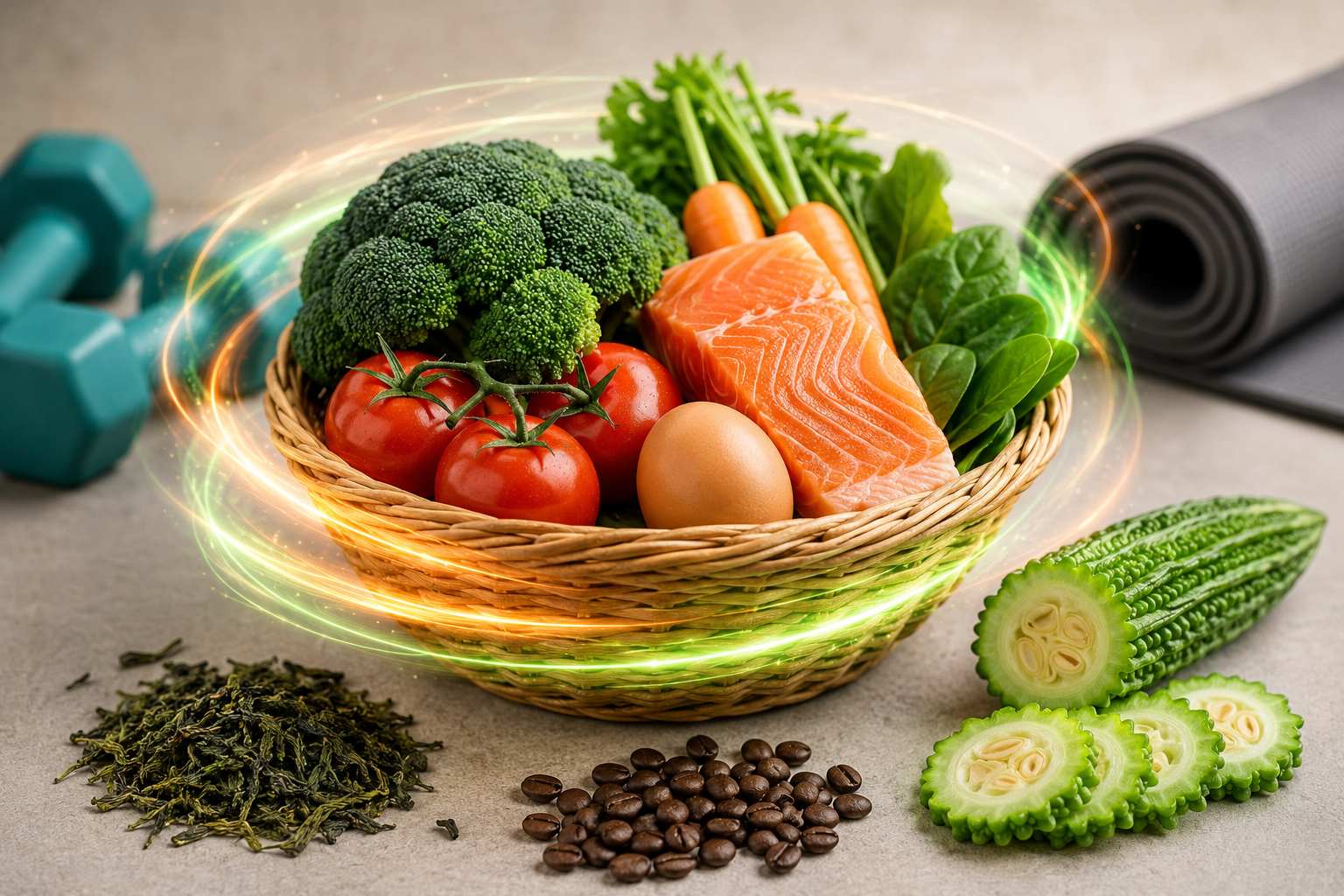



Dietary supplements against inflammation?
Inflammation is normally a natural defense reaction of the body. In the event of an injury or infection, the inflammatory reaction is vital for survival. Acute inflammation is usually short-lived and subsides quickly.
However, there is also chronic inflammation: this is not due to an acute threat and is often permanent. Chronic inflammation damages the entire body and increases the risk of many chronic diseases, such as autoimmune diseases, diabetes, cancer and cardiovascular disease.
The body needs nutrients to fight inflammation, so supplements can help fight chronic inflammation.
IT'S WORTH READING!
AT THE END OF THE ARTICLE WE HAVE PROVIDED YOU A VOUCHER CODE.
zinc
Zinc is known to be important for the immune system. But zinc not only strengthens the immune system, it also has a regulating effect on the immune system. Zinc therefore also has an anti-inflammatory effect and a good supply of zinc is important to counteract chronic inflammation. [1]
selenium
Selenium is an important antioxidant that helps reduce oxidative stress. Since oxidative stress is a major cause of silent inflammation, selenium can also counteract inflammation.
People with chronic inflammatory bowel disease and asthma often have low selenium levels. Studies show that selenium can reduce inflammation levels. A good supply of selenium can also help with asthma and intestinal inflammation. [2]
Vitamin C
Vitamin C is also an important antioxidant that counteracts chronic inflammation. Vitamin C supplementation can reduce inflammatory markers, especially when the markers are significantly elevated. [3]
OPC
Secondary plant substances also have a strong antioxidant and anti-inflammatory effect. One important group are polyphenols, which are found in berries and dark grapes, for example. Polyphenols are very promising when it comes to inflammatory diseases such as cardiovascular disease and inflammatory joint diseases.
Grape seeds are particularly rich in the so-called oligomeric proanthocyanidins (OPC) . [4]
Curcumin
Curcumin is extracted from turmeric, a ginger plant from South Asia. Curcumin has been used in traditional Chinese medicine for many years to treat many ailments.
It is particularly well-known for its antioxidant and anti-inflammatory effects. Curcumin can reduce inflammatory markers. [5]
There is also promising data on curcumin in inflammatory bowel and joint diseases. [6]
Omega-3 fatty acids
The omega-3 fatty acids eicosapentaenoic acid (EPA) and docosahexaenoic acid (DHA) have an anti-inflammatory effect. Omega-3 fatty acids are also essential. This means that the body cannot produce them itself and we have to consume them through food. Unfortunately, omega-3 fatty acids are often neglected in our diet.
People who are well supplied with omega-3 fatty acids have lower inflammatory markers. And supplementing with DHA and EPA can also reduce inflammation levels. [7]
Vitamin D
Vitamin D also affects the immune system in two ways. On the one hand, it is important for the immune system, and on the other hand, it has an anti-inflammatory effect.
Unfortunately, a vitamin D deficiency is very common. According to a study by the Robert Koch Institute, over 50% of Germans do not have sufficient vitamin D.
Vitamin D deficiency is strongly associated with increased inflammation levels. Conversely, vitamin D supplementation can reduce inflammatory markers. [8]
Conclusion: Dietary supplements can counteract inflammation
The body needs many nutrients to keep inflammation under control. A good supply of these nutrients is therefore important, especially if chronic inflammation is already present. Secondary plant substances can also reduce oxidative stress and inflammation.
WE HAVE PROVIDED YOU A 5 % VOUCHER FOR OUR OPC Premium , Vitamin C , Vitamin D (50ml) , Vitamin D (capsules) , Turmeric , Selenium Drops , Selenium Tablets , Zinc Drops and Omega-3 AND HOPE TO MAKE YOU JOY WITH IT.
SIMPLY COPY THE COUPON CODE ENTZÜNDUNG+V5 AND ENTER IT AT CHECKOUT.
To the products
[1] https://www.sciencedirect.com/science/article/pii/S2214647414000129
[2] https://pubmed.ncbi.nlm.nih.gov/28965605/
[3] https://www.sciencedirect.com/science/article/abs/pii/S0891584908005686?via%3Dihub
[4] https://www.ncbi.nlm.nih.gov/pmc/articles/PMC5381065/
[5] https://pubmed.ncbi.nlm.nih.gov/27392742/
[6] https://pubmed.ncbi.nlm.nih.gov/22407780/
[7] https://academic.oup.com/ajcn/article/104/2/280/4668547
[8] https://pubmed.ncbi.nlm.nih.gov/32113022/

Micronutrients in the treatment of diabetes
Diabetes is a widespread disease. Type 2 diabetes (so-called adult-onset diabetes) is particularly widespread and is becoming increasingly common.
Diet and lifestyle play an important role in the development of type 2 diabetes. Incorrect eating habits, especially excessive consumption of sugar and white flour, promote the development of diabetes. But the supply of essential nutrients - vitamins, minerals, trace elements and essential fatty acids - also appear to be involved in the development of diabetes. Dietary supplements with these nutrients can potentially support diabetes therapy.
IT'S WORTH READING!
AT THE END OF THE ARTICLE WE HAVE PROVIDED YOU A VOUCHER CODE.
magnesium
Magnesium is needed for the release of insulin from the pancreas. Magnesium deficiency is very common in diabetics and correlates with the severity of the disease. [1]
Studies show that magnesium can improve blood sugar control in diabetic patients.
Vitamin D
Vitamin D also plays a role in the release of vitamin D. It also helps counteract insulin resistance. [2]
Since vitamin D has anti-inflammatory effects, it can also reduce chronic inflammation, which is severe in type 2 diabetes and is responsible for the complications of diabetes.
chrome
Chromium is a trace element that is needed for the absorption of sugar into the cells.
Studies show that chromium can lower fasting and long-term blood sugar (HbA1c). [3]
zinc
Zinc is important for insulin production in the pancreas. Zinc also promotes the absorption of sugar into the cells.
Zinc is also a powerful antioxidant, counteracting oxidative stress and chronic inflammation associated with diabetes. [4]
Diabetics are significantly more likely to suffer from zinc deficiency than people without diabetes.
The administration of zinc can lower fasting and long-term blood sugar levels in diabetics.
B vitamins
B vitamins have important functions in sugar metabolism. Diabetic patients are often not well supplied with vitamin B1 and vitamin B6. [5] The diabetes drug metformin also promotes a deficiency in vitamin B12. [6]
Vitamin B6, folic acid (vitamin B9) and vitamin B12 are also needed to break down the toxic metabolite homocysteine. Diabetic patients often have elevated homocysteine levels, which can lead to vascular damage.
Alpha-lipoic acid
Alpha-lipoic acid is a very effective antioxidant. It reduces oxidative stress, which is responsible for many of the complications of diabetes. One important example is nerve damage (neuropathy). Alpha-lipoic acid is used to treat neuropathy in diabetes. [7]
Alpha-lipoic acid can also lower blood sugar.
Omega-3 fatty acids
Omega-3 fatty acids have an anti-inflammatory effect and thus counteract chronic inflammation in diabetes. Omega-3 fatty acids are also important for the nerves and can therefore probably support nerve health in diabetes. In addition, the administration of omega fatty acids can help to lower fasting and long-term blood sugar. [8]
When it comes to omega-3 supplements, it is important to ensure that they also contain high levels of the fatty acids eicosapentaenoic acid (EPA) and (docosahexaenoic acid) DHA. EPA has an anti-inflammatory effect, while DHA is needed for the nerves.
Conclusion: Micronutrients can support diabetes therapy
Many nutrients are involved in sugar metabolism and the effects of insulin. Other nutrients have an antioxidant and anti-inflammatory effect and can thus counteract the consequences of diabetes. Micronutrients also play a role in the treatment and prevention of nerve damage.
WE HAVE PROVIDED YOU WITH A 5 % VOUCHER FOR OUR Vitamin B complex , vitamin B complex forte , vitamin B12 ,magnesium , zinc and Omega-3 AND HOPE TO MAKE YOU PLEASANT WITH IT.
SIMPLY COPY THE COUPON CODE DIABETES+V5 AND ENTER IT AT CHECKOUT.
To the products
[1] https://pubmed.ncbi.nlm.nih.gov/22814841/
[2] https://pubmed.ncbi.nlm.nih.gov/28759943/
[3] https://www.ncbi.nlm.nih.gov/pmc/articles/PMC5009459/
[4] https://www.endocrine-abstracts.org/ea/0049/ea0049ep482
[5] https://pubmed.ncbi.nlm.nih.gov/22107884/
[6] https://www.ncbi.nlm.nih.gov/pmc/articles/PMC5591993/
[7] https://pubmed.ncbi.nlm.nih.gov/29517942/
[8] https://pubmed.ncbi.nlm.nih.gov/23900468/

Treating osteoporosis: Can micronutrients help?
Osteoporosis is a bone disease characterized by impaired bone metabolism. Bone substance is broken down, making bones break easily. Osteoporosis can also cause bone and joint pain and lead to skeletal deformation.
Osteoporosis is traditionally treated with exercise therapy and medication. Physical activity is important for bone preservation. In addition, active substances such as bisphosphonates, raloxifene, denosumab and teriparatide can reduce the loss of bone substance.
But micronutrients can also support the treatment of osteoporosis. Bones need various vitamins and minerals. If these are not present, osteoporosis is encouraged.
IT'S WORTH READING!
AT THE END OF THE ARTICLE WE HAVE PROVIDED YOU A SMALL GIFT.
The following nutrients are important for osteoporosis:
Calcium
Our bones consist largely of calcium . This mineral is therefore an important building substance for bones.
If the body does not have enough calcium, the bones become soft and unstable. In the worst case, they can break. A lack of calcium therefore leads to osteoporosis. [1]
Magnesium
Magnesium supports vitamin D in its function. [2] Therefore, a magnesium deficiency also promotes osteoporosis. Conversely, a high magnesium intake can counteract bone fractures and osteoporosis. [3]
Minerals and trace elements
In addition to calcium and magnesium, there are other minerals and trace elements that are important for bone health.
Boron reduces calcium loss through the kidneys. Boron is also needed for the production of vitamin D. [4]
Zinc , copper and manganese also appear to be able to counteract osteoporosis. This is at least suggested by a study in which the combined intake of these minerals together with calcium was able to delay the loss of bone mass.
B vitamins
Homocysteine is a toxic metabolic product that can damage blood vessels and bones. High homocysteine levels therefore increase the risk of osteoporosis and bone fractures. [5]
The body needs B vitamins to break down homocysteine: vitamin B2, vitamin B6, folic acid (vitamin B9) and vitamin B12 . Taking B vitamins can lower homocysteine levels and prevent bone fractures. [6]
Vitamin D
Vitamin D is important for the absorption of calcium in the intestine.
Unfortunately, a vitamin D deficiency is very common in Germany. According to a study by the Robert Koch Institute, over 50% of Germans do not have sufficient vitamin D.
Therefore, in addition to ensuring a sufficient supply of calcium, it is important to ensure an adequate vitamin D level. [7] Vitamin D is rarely found in food. The primary source of vitamin D is the sun: the skin can produce vitamin D itself when exposed to the sun.
Vitamin K2
Vitamin K2 is needed for the storage of calcium in the bones. Therefore, a lack of vitamin K2 promotes bone fractures and osteoporosis.
Conversely, studies show that taking vitamin K2 can reduce bone loss and fractures. [8]
Conclusion: Micronutrients support bone health
Nutrients such as vitamin D, vitamin K2, magnesium and calcium are essential for bone health. B vitamins can also help keep bone-damaging homocysteine low. People with osteoporosis or at increased risk of osteoporosis should pay particular attention to ensuring they have a good supply of these nutrients.
WE HAVE PROVIDED YOU A 5 % VOUCHER FOR OUR Vitamin B complex , vitamin b complex forte , vitamin b12 ,magnesium , zinc , calcium , zinc & copper , vitamin D (50ml) , vitamin D (capsules) , vitamin D3/K2 (50ml) , vitamin D3/K2 (capsules) , vitamin K2 (liquid) and vitamin K2 (capsules) AND HOPE TO MAKE YOU JOY WITH IT.
SIMPLY COPY THE COUPON CODE OSTEOPOROSE+V5 AND ENTER IT AT CHECKOUT.
To the products
[1] https://pubmed.ncbi.nlm.nih.gov/9263260/
[2] https://pubmed.ncbi.nlm.nih.gov/29480918/
[3] https://www.ncbi.nlm.nih.gov/pmc/articles/PMC3775240/
[4] https://pubmed.ncbi.nlm.nih.gov/27908411/
[5] https://pubmed.ncbi.nlm.nih.gov/15141042/
[6] https://www.ncbi.nlm.nih.gov/pmc/articles/PMC4415946/
[7] https://pubmed.ncbi.nlm.nih.gov/26510847/
[8] https://pubmed.ncbi.nlm.nih.gov/16801507/

Treat ADHD naturally with micronutrients
Attention deficit hyperactivity disorder (ADHD) is characterized by a lack of concentration and forgetfulness. People with ADHD are restless and very active, but at the same time have difficulty concentrating on one thing, are easily distracted and are impulsive.
ADHD is usually most obvious in school, as children with ADHD are very disruptive to lessons. ADHD often improves with age, but adults can also suffer from ADHD. However, the disorder is generally not as noticeable in these children, as they have learned to deal with it.
The cause of ADHD is not understood in detail. What is clear, however, is that ADHD is caused by problems with the transmission of signals between nerve cells. Signal transmission requires so-called neurotransmitters. In ADHD, the metabolism of the neurotransmitters dopamine and serotonin appears to be disturbed.
In the treatment of ADHD, medications are used that prolong the duration of action of the neurotransmitters dopamine and adrenaline, such as the active ingredient methylphenidate or amphetamines.
Although micronutrients are not used as standard in the treatment of ADHD, they show promising results. They offer hope for a natural ADHD treatment.
IT'S WORTH READING!
AT THE END OF THE ARTICLE WE HAVE PROVIDED YOU A VOUCHER CODE.
Omega-3 fatty acids
Omega-3 fatty acids are essential fatty acids that we must consume through our diet. The most important fatty acids for humans are 3-omega-3 fatty acids: alpha-linolenic acid (ALA), docosahexaenoic acid (DHA) and eicosapentaenoic acid (EPA).
ALA is only found in plant foods such as flaxseed and walnuts. EPA and DHA are only found in algae, fish and seafood. The marine omega-3 fatty acids EPA and DHA are very important for brain and nerve function. The body can convert plant ALA into the fatty acids DHA and EPA, but the conversion rate is very poor (usually less than 10%). That is why it is important that we consume not only plant ALA, but also omega-3 in the form of EPA and DHA in sufficient quantities.
Since DHA and EPA play such an important role in the brain, it is not surprising that these fatty acids are important for concentration and learning ability. People with ADHD are often not well supplied with omega-3. Studies show that omega-3 can improve ADHD symptoms. The amount of EPA is particularly important here. The anti-inflammatory effect of omega-3 probably also plays a role here. Inflammation in the brain appears to be involved in the development of ADHD.
Magnesium
Magnesium is important for the function of nerve cells. For example, it supports the function of the neurotransmitter serotonin.
A magnesium deficiency appears to promote the development of ADHD. Magnesium deficiency is widespread in the population, but people with ADHD are even more frequently affected.
Unfortunately, the administration of magnesium for ADHD has not yet shown any clear results. However, individual studies show positive data. The dosage and duration also seem to be important here. Magnesium only shows its effect after several weeks or months.
Zinc
Zinc has several important functions in the brain. Firstly, it is involved in the regulation of the neurotransmitter dopamine. Zinc also counteracts oxidative stress, which appears to promote the development of ADHD. Nerve cells are very sensitive to oxidative stress and are easily damaged as a result.
Children with ADHD have lower zinc levels than healthy children. There also seems to be a connection between zinc levels and the severity of symptoms.
Zinc supplementation can have positive effects on ADHD. This is particularly promising when zinc levels are low.
Vitamin B6
Vitamin B6 is also very important for nerve cells. It is important, for example, for the function of the neurotransmitters dopamine and serotonin. Vitamin B6 also supports the energy metabolism of nerve cells.
A lack of vitamin B6 is noticeable through poor short-term memory (which is also manifested by a lack of dream recall) and also promotes ADHD. Adults with ADHD are often affected by vitamin B6 deficiency and the extent of the deficiency is also crucial: the greater the vitamin B6 deficiency, the more pronounced the ADHD symptoms.
Initial studies show that taking vitamin B6 can alleviate ADHD symptoms. However, further studies are needed to clearly prove this.
Conclusion: Micronutrients can support the treatment of ADHD
People with ADHD are often affected by nutritional deficiencies. Since many vitamins, minerals and essential fatty acids are important for the functioning of the brain and nerves, certain deficiencies play a role in ADHD. In particular, the supply of omega-3 fatty acids, magnesium, zinc and vitamin B6 have an influence on the risk of ADHD. Conversely, the administration of these nutrients shows promising results, especially if a deficiency is present.
WE HAVE PROVIDED YOU WITH A 5 % VOUCHER FOR OUR Vitamin B complex , vitamin B complex forte ,magnesium , zinc and Omega-3 AND HOPE TO MAKE YOU PLEASANT WITH IT.
SIMPLY COPY THE COUPON CODE ADHS+V5 AND ENTER IT AT CHECKOUT.
To the products

Restless Legs Syndrome: These nutrients can help
People with restless legs syndrome have an insatiable urge to move their legs almost continuously. This is particularly stressful at night, as the constant leg movements prevent them from sleeping.
The causes of restless legs syndrome are not fully understood, but it is certain that it is a neurological disorder. The neurotransmitter dopamine appears to play a role in the development of the disease.
Patients with restless legs syndrome are often deprived of nutrients that are important for nerve function and healthy sleep. Correcting these deficiencies often produces promising results.
The following nutrients play a potential role in the development of restless legs syndrome:
IT'S WORTH READING!
AT THE END OF THE ARTICLE WE HAVE PROVIDED YOU A VOUCHER CODE.
Magnesium
Magnesium is very important for the functioning of muscles and nerves. It has an antispasmodic effect; a magnesium deficiency leads to the typical nighttime calf cramps. Magnesium is also important for sleep, as it is involved in the production of the sleep hormone melatonin.
Studies show that magnesium can have a positive effect on restless legs syndrome and has a positive effect on sleep quality. [1] , [2]
Iron
Iron has many functions in the body. It is not only important for the transport of oxygen in the blood, but also for brain and nerve function. Among other things, iron is needed for the formation of the neurotransmitter dopamine.
Too little dopamine in the brain is suspected to be involved in the development of restless legs syndrome. Therefore, a lack of iron could promote restless legs syndrome.
Iron deficiency does indeed appear to be a risk factor for restless legs syndrome. [3] Conversely, iron supplementation may alleviate symptoms in patients with low iron levels. [4] , [5]
Tryptophan
People with restless legs syndrome often suffer from sleep disorders, which contributes significantly to their suffering.
Tryptophan is an amino acid that is needed for the production of the sleep hormone melatonin. People with a poor tryptophan supply are more likely to suffer from sleep problems. [6]
Taking tryptophan can support melatonin production and thus improve sleep quality. [7]
Selenium
Selenium is an important antioxidant that protects cells from free radicals. It also protects nerve cells from oxidative damage. Oxidative stress in nerve cells can potentially impair the production of dopamine, which can promote restless legs syndrome.
Studies show that selenium deficiency is associated with an increased risk of restless legs syndrome. Some small studies suggest that selenium supplementation may help with restless legs syndrome. [8]
B vitamins
B vitamins are also known as nerve vitamins because they are essential for nerve function for many reasons. B vitamins are also needed for the production of the neurotransmitter dopamine.
The study situation is not entirely clear, but some patients with restless legs syndrome do not seem to be well supplied with folic acid (vitamin B9) and vitamin B12 .
Some studies show that supplementing with vitamin B12 and folic acid may relieve restless legs symptoms.
Conclusion: Nutrient deficiencies promote restless legs syndrome
Patients with restless legs syndrome are often not well supplied with iron, magnesium, B vitamins, selenium and tryptophan. These nutrients are important for nerve function and a deficiency can potentially affect restless legs syndrome. Sufferers should make sure they are well supplied with these nutrients.
WE HAVE PROVIDED YOU A 5 % VOUCHER FOR OUR vitamin B complex , vitamin B complex forte , vitamin B12 ,magnesium , L-tryptophan , selenium drops and selenium tablets , AND HOPE TO MAKE YOU PLEASURE WITH IT.
SIMPLY COPY THE COUPON CODE LEGS+V5 AND ENTER IT AT CHECKOUT.
To the products
[1] https://pubmed.ncbi.nlm.nih.gov/17557494/
[2] https://pubmed.ncbi.nlm.nih.gov/9703590/
[3] https://pubmed.ncbi.nlm.nih.gov/30062860/
[4] https://www.ncbi.nlm.nih.gov/pmc/articles/PMC5490383/
[5] https://pubmed.ncbi.nlm.nih.gov/24267148/
[6] https://pubmed.ncbi.nlm.nih.gov/2011617/
[7] https://www.researchgate.net/publication/41577516_Tryptophan_for_refractory_bipolar_spectrum_disorder_and_sleep-phase_delay
[8] https://www.ncbi.nlm.nih.gov/pmc/articles/PMC3372025/

Sun protection from within: These nutrients can protect against sunburn
If you want to protect yourself from the sun in summer, use sunscreen. It filters out UV rays and protects against sunburn.
However, sunscreen also contains many chemicals that are not necessarily harmless. In addition, excessive use of sunscreen hinders the production of vitamin D. This is a particular problem in Germany, as over 50% of Germans do not have sufficient vitamin D. [1 ]
But is sunscreen really the only way to protect yourself from the sun? Not at all! Not only our natural skin type, but also our diet and the nutrients it contains have an influence on how sensitive our skin is to light. However, it takes some time to build up this internal sun protection.
If you want to reduce your skin’s sensitivity to light, it’s best to start in winter.
IT'S WORTH READING!
AT THE END OF THE ARTICLE WE HAVE PROVIDED YOU A VOUCHER CODE.
The following nutrients can serve as internal sun protection:
Carotenoids
Carotenoids are secondary plant substances. The body can convert them into vitamin A.
Carotenoids are probably the best-known sun protection from within. They are found in many foods such as tomatoes and carrots. The body can store carotenoids in the skin, where they serve as a natural sun protection.
Regular consumption of tomato products, especially in concentrated form (e.g. tomato paste) can help build up sun protection from within. Carotenoids are particularly well absorbed when you consume them with a little fat.
Before your summer vacation, you can build up your natural sun protection in advance by taking beta-carotene capsules a few weeks beforehand. Astaxanthin , a carotenoid derived from the microalgae Haematococcus pluvialis , can also help protect the skin from the sun. [2] Astaxanthin also gives salmon its pink color.
Vitamin E
Vitamin E is an important antioxidant that can scavenge free radicals caused by UV radiation. Vitamin E can also be stored in the skin. Good sources of vitamin E are nuts and seeds, avocados and olive oil.
Vitamin C
Vitamin C is also an effective antioxidant that can protect the body from the sun from the inside out. [3] Vitamin C is found in abundance in many fruits and vegetables. Particularly good sources are peppers, black currants and kale. However, vitamin C is very sensitive to heat and a large part is lost during cooking. Around 25% of the population does not have an adequate supply of vitamin C.
Vitamin B3
Vitamin B3 can help quickly repair DNA damage caused by UV rays. [4] Fish, peanuts and meat are particularly good sources of vitamin B3.
Polyphenols
Polyphenols also provide natural sun protection and can protect the skin from the sun from the inside out.
Polyphenols are also secondary plant substances and are found in many foods. Dark chocolate, coffee, berries and green tea are particularly rich in polyphenols.
Grape seeds are a very good source of oligomeric proanthocyanidins (OPC) . Taking OPC for several weeks can improve sun protection. [5]
Omega-3 fatty acids
A diet rich in omega-3s can also help provide internal sun protection. [6] Omega-3 fatty acids also help minimize the inflammation that occurs with sunburn.
Conclusion: Sun protection from the inside can reduce photosensitivity
There are many nutrients that can be stored in the skin and improve sun protection. However, these do not give you a free pass for extensive sunbathing. Responsible use of the sun is important. People with light skin who burn easily in particular need to be careful not to spend too much time in direct sunlight. You should use spring to slowly build up sun protection and get your skin used to the sun again after winter.
WE HAVE PROVIDED YOU WITH A 5 % VOUCHER FOR OUR Astaxanthin , Vitamin B complex , Vitamin C and Omega-3 AND HOPE TO MAKE YOU JOY WITH IT.
SIMPLY COPY THE COUPON CODE SONNE+V5 AND ENTER IT AT CHECKOUT.
To the products
[1] https://www.rki.de/SharedDocs/FAQ/Vitamin_D/Vitamin_D_FAQ-Liste.html
[2] https://pubmed.ncbi.nlm.nih.gov/18803658/
[3] https://pubmed.ncbi.nlm.nih.gov/23689595/
[4] https://pubmed.ncbi.nlm.nih.gov/23891603/
[5] https://www.karger.com/Article/Abstract/96171
[6] https://onlinelibrary.wiley.com/doi/10.1111/j.1600-0625.2011.01294.x
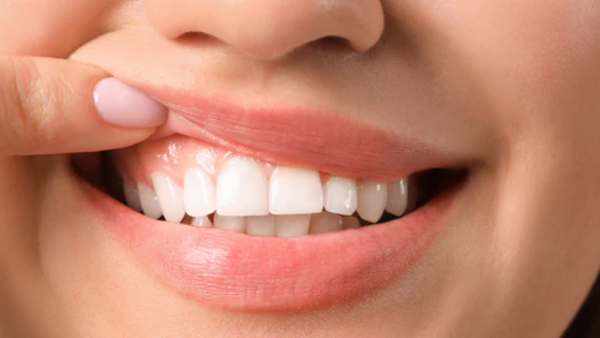
Home remedies for periodontitis: Support your gums with micronutrients
Periodontitis (also called periodontosis) is an inflammation of the tissue that holds the teeth in the jaw. Over time, this can lead to receding gums, which in the worst case can cause teeth to fall out. Periodontitis is caused by bacteria in the mouth, which form tartar and cause inflammation in the mouth.
The basis of periodontal treatment is good oral hygiene. Many people ask how they can support the health of their gums using home remedies. Micronutrients should not be missing.
IT'S WORTH READING!
AT THE END OF THE ARTICLE WE HAVE PROVIDED YOU A VOUCHER CODE.
The following nutrients are important for the health of teeth and gums:
Probiotics
Probiotics are bacteria that are beneficial to humans. They are usually known as intestinal bacteria, but beneficial bacteria in the mouth can also help to balance the oral flora. They can displace harmful bacteria in the mouth and thus also reduce plaque formation.
To improve the oral flora, lozenges containing probiotics such as Lactobacillus reuteri or Lactobacillus salivarus are used. [1] The consumption of fermented foods can also probably improve the oral flora.
Coenzyme Q10
Coenzyme Q10 is important for energy metabolism and also has antioxidant properties. Studies have shown that patients with periodontal disease have lower amounts of coenzyme Q10 in their gums than people with healthy gums.
Studies show that coenzyme Q10 can relieve gingivitis. [2] However, coenzyme Q10 was applied topically and it is not known whether similar effects can be achieved with oral administration.
Vitamin D
Vitamin D is produced when the skin comes into contact with sunlight. Unfortunately, vitamin D deficiency is widespread in Germany: according to a study by the Robert Koch Institute (RKI), over 50% of Germans do not have sufficient vitamin D.
Vitamin D is important for bone health and therefore also for teeth and jaw bones. Vitamin D also regulates the immune system and can thus possibly counteract gum inflammation. [3]
Calcium
Calcium is also important for bone health. Patients with periodontitis are often not well supplied with calcium. Studies suggest that calcium supplementation (in combination with vitamin D) can help with gum problems. [4]
Antioxidants Zinc & Selenium
Oxidative stress is associated with the formation of free radicals that damage cells and tissue. This damage in turn leads to inflammation. Oxidative stress also appears to be responsible for gingivitis.
Antioxidants capture free radicals and thus counteract oxidative stress.
Studies have shown that patients with periodontitis tend to have poor zinc and selenium intake. [5] These minerals are part of antioxidant enzymes that the body produces to fight free radicals.
Supplementation with zinc and selenium, however, can improve gingivitis.
Omega-3 fatty acids
Omega-3 fatty acids are among the essential fatty acids that we must consume through our diet. Due to their anti-inflammatory effects, they could prove useful in treating gingivitis.
Some studies show that this is indeed the case. [6] However, other studies have reached different conclusions. More research is needed to determine how helpful omega-3 fatty acids really are in improving dental health.
Vitamin C
Vitamin C can counteract gingivitis in several ways. First, vitamin C supports the immune system in the fight against plaque-forming, harmful bacteria.
In addition, vitamin C is an antioxidant that can counteract inflammation caused by oxidative stress.
Vitamin C also promotes the formation of collagen, the most important protein in connective tissue. The tissue that anchors teeth in the bones and gums is also made of collagen.
There are a few small studies that show that vitamin C can have a positive effect on gingivitis. [7] Especially in people who are not well supplied with vitamin C.
Conclusion: Nutrients are important for gums and teeth
The body needs numerous nutrients for optimal tooth and gum health. It is therefore not surprising that a lack of these nutrients promotes gum problems such as periodontitis. To have healthy gums, nutrient deficiencies should be avoided as much as possible. This of course also applies to general physical and mental health.
WE HAVE PROVIDED YOU WITH A 5 % VOUCHER FOR OUR Vitamin C , Vitamin D , Coenzyme Q10 , Calcium , Selenium Tablets , Zinc and Omega-3 AND HOPE THAT IT WILL MAKE YOU PLEASURE.
SIMPLY COPY THE COUPON CODE NÄHRSTOFFV5 AND ENTER IT AT CHECKOUT.
To the products
[1] https://pubmed.ncbi.nlm.nih.gov/22694350/
[2] https://pubmed.ncbi.nlm.nih.gov/23493408/
[3] https://www.ncbi.nlm.nih.gov/pmc/articles/PMC3170167/
[4] https://www.ncbi.nlm.nih.gov/pmc/articles/PMC3706188/
[5] https://pubmed.ncbi.nlm.nih.gov/27580897/
[6] https://www.tandfonline.com/doi/abs/10.1080/07315724.2017.1357509
[7] https://pubmed.ncbi.nlm.nih.gov/29757462/

Nutrient thieves: The contraceptive pill can promote these deficiencies
Table of contents
B vitamins
magnesium
zinc
selenium
Antioxidants: Vitamin E and Vitamin C
Conclusion: The pill can deprive the body of important nutrients
Millions of women take the pill, often for many years. The contraceptive pill has revolutionized sex life and unwanted pregnancies have become a rarity. Most women do not think about whether taking the pill long-term could be harmful.
In fact, the pill can cause many side effects such as listlessness, depression, and mood swings. It can even be responsible for migraines and high blood pressure .
One reason the pill can cause these side effects is because it interferes with the metabolism of many nutrients, thereby increasing the need for them. [1]
This is especially a problem for women who want to become pregnant after stopping taking the pill.
IT'S WORTH READING!
AT THE END OF THE ARTICLE WE HAVE PROVIDED YOU A VOUCHER CODE.
B vitamins
The pill can inhibit the absorption and metabolism of B vitamins . [2]
Folic acid is important for cell growth and division. A deficiency is therefore particularly noticeable during growth phases. During pregnancy, a folic acid deficiency leads to neural tube defects. For this reason, women who want to have children are advised to supplement with folic acid before pregnancy.
Vitamin B6 is involved in many metabolic processes. It is also very important for mental health because it is needed to produce the “happiness hormone” serotonin.
Vitamin B12, together with other B vitamins, plays an important role in homocysteine metabolism. Elevated homocysteine levels increase the risk of thrombosis, osteoporosis, stroke and pregnancy complications.
magnesium
The pill can disrupt magnesium metabolism and thus lead to low magnesium levels. [3] It is already difficult to meet magnesium requirements through food. Magnesium deficiency is therefore widespread. Long-term use of the pill can further increase the risk of deficiency .
Magnesium is also known as a master mineral because it is involved in over 300 enzyme reactions. It is particularly important for muscle and nerve function and for energy production.
zinc
The pill can reduce the absorption of zinc and thus promote a deficiency. [4]
Zinc is best known for being important for the immune system. Zinc is also important for wound healing and cell growth and is of great importance for fertility.
selenium
The pill can inhibit the absorption of selenium . [5]
Selenium is important for the function of the thyroid gland and is also an important free radical scavenger. Selenium also supports detoxification .
Germany is a selenium deficiency area. Many people are therefore not supplied with enough selenium. Taking the pill can further increase a selenium deficiency.
Antioxidants: Vitamin E and Vitamin C
The pill can interfere with the metabolism of vitamins C and E and thus reduce their bioavailability. [6]
These vitamins are two important antioxidants that protect the body from oxidative stress and free radicals.
A lack of vitamin C also increases the risk of infections, impairs wound healing and reduces the ability to produce the connective tissue protein collagen .
A vitamin E deficiency can cause circulatory disorders, lead to diseases of the retina (retinopathy) and impair reflexes.
Conclusion: The pill can deprive the body of important nutrients
The contraceptive pill steals nutrients. Long-term use can lead to a deficiency in many nutrients, which can cause health problems. This can be a major problem, especially for women who want to become pregnant after taking the pill for years, as these nutrients are important for fertility and during pregnancy. Women who take the pill should have their nutrient status checked regularly and supplement nutrients if necessary.
WE HAVE PROVIDED YOU A 5 % VOUCHER FOR OUR Vitamin C , Vitamin B complex , Vitamin B complex forte , Vitamin B12 , Selenium tablets ,Magnesium and Zinc AND HOPE TO MAKE YOU PLEASURE WITH IT.
SIMPLY COPY THE COUPON CODE NÄHRSTOFFV5 AND ENTER IT AT CHECKOUT.
To the products
[1] https://www.deutscher-apotheker-verlag.de/shop/produkt/9783804736252/arzneimittel-als-micronaehrstoff-raeuber
[2] https://pubmed.ncbi.nlm.nih.gov/6568271/
[3] https://pubmed.ncbi.nlm.nih.gov/4376539/
[4] https://pubmed.ncbi.nlm.nih.gov/19501214/
[5] https://pubmed.ncbi.nlm.nih.gov/19501214/
[6] https://www.nature.com/articles/238277a0

Hair loss: These vitamins help
Hair loss, which leads to thinning hair and possibly bald patches, is probably one of a woman's worst nightmares. But hair loss can also be stressful for men.
Hair loss can have many different causes: stress , an unbalanced hormone level, genetic predisposition, or a lack of vitamins and minerals.
The scalp, hair roots and hair require many essential nutrients, such as vitamins, minerals and trace elements . If just one of these nutrients is missing, hair growth can be impaired or hair loss can occur. A good supply of these nutrients can counteract hair loss in many cases.
IT'S WORTH READING!
AT THE END OF THE ARTICLE WE HAVE PROVIDED YOU A VOUCHER CODE.
The following nutrients are important for hair growth:
Biotin
Hair consists mainly of the protein keratin. Biotin is a B vitamin (vitamin B7) that is involved in the formation of protein and therefore also of keratin.
Biotin is also important for the skin’s moisture balance and can stimulate hair growth.
Biotin deficiency is not very common. But if biotin supply is not good, biotin supplementation can counteract hair loss. [1]
Zinc
Zinc is important for cell division. Since the cells of hair follicles divide quickly, they are particularly sensitive to zinc deficiency. If the cells can no longer divide as quickly due to zinc deficiency, hair falls out more easily.
Alopecia areata is associated with a zinc deficiency. Conversely, initial studies show that zinc supplementation could help with hair loss. [2] However, this needs to be confirmed by further studies.
L-Cysteine
L-cysteine is an amino acid and an important component of keratin. A few small studies suggest that L-cysteine may reduce hair loss. [3] However, more studies are needed to confirm this.
Iron
The cells of the hair follicles have to divide frequently and iron is needed for cell division. Iron deficiency is very common, especially in menstruating women. There is some evidence that there is a connection between iron deficiency and hair loss. [4] Apart from that, it is always a good idea to compensate for an iron deficiency.
Omega-3 fatty acids
Omega-3 fatty acids are important for moisturizing the hair and scalp. They also inhibit the enzyme that converts testosterone into DHT, which attacks the hair roots and can cause hair loss.
In a small study, omega-3 fatty acids in combination with omega-6 fatty acids and antioxidants were able to reduce hair loss.
Vitamin D
Vitamin D is important for the formation of vitamin D. In addition, vitamin D receptors are found in the hair roots, which indicates that vitamin D is important for hair growth.
Vitamin D deficiency is associated with hair loss. Conversely, small studies suggest that vitamin D supplementation may stimulate hair growth. [5] However, this remains to be confirmed.
However, vitamin D deficiency is very common in Germany and compensating for it is definitely advisable.
Antioxidants
Oxidative stress appears to promote hair loss: people with hair loss often have high levels of markers of oxidative stress.
Antioxidants such as vitamin C , vitamin E, copper and selenium can counteract oxidative stress and there is initial evidence that they could help with hair loss.
Silicon
Silicon is a mineral that is found primarily in skin, hair and nails. Silicon appears to be important for the stability of keratin.
In one study, silicon in combination with biotin and zinc was able to stimulate hair growth. [6]
Conclusion: Vitamins and minerals can help with hair loss
Hair loss can have many different causes. If it is due to a nutrient deficiency, targeted supplementation with nutrients important for hair growth can counteract hair loss.
WE HAVE PROVIDED YOU A 5 % VOUCHER FOR OUR Vitamin D (liquid) , Vitamin D (capsules) , selenium tablets , zinc, zinc & copper , vitamin B complex , vitamin B complex forte and Omega-3 AND HOPE TO MAKE YOU JOY WITH IT.
SIMPLY COPY THE COUPON CODE HAARE+V5 AND ENTER IT AT CHECKOUT.
To the products
[1] https://www.ncbi.nlm.nih.gov/pmc/articles/PMC5582478/
[2] https://pubmed.ncbi.nlm.nih.gov/20523772/
[3] https://pubmed.ncbi.nlm.nih.gov/2676911/
[4] https://pubmed.ncbi.nlm.nih.gov/14708596/
[5] https://www.ncbi.nlm.nih.gov/pmc/articles/PMC5751255/
[6] https://nutritionandmetabolism.biomedcentral.com/articles/10.1186/1743-7075-10-2


