




Latest posts
Magazine

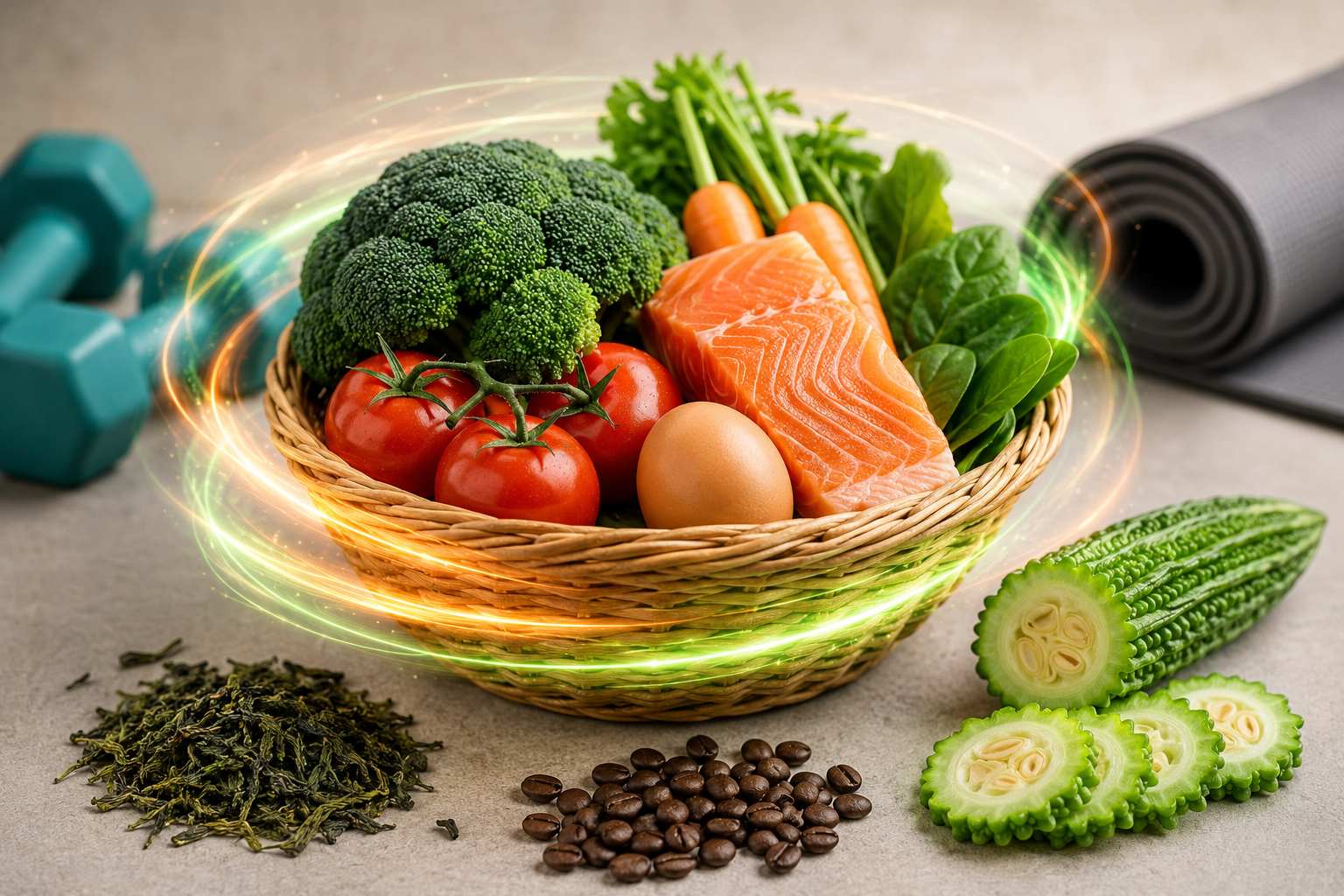



Can micronutrients relieve pain?
Many people suffer from pain on a regular basis. Pain can be a major burden in everyday life and severely limits the quality of life.
There are many different types and causes of pain. Pain usually occurs when tissue is damaged and serves as a warning signal. Once the trigger is removed and the injury heals, the pain usually subsides. But there is also chronic pain that lasts for a long time and the cause of which is often not easy to identify.
Pain is traditionally treated with painkillers such as non-steroidal anti-inflammatory drugs (NSAIDs), paracetamol and opioids.
When treating chronic pain, different painkillers are often combined. This makes the pain easier to control. However, this also results in significantly more side effects.
Micronutrients can complement pain therapy with medication. Many nutrients have an antispasmodic and anti-inflammatory effect or can influence the perception of pain.
IT'S WORTH READING!
AT THE END OF THE ARTICLE WE HAVE PROVIDED YOU A VOUCHER CODE.
B vitamins
B vitamins are also called nerve vitamins. For good reason. They are essential for the function of nerves and promote their regeneration. A deficiency in certain B vitamins can cause neuropathy, which leads to nerve pain.
Vitamin B1 has important functions in carbohydrate metabolism, which is important for energy production. Vitamin B1 can also suppress the transmission of impulses in nerve fibers, has an analgesic effect and increases pain tolerance. Vitamin B1 can be particularly helpful for chronic headaches and bone pain and neuralgia (nerve pain). [1]
Vitamin B3 has important functions in fat metabolism. In studies, high doses of vitamin B3 were able to alleviate neuralgia and neuropathy. [2]
Vitamin B6 is important for the synthesis of sphingosine (a component of the insulating myelin sheath). Vitamin B6 is also involved in the production of the happiness hormone serotonin, which can reduce the perception of pain.
Studies suggest that vitamin B6 may improve tolerance to drug withdrawal in chronic pain. [3]
Vitamin B12 is important for nerve regeneration. It is needed for the synthesis of myelin. Vitamin B12 can help with neuropathic pain and sensory disorders, especially when these are due to a vitamin B12 deficiency. [4]
Vitamin C
Vitamin C has an analgesic effect in high doses. It acts on the neurotransmitters dopamine and glutamine, which play an important role in pain perception. Studies have shown an analgesic effect on tooth, bone, back and tumor pain. [5]
Tryptophan
The amino acid tryptophan serves as a building block for the production of serotonin. It can raise the pain tolerance threshold in chronic pain. [6] However, caution is advised when taking morphine, as tryptophan can reduce its effect.
Omega-3
Omega-3 fatty acids have an anti-inflammatory effect. Since inflammatory reactions play an important role in many types of pain, they can counteract pain in this way.
In one study, omega-3 was able to reduce the frequency and intensity of headaches in subjects with treatment-resistant migraines. [7]
MSM
Methylsulfonylmethane (MSM, also called organic sulfur) has anti-inflammatory and analgesic effects. In one study, MSM was able to relieve osteoarthritis pain. [8]
magnesium
Magnesium can increase the seizure threshold and has a vasorelaxing effect. There is evidence of a connection between premenstrual migraine headaches and low magnesium levels.
selenium
Selenium is important for the body's antioxidant protection system. It appears to play a role in inflammatory joint diseases, as well as cancer, bone, back and tooth pain. [9]
Inadequate selenium intake is also associated with muscle pain. This is particularly relevant in Germany, as it is considered a selenium deficiency area and selenium deficiency is widespread.
Conclusion: Micronutrients can support pain therapy
Nerve cells require many nutrients to function optimally. B vitamins are particularly important for function and regeneration. Nutrients are also needed for the production of neurotransmitters that influence pain perception. Pain is often caused by inflammation and many nutrients have an anti-inflammatory effect.
WE HAVE YOU 5 % VOUCHER FOR OUR
Vitamin C , Vitamin B complex , Vitamin B12 ,Magnesium , Selenium drops , Selenium tablets , MSM , L-tryptophan and Omega-3
PROVIDED AND HOPE TO BRING YOU JOY WITH IT.
SIMPLY COPY THE FOLLOWING COUPON CODE
AND ENTER IT AT CHECKOUT:
SCHMERZ+V5
To the products
[1] https://pubmed.ncbi.nlm.nih.gov/3516138/
[2] https://www.revclinesp.es/es-tratamiento-da-nevralgia-do-trigemio-articulo-X0014256542134727
[3] https://pubmed.ncbi.nlm.nih.gov/2162644/
[4] https://pubmed.ncbi.nlm.nih.gov/13131878/
[5] https://pubmed.ncbi.nlm.nih.gov/582875/
[6] https://pubmed.ncbi.nlm.nih.gov/6764935/
[7] https://pubmed.ncbi.nlm.nih.gov/28056704/
[8] https://bmccomplementmedtherapies.biomedcentral.com/articles/10.1186/1472-6882-11-50
[9] https://www.cochranelibrary.com/central/doi/10.1002/central/CN-00350837/full

Cataracts: What micronutrients can do
Cataracts cause the lens of the eye to become cloudy, causing visual impairment. In the late stages, blindness can occur.
In cataracts, the protein structures in the eye change, causing them to become denser. The lens becomes cloudy and the visual process is impaired. Objects are no longer perceived as clearly.
Cataracts develop slowly, usually over decades. In the beginning, no problems are usually noticed, but over time, vision deteriorates more and more. It is often only diagnosed in people over 60.
In addition to age, certain medications (e.g. medications containing cortisone), chemotherapy, diabetes, smoking and frequent exposure to strong UV radiation can promote the development of cataracts.
Cataracts are considered incurable and can currently only be treated surgically. The clouded lens of the eye is replaced with an artificial lens.
Micronutrients can help with cataracts and may even prevent the disease.
IT'S WORTH READING!
AT THE END OF THE ARTICLE WE HAVE PROVIDED YOU A VOUCHER CODE.
Antioxidants
Oxidative stress is caused by free radicals and can damage the lens of the eye. Eyes are particularly susceptible to oxidative stress due to UV radiation. Antioxidants capture free radicals and thus help to protect the eyes from oxidative stress caused by UV light.
The antioxidants vitamin A, vitamin C and vitamin E have been shown to be helpful in the treatment of cataracts. [1] Carotenoids and other phytochemicals such as OPC and green tea extract can also help reduce oxidative stress in the eye. [2]
B vitamins
The protein structures in the eye require B vitamins. In addition, high homocysteine levels can damage the eye and promote cataracts. Homocysteine is a toxic metabolic product that is broken down by B vitamins . The B vitamins vitamin B6, folic acid (vitamin B9) and vitamin B12 are particularly important here. Studies indicate that B vitamins can prevent cataracts. [3] [4]
Omega-3 fatty acids
Omega-3 fatty acids are a component of cell membranes and also play an important role in the cells of the eyes, especially the retina. The omega-3 fatty acid DHA is important for the visual process and for light-dark vision.
In addition, omega-3 fatty acids can counteract dry eyes because they can positively influence the composition of the tear film. [5] [6] Patients often suffer from dry eye syndrome after cataract surgery.
Conclusion: Micronutrients can support cataracts
Oxidative stress caused by UV light appears to play an important role in the development of cataracts. Antioxidants such as vitamin A, vitamin C and vitamin E as well as secondary plant substances can protect the eye from oxidative stress. In addition, high homocysteine levels caused by a lack of B vitamins can damage the eye. Omega-3 fatty acids are essential for the eye and can counteract dry eye syndrome after surgery.
WE HAVE PROVIDED YOU WITH A 5 % VOUCHER FOR OUR Vitamin C , Astaxanthin , OPC Premium , Liposomal OPC , Vitamin B complex Forte and Omega-3 AND HOPE TO MAKE YOU JOY WITH IT.
SIMPLY COPY THE COUPON CODE STAR+V5 AND ENTER IT AT CHECKOUT.
To the products
[1] https://link.springer.com/article/10.1007/s00347-003-0788-0
[2] https://pubmed.ncbi.nlm.nih.gov/28628342/
[3] https://pubmed.ncbi.nlm.nih.gov/26786311/
[4] https://www.ncbi.nlm.nih.gov/pubmed/28820082
[5] https://www.ncbi.nlm.nih.gov/books/NBK11888/
[6] https://www.ncbi.nlm.nih.gov/pmc/articles/PMC5362390/

Micronutrients in age-related macular degeneration
In macular degeneration, waste products build up in the retina of the eye. Vision deteriorates and, in the worst case, macular degeneration can lead to blindness.
The causes of macular degeneration are not well understood. What is certain is that advancing age greatly increases the risk of macular degeneration. Light skin and blue or green eyes also seem to increase the risk of macular degeneration. Diet also plays a role in macular degeneration. Smoking, diabetes and high blood pressure also increase the risk of macular degeneration.
Micronutrients can counteract oxidative stress in the eye, which promotes the development and progression of macular degeneration.
IT'S WORTH READING!
AT THE END OF THE ARTICLE WE HAVE PROVIDED YOU A VOUCHER CODE.
Vitamin C
Vitamin C is an important antioxidant that can protect the eyes from oxidative stress. In macular degeneration, it is particularly effective in combination with vitamin E, carotenoids and zinc. [1]
Carotenoids
When UV light enters the eye, free radicals are created that cause oxidative stress. Oxidative stress appears to play an important role in the development of macular degeneration.
Carotenoids such as beta-carotene, lutein and zeaxanthin scavenge free radicals and thus protect the eyes from oxidative stress. Lutein and zeaxanthin can also scavenge UV light and thus offer further protection.
People who have a lot of lutein and zeaxanthin in their diet have a lower risk of macular degeneration. [2]
Zinc and copper
Zinc can also scavenge free radicals and thus reduce oxidative stress in the eye. It also has anti-inflammatory properties. In this way, zinc can probably counteract chronic inflammation in the eye that promotes macular degeneration.
People with macular degeneration are often not well supplied with zinc. [3] Conversely, taking zinc can slow the progression of macular degeneration. [4]
Coenzyme Q10
The body also has its own antioxidants that it can produce itself. These include coenzyme Q10 . Coenzyme Q10 is also important for energy metabolism and can help regenerate other antioxidants such as vitamin C and vitamin E.
However, the body’s own production of coenzyme Q10 decreases sharply with age.
In one study, coenzyme Q10 in combination with L-carnitine and omega-3 fatty acids was able to improve vision in macular degeneration. [5]
L-Carnitine
The body can also produce L-carnitine from methionine and lysine. It also has antioxidant properties and is important for energy production in the mitochondria, the power plants of the cell.
Omega-3 fatty acids
Omega-3 fatty acids are a component of cell membranes and are also found in the cells of the retina. Since the retinal cells renew themselves frequently, they require a particularly high amount of omega-3.
However, studies have provided conflicting results on whether omega-3 fatty acids can actually help with macular degeneration. [6] Since omega-3 fatty acids are essential and most people do not consume enough of them through their diet, it is always a good idea to ensure a good supply of omega-3 fatty acids.
Conclusion: Nutrients protect the eyes from oxidative stress
Oxidative stress caused by free radicals plays an important role in the development of macular degeneration. Since the eye is constantly exposed to UV light, it is at high risk for oxidative stress. Antioxidants such as beta-carotenoids, zinc, vitamin E, vitamin C, as well as the body's own antioxidants protect the eye from oxidative stress and can thus counteract macular degeneration.
WE HAVE PROVIDED YOU WITH A 5 % VOUCHER FOR OUR Vitamin C , Astaxanthin , Zinc & Copper , Coenzyme Q10 , L-Carnitine and Omega-3 AND HOPE TO MAKE YOU JOY WITH IT.
SIMPLY COPY THE COUPON CODE MAKULA+V5 AND ENTER IT AT CHECKOUT.
To the products
[1] https://www.ncbi.nlm.nih.gov/pmc/articles/PMC1462955/
[2] https://www.ncbi.nlm.nih.gov/pmc/articles/PMC4636082/
[3] https://pubmed.ncbi.nlm.nih.gov/18848316/
[4] https://pubmed.ncbi.nlm.nih.gov/25393287/
[5] https://pubmed.ncbi.nlm.nih.gov/15947501/
[6] https://www.karger.com/Article/FullText/441359
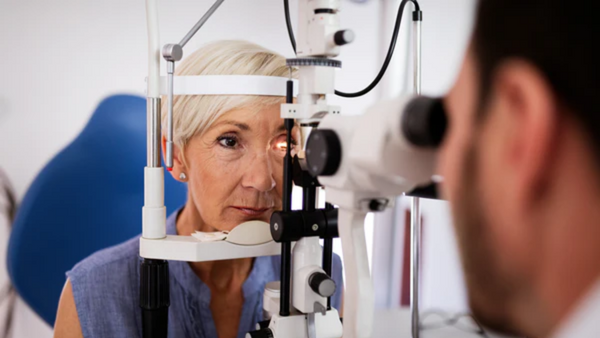
Glaucoma: What micronutrients can do
Glaucoma is a disease that often occurs in old age. In glaucoma, the pressure inside the eye is too high, which damages the optic nerve. As a result, the field of vision is restricted and in the late stages it can even lead to blindness.
The inside of the eye is filled with aqueous humor. In glaucoma, the aqueous humor cannot drain properly, which increases the pressure and, as a result, damages the optic nerve.
Eye drops are used to treat glaucoma. Their active ingredients inhibit the production of aqueous humor or ensure that it can drain more easily.
Micronutrients can support the treatment of glaucoma.
IT'S WORTH READING!
AT THE END OF THE ARTICLE WE HAVE PROVIDED YOU A VOUCHER CODE.
Magnesium
Magnesium is important for blood pressure regulation and also promotes blood circulation. Magnesium can therefore support the drainage of aqueous humor, which can reduce intraocular pressure. [1] , [2]
Omega-3 fatty acids
Omega-3 fatty acids are part of nerve cell membranes and therefore also of the optic nerve. Omega-3 fatty acids can also promote blood circulation and reduce oxidative stress. [3]
B vitamins
B vitamins are also known as nerve vitamins because they are essential for nerve function. In addition, vitamin B6, folic acid (vitamin B9) and vitamin B12 are needed for the detoxification of homocysteine. If there is a deficiency, homocysteine increases, which can damage nerve cells and also the optic nerve. [4] [5]
Patients with glaucoma often have elevated homocysteine levels.
Vitamin A
Vitamin A is essential for the process of vision. It ensures that the eye can perceive light stimuli. Night blindness is an early symptom of vitamin A deficiency.
A good supply of vitamin A can reduce the risk of developing cataracts. [6] Since vitamin A is an antioxidant, it can also protect the optic nerve from damage caused by free radicals.
Arginine
The amino acid arginine is needed for the formation of nitric oxide (NO). NO is important for vascular health because it causes the vessels to expand. In glaucoma, arginine can therefore improve blood flow in the eye, allowing the aqueous humor to drain better.
Initial studies suggest that arginine can actually reduce intraocular pressure in patients with glaucoma. [7]
Antioxidants
Patients with glaucoma often have increased oxidative stress. [8] , [9] In addition to vitamin A, vitamin E, vitamin C , zinc and selenium are important antioxidants in the body. They can help protect the optic nerve from oxidative stress. [10]
Conclusion: Micronutrients can support the treatment of glaucoma
Micronutrients can positively influence the treatment of glaucoma in several ways. They can increase blood flow in the eye, which allows the aqueous humor to drain better. In addition, good blood flow is important for the supply of nutrients to the eye. Micronutrients can also help protect the optic nerve from further damage.
WE HAVE PROVIDED YOU WITH A 5 % VOUCHER FOR OUR Vitamin B complex forte ,Magnesium , Vitamin C and Omega-3 AND HOPE TO MAKE YOU PLEASURE WITH IT.
SIMPLY COPY THE COUPON CODE AUGE+V5 AND ENTER IT AT CHECKOUT.
To the products
[1] https://pubmed.ncbi.nlm.nih.gov/24233809/
[2] https://pubmed.ncbi.nlm.nih.gov/19882529/
[3] https://www.ncbi.nlm.nih.gov/pmc/articles/PMC5931260/
[4] https://pubmed.ncbi.nlm.nih.gov/24699833/
[5] https://pubmed.ncbi.nlm.nih.gov/22134713/
[6] https://www.sciencedirect.com/science/article/pii/S0181551222000419
[7] https://pubmed.ncbi.nlm.nih.gov/10980664/
[8] https://pubmed.ncbi.nlm.nih.gov/23651069/
[9] https://pubmed.ncbi.nlm.nih.gov/25987108/

Micronutrients for cardiac arrhythmias: These nutrients should not be missing
In a healthy person, the heart beats about 60-100 times per minute in a regular rhythm. In the case of a cardiac arrhythmia, the heartbeat is either too fast, too slow or irregular.
Cardiac arrhythmias can have various causes. However, they are often associated with heart diseases that lead to cardiac arrhythmias.
The most common form of cardiac arrhythmia is atrial fibrillation: In atrial fibrillation, the heart chambers no longer contract in the correct rhythm. As a result, the heart beats too fast but still pumps too little blood.
IT'S WORTH READING!
AT THE END OF THE ARTICLE WE HAVE PROVIDED YOU A VOUCHER CODE.
In the case of cardiac arrhythmia, the transmission of signals in the heart is disrupted. It often occurs together with other heart diseases, such as myocarditis, heart failure and high blood pressure.
Symptoms of cardiac arrhythmias include fatigue, lack of energy, rapid heartbeat, shortness of breath, irregular pulse, dizziness and nausea. However, they can also go unnoticed.
Cardiac arrhythmias are treated with beta-blockers, potassium channel blockers, calcium antagonists and sodium channel blockers. Anticoagulant agents are often also used.
Nutrients that are important for the heart and are needed for signal transmission in the heart can support treatment.
Coenzyme Q10
Coenzyme Q10 is important for energy production in the mitochondria, the power plants of our cells. Since the heart beats around the clock, it needs a lot of energy.
In addition, coenzyme Q10 is an antioxidant that protects against oxidative stress and the resulting inflammation. Inflammatory reactions can promote cardiac arrhythmias.
The body can produce coenzyme Q10 itself, but production decreases significantly with age.
Supplementation with coenzyme Q10 can reduce the risk of atrial fibrillation in patients with heart failure. [1]
Magnesium
Magnesium is essential for the heartbeat. It is needed for signal transmission that causes the heart muscle to contract. A magnesium deficiency leads to changes in the excitability of the heart muscle cells, which can lead to cardiac arrhythmias.
Heart disease is associated with a magnesium deficiency. Magnesium can prevent and alleviate cardiac arrhythmias. [2] [3]
L-Carnitine
L-carnitine is an amino acid-like compound that is important for energy production: it is needed to transport fatty acids into the mitochondria, where fat is converted into energy.
But L-carnitine doesn't just supply the heart with energy. It also reduces oxidative stress and thus protects the heart from free radicals that can damage the heart muscle.
Although L-carnitine has not been directly studied in cardiac arrhythmias, its cardioprotective effects are well known. [4] It may help with many heart conditions that increase the risk of cardiac arrhythmias. [5] Studies suggest that L-carnitine may reduce the rate of cardiac arrhythmias after a heart attack or bypass surgery.
Potassium
Similar to magnesium, potassium is also important for signal transmission in the heart. Cardiac arrhythmia is a well-known symptom of potassium deficiency. [6]
The effectiveness of potassium in treating cardiac arrhythmias has not been well studied. However, potassium can help with other cardiovascular problems. It can lower blood pressure and reduce the risk of stroke.
If you have cardiac arrhythmias, your potassium supply should be checked. Supplementation is only recommended if your potassium level is low, as an overdose can also cause cardiac arrhythmias.
Omega-3 fatty acids
Omega-3 fatty acids are good for the heart. Due to their anti-inflammatory effect, they protect the heart muscles from inflammation. They also have a blood-thinning effect, making it easier for the heart to pump blood through the body. It is also believed that omega fatty acids can stabilize heart muscle cells.
It has been well researched that omega-3 fatty acids can support heart health. [7] Although the data on cardiac arrhythmias are conflicting, a good supply of omega-3 fatty acids is generally recommended.
Conclusion: Nutrient deficiencies can promote cardiac arrhythmias
The heart needs many nutrients to function optimally. If individual nutrients are lacking, heart problems are encouraged. A lack of nutrients that are important for energy production and signal transmission in the heart can increase the risk of cardiac arrhythmia. Particularly critical nutrients are magnesium, potassium, coenzyme Q10 and L-carnitine.
WE HAVE PROVIDED YOU WITH A 5 % VOUCHER FOR OUR Coenzyme Q10 ,Magnesium , L-Carnitine , Potassium and Omega-3 AND HOPE TO MAKE YOU JOY WITH IT.
SIMPLY COPY THE COUPON CODE HERZ+V5 AND ENTER IT AT CHECKOUT.
To the products
[1] https://journals.viamedica.pl/cardiology_journal/article/view/CJ.a2019.0022/47605
[2] https://pubmed.ncbi.nlm.nih.gov/27634841/
[3] https://pubmed.ncbi.nlm.nih.gov/16870070/
[4] https://pubmed.ncbi.nlm.nih.gov/28982550/
[5] https://pubmed.ncbi.nlm.nih.gov/23597877/
[6] https://www.ncbi.nlm.nih.gov/pmc/articles/PMC4816263/
[7] https://www.ncbi.nlm.nih.gov/pmc/articles/PMC3399517/pdf/nihms385378.pdf

Tinnitus & sudden hearing loss: Can micronutrients help?
Tinnitus is the perception of sounds that do not exist. They are usually ringing, whistling or hissing sounds.
A distinction is made between acute and chronic tinnitus: acute tinnitus lasts up to three months, while tinnitus that lasts longer is called chronic. Tinnitus can severely impair quality of life, cause sleep disorders and even promote depression.
In the case of sudden hearing loss, the sound waves reach the inner ear, but they are not processed properly and therefore not perceived. Sudden hearing loss usually occurs on one side. In many cases, it is accompanied by tinnitus.
The causes of tinnitus and sudden hearing loss are not clearly understood. The symptoms usually disappear spontaneously, which makes it difficult to determine the cause.
The aim of micronutrient medicine is to support the function of the auditory nerves and to protect them from harmful influences.
IT'S WORTH READING:
WE HAVE CREATED A DISCOUNT CODE FOR YOU ON THE PRODUCTS OF THIS ARTICLE OFFERED IN THE SHOP. YOU CAN FIND IT AT THE END OF THE BLOG POST.
Antioxidants
Sudden hearing loss and tinnitus are caused by oxidative damage to the nerve cells in the ear. A good supply of antioxidants such as vitamin A, vitamin C , vitamin E and zinc is important to counteract this. [1]
A study from the USA has shown that people who consume plenty of antioxidant nutrients have a lower risk of hearing loss. [2]
Intervention studies also show that the administration of the antioxidants vitamin C and E can improve hearing. [3]
magnesium
Magnesium is important for signal transmission in the hearing process. It is known that a magnesium deficiency can cause hearing problems. [4]
There is also a connection between magnesium deficiency and tinnitus: people with tinnitus are less well supplied with magnesium than people without these complaints.
Placebo-controlled studies show that magnesium supplementation can help with hearing loss and reduce tinnitus symptoms. [5] [6]
B vitamins
Vitamin B12 is essential for nerve cells. A lack of vitamin B12 can cause irreparable nerve damage. Vitamin B12 is therefore also important for auditory nerves.
The B vitamins vitamin B6, folic acid (vitamin B9) and vitamin B12 are also needed to break down the metabolic product homocysteine. A deficiency in these vitamins leads to increased homocysteine levels, which can damage nerve cells. [7]
Coenzyme Q10
Coenzyme Q10 is important for energy production in the mitochondria, the power plants of our cells. Auditory nerves also need coenzyme Q10. Coenzyme Q10 is also an antioxidant that protects nerve cells from oxidative stress.
A study has shown that coenzyme Q10 can relieve tinnitus symptoms. Coenzyme Q10 can also have a positive effect on sudden hearing loss. [8]
Conclusion: A lack of essential nutrients damages the auditory nerves
Nerve cells and auditory nerves require many nutrients to function optimally. A lack of B vitamins, magnesium, coenzyme Q10 and antioxidants can impair the hearing process and promote sudden hearing loss and tinnitus.
As promised, you will receive a 5% voucher on the following products:
Vitamin B complex , Vitamin B complex Forte , Vitamin B12 , Vitamin C , Coenzyme Q10 ,Magnesium , Zinc
Simply copy the code TINNITUS5 and enter it at checkout.
To the products!
[1] https://pubmed.ncbi.nlm.nih.gov/25554004/
[2] https://pubmed.ncbi.nlm.nih.gov/24196403/
[3] https://pubmed.ncbi.nlm.nih.gov/17851951/
[4] https://pubmed.ncbi.nlm.nih.gov/15267180/
[5] https://pubmed.ncbi.nlm.nih.gov/22249877/
[6] https://www.ncbi.nlm.nih.gov/pubmed/15330150
[7] https://pubmed.ncbi.nlm.nih.gov/15267180/
[8] https://www.ncbi.nlm.nih.gov/pubmed/21199410

Nutrients against wrinkles?
Table of contents
Vitamin A
Coenzyme Q10
Vitamin E
OPC
Vitamin C
zinc
Collagen
MSM
Hyaluronic acid
Carotenoids
Conclusion: Nutrients can help reduce wrinkles as we age
The formation of wrinkles as we age is a natural process. An important reason for the formation of wrinkles is the decrease in collagen in the skin.
There are many factors that promote the formation of wrinkles. These include stress, UV light, smoking and alcohol consumption. Hormonal processes also play a role.
Micronutrients can help slow down this natural process. The skin needs lots of vitamins and minerals. A good supply can support skin health.
IT'S WORTH READING!
AT THE END OF THE ARTICLE WE HAVE PROVIDED YOU A VOUCHER CODE.
Vitamin A
Vitamin A has important functions in building the skin structure. It also promotes the skin's regeneration processes and can visibly improve the smoothness of the skin. Vitamin A also stimulates the formation of collagen - the most important protein in connective tissue, as it gives the skin elasticity. [1]
Coenzyme Q10
Coenzyme Q10 is important for energy production in cells. It is necessary for the function of many enzymes in the mitochondria, the power plants of our cells. Coenzyme Q10 is also a radical scavenger that captures free radicals.
Studies show that coenzyme Q10 can increase skin elasticity and make it appear smoother. [2]
Vitamin E
Vitamin E has many functions in the skin: it can improve moisture, increase skin thickness and increase protection against UV light. Vitamin E is also an important antioxidant and has anti-inflammatory effects. [3]
OPC
Oligomeric proanthocyanidins (OPC) are flavonoids and are very rich in antioxidants that counteract oxidative stress. OPC can protect the skin from sun damage and reduce sunburn. [4]
Vitamin C
Vitamin C can stimulate collagen production and thus indirectly increase the elasticity of the skin. It can also increase protection against UV rays. [5]
zinc
Zinc supports the function of enzymes that fight free radicals. [6]
Collagen
Collagen is the most common protein in the body and an important component of connective tissue. The body can produce collagen itself, but production decreases significantly with age. This is probably one reason why skin looks less youthful as we age.
Collagen has been shown to improve skin moisture and elasticity. [7] [8]
MSM
Methylsulfonylmethane (MSM) is an important source of sulfur. Sulfur is needed for connective tissue – it is an important component of collagen and keratin. MSM can improve the appearance and firmness of the skin. [9]
Hyaluronic acid
Hyaluronic acid contains glucosamine, which is an important component of connective tissue. Taking glucosamine can increase the elasticity of the skin. [10] [11]
Carotenoids
Carotenoids are secondary plant substances that can capture free radicals. They are deposited in the skin and can increase protection against UV radiation. [12] [13]
Conclusion: Nutrients can help reduce wrinkles as we age
Wrinkles are part of the aging process and cannot be completely prevented. However, micronutrients can support processes that are important for the elasticity, moisture and youthful appearance of the skin.
WE HAVE PROVIDED YOU A 5 % VOUCHER FOR OUR Coenzyme Q10 , OPC , Vitamin C , Zinc , Collagen , MSM , Hyaluron and Astaxanthin AND HOPE TO MAKE YOU JOY WITH IT.
SIMPLY COPY THE COUPON CODE ANTIAGING+V5 AND ENTER IT AT CHECKOUT.
To the products
[1] https://www.ncbi.nlm.nih.gov/pmc/articles/PMC2699641/
[2] https://pubmed.ncbi.nlm.nih.gov/19096121/
[3] https://pubmed.ncbi.nlm.nih.gov/27559512/
[4] http://oxiprovin.com/wp-content/uploads/2016/08/GSE-anti-inflammatory-skin-UV-damage-and-hydration-study.pdf
[5] https://pubmed.ncbi.nlm.nih.gov/28805671/
[6] https://pubmed.ncbi.nlm.nih.gov/22453589/
[7] https://www.ncbi.nlm.nih.gov/pmc/articles/PMC3426261/
[8] https://www.jmnn.org/article.asp?issn=2278-1870;year=2015;volume=4;issue=1;spage=47;epage=53;aulast=Borumand
[9] https://www.naturalmedicinejournal.com/journal/effects-oral-supplementation-methylsulfonylmethane-skin-health-and-wrinkle-reduction
[10] https://pubmed.ncbi.nlm.nih.gov/17716251/
[11] https://www.ncbi.nlm.nih.gov/pmc/articles/PMC5522662/
[12] https://www.jmnn.org/article.asp?issn=2278-1870;year=2015;volume=4;issue=1;spage=47;epage=53;aulast=Borumand
[13] https://pubmed.ncbi.nlm.nih.gov/28805671/

Stay healthy during the Easter season: Here's how!
Table of contents
1) Take your time to cook
2) Sweets for dessert and with dark chocolate
3) Take a digestive walk after eating
4) Traditionally dye, hide & eat eggs
Conclusion: Easter can easily be made healthy
Germans gain an average of two kilograms at Easter. This is no wonder, as at Easter there are plenty of chocolate bunnies and eggs, pastries and many other sweets.
Easter traditionally commemorates the resurrection of Jesus Christ. It also marks the end of the 40-day Lent, which begins on Ash Wednesday.
There are good reasons to celebrate and feast at Easter. With our tips, you can make Easter healthy without having to go without.
IT'S WORTH READING!
AT THE END OF THE ARTICLE WE HAVE PROVIDED YOU A VOUCHER CODE.
1) Take your time to cook
Easter is not just about sweets. Traditionally, people cook elaborately at Easter. It doesn't have to be Easter roast, of course. But try to use the days off to cook properly and put high-quality meals on the table. These should provide many important nutrients such as omega-3 fatty acids , high-quality protein, zinc, magnesium, vitamin C and B vitamins. If something is missing here, you can help yourself with nutritional supplements.
Bone broth used to be a popular soup base. Bone broth is incredibly healthy because it is rich in collagen and minerals. Hardly anyone makes bone broth these days. However, with collagen powder, you can easily incorporate this valuable protein into your diet.
2) Sweets for dessert and with dark chocolate
There is an important rule when it comes to sweets. It doesn't just apply at Easter: they cause significantly less harm as a dessert than as a snack or on an empty stomach. Protein or fat in the stomach prevents blood sugar from rising.
You should also try to choose dark chocolate instead of milk chocolate. Firstly, it contains less sugar and secondly, cocoa is a good source of many minerals such asmagnesium , iron, potassium , zinc and manganese.
3) Take a digestive walk after eating
At Easter, a little exercise is a must. A digestive walk after eating is a great way to enjoy the hopefully lovely Easter weather. You can also support your digestion with papain .
Even if it is sunny, unfortunately in Germany vitamin D can hardly be produced through the skin at this time of year. So you should continue to supplement vitamin D.
4) Traditionally dye, hide & eat eggs
Dyeing eggs is a wonderful Easter tradition. You can continue it with a clear conscience, because eggs are healthy and an excellent source of many nutrients. They provide high-quality protein and are rich in B vitamins , vitamin A, iron, zinc and selenium .
Selenium is often lacking in the diet. A deficiency in vitamin B6, folic acid (vitamin B9) and vitamin B12 is also widespread. Here, too, you can help with dietary supplements. Amino-8 from Viktilabs contains all 8 essential amino acids, which ensure a good supply.
Conclusion: Easter can easily be made healthy
Easter doesn't have to be unhealthy. With a few little tricks, you can do something good for yourself and your health during the holidays. Treat yourself to good food and try to hold back on sweets. And most importantly: enjoy the time with your family.
Viktilabs wishes you a Happy Easter!
AS PROMISED, YOU WILL RECEIVE A 5% VOUCHER ON OUR Papain , Vitamin B complex , Vitamin B complex forte , Vitamin B12 , Zinc and Collagen .
SIMPLY COPY THE CODE OSTERN+V5 AND ENTER IT AT CHECKOUT.
Click here to SHOP

Psoriasis: Can dietary supplements help?
Table of contents
Omega-3 fatty acids
Gamma-linolenic acid
Vitamin D
selenium
zinc
Vitamin C
Conclusion: Micronutrients can relieve inflammation in psoriasis
Psoriasis is an autoimmune disease that primarily affects the skin. The immune system attacks the skin's horny cells (keratinocytes). This causes the skin cells to die more quickly and the typical dandruff formation occurs. Typical symptoms are reddening, itching, and dry skin. Elbows, knees, and the scalp are particularly frequently affected. But the face and other parts of the body can also be affected.
In later stages, however, the joints are also affected (psoriatic arthritis). Psoriasis is therefore not just a cosmetic problem. It causes chronic inflammation in the body and as a result, joints can become painful and swollen.
In addition, people with psoriasis have an increased risk of cardiovascular disease, high blood pressure and atherosclerosis. These are all typical symptoms of metabolic syndrome, which is considered to be the cause of diabetes.
Anti-inflammatory medications are usually used to treat psoriasis. Light therapy and saline baths can also alleviate the symptoms.
In addition, micronutrients can help reduce inflammation and promote wound healing.
IT'S WORTH READING!
AT THE END OF THE ARTICLE WE HAVE PROVIDED YOU A VOUCHER CODE.
Omega-3 fatty acids
Omega-3 fatty acids have an anti-inflammatory effect and can therefore counteract the inflammatory reactions in psoriasis. The omega-3 fatty acid eicosapentaenoic acid (EPA), which is found in fish and algae, is particularly important here.
In studies on patients with psoriasis, supplementing with omega-3 fatty acids from fish oil was able to relieve itching and reduce skin redness. [1]
Gamma-linolenic acid
Gamma-linolenic acid is an omega-6 fatty acid. It is extracted from evening primrose oil or borage oil. It appears to be able to reduce inflammation. Gamma-linolenic acid can also improve the elasticity of the skin and counteract moisture loss. [2]
Vitamin D
Vitamin D has very important functions in the immune system. On the one hand, it has a regulating effect and can reduce inflammation. It is also important for the immune system.
The body can produce vitamin D itself when the skin is exposed to the sun. However, vitamin D deficiency is widespread in our latitudes. Patients with psoriasis are particularly frequently affected by psoriasis.
In psoriasis, vitamin D levels are also associated with the severity of the disease: the greater the deficiency, the more pronounced the symptoms. People with psoriasis should therefore make sure to compensate for a vitamin D deficiency. [3]
selenium
Selenium is a component of antioxidant enzymes and thus counteracts oxidative stress, which is a major cause of chronic inflammation. Selenium can also reduce inflammatory reactions.
Patients with psoriasis often have low selenium levels. However, it is not clear whether selenium supplementation helps with psoriasis. [4] However, there is promising data in combination with coenzyme Q10 and vitamin E. [5]
zinc
Zinc is also part of antioxidant enzymes. Zinc appears to be able to prevent immune cells from attacking affected areas of skin. This would explain why zinc accumulates in affected areas of skin, where it helps repair skin cells. In one study, taking zinc was able to relieve joint inflammation and reduce inflammation. However, the data here is not clear. [6]
Vitamin C
Vitamin C is an important antioxidant . Patients with psoriasis are often less well supplied with vitamin C than healthy people. [7] They should therefore have their vitamin C levels checked and avoid a deficiency at all costs.
Other antioxidants such as vitamin E, coenzyme Q10 and alpha-lipoic acid are also important in psoriasis.
Conclusion: Micronutrients can relieve inflammation in psoriasis
Chronic inflammation and oxidative stress play an important role in autoimmune diseases. People with psoriasis are often not well supplied with antioxidants that counteract oxidative stress and inflammation. Anti-inflammatory nutrients such as vitamin D, omega-3 fatty acids, vitamin C, vitamin E, coenzyme Q10, zinc and selenium are promising for psoriasis. Zinc and gamma-linolenic acid can also support skin repair.
WE HAVE PROVIDED YOU A 5 % VOUCHER FOR OUR Vitamin C , Vitamin D (liquid) , Vitamin D (capsules) , selenium drops , selenium tablets , zinc and Omega-3 AND HOPE TO MAKE YOU JOY WITH IT.
SIMPLY COPY THE COUPON CODE FLECHTE+V5 AND ENTER IT AT CHECKOUT.
To the products
[1] https://pubmed.ncbi.nlm.nih.gov/30778861/
[2] https://pubmed.ncbi.nlm.nih.gov/2566241/
[3] https://www.ncbi.nlm.nih.gov/pmc/articles/PMC5486909/
[4] https://pubmed.ncbi.nlm.nih.gov/22821504/
[5] https://pubmed.ncbi.nlm.nih.gov/19041224/
[6] https://pubmed.ncbi.nlm.nih.gov/7956335/
[7] https://www.ncbi.nlm.nih.gov/pmc/articles/PMC6040229/


