




Latest posts
Magazine



Zinc: An underrated all-rounder
Do you remember the old zinc bathtubs that people used to use and that are now often used as decoration in some gardens? Of course, this article is not about them! We are dealing with the trace element zinc, which performs some pretty important tasks in your body and is generally greatly underestimated. So after reading the article, you will be able to talk about more than just bathtubs when it comes to zinc.
IT'S WORTH READING!
AT THE END OF THE ARTICLE WE WOULD LIKE TO GIVE YOU A LITTLE JOY WITH A VOUCHER!
What is zinc actually?
After iron, zinc is the second most abundant trace element in your body and is present in every cell, as confirmed by a study published in the journal Nutrients .
In the periodic table of elements, the brittle, bluish-white metal is classified as a transition element.
In our body, the trace element plays an important role as a component of important enzymes in immune function, DNA synthesis and wound healing, among other things. All good reasons why a constant supply of zinc must be provided either through food or through high-quality nutritional supplements .
The role of zinc in the body
The vital mineral zinc is used for many processes in the body. It can be found in the eyes, bones, liver, skin and even in the male reproductive organs. Because our bodies cannot produce zinc themselves and can only store it in small amounts for a short period of time, we must regularly ingest this mineral from outside. This normally occurs through food.
Zinc is necessary for the activity of over 300 enzymes that support metabolism, digestion, nerve function and many other processes. This was shown by a study published in the scientific journal Biochemistry .
And did you know that zinc is also important for your sense of taste and smell? One of the enzymes that is crucial for proper sense of taste and smell depends on this nutrient. A 2012 study published in the Journal of Pain and Palliative Care Pharmacotherapy showed that a zinc deficiency can affect your ability to taste or smell.
Vegetarians and vegans should pay particular attention to their zinc levels. Plant-based foods such as vegetables, pulses and grains contain smaller amounts of zinc than meat. And the body can only absorb it to a limited extent.
Let’s take a closer look at the positive properties of this trace element.
The health benefits of zinc
We have already given some examples of why zinc is important for your body. Let's take a closer look at the whole thing.
Zinc and the function of the immune system
Your immune system is a masterpiece! And zinc helps ensure that this masterpiece does not get out of balance. That is why a deficiency can lead to a weakened immune response.
This was suggested by an analysis of seven studies. In 2017, it concluded that taking 80 - 92 mg of zinc per day could reduce the duration of a cold by up to 33 percent.
In addition, zinc supplements could reduce the risk of infections and may be suitable for infection prophylaxis.
Zinc as cell protection against oxidative stress
Zinc could help reduce oxidative stress. At least that is what a study published in the journal Advances in Experimental Medicine and Biology suggests.
Another 2010 study of 40 older adults found that those who took 45 mg of zinc per day had greater reductions in inflammatory markers than the placebo group.
Zinc and wound healing
Zinc is often used in hospitals to treat burns, certain ulcers and other skin injuries. The reason: Because it plays a crucial role in collagen synthesis, immune function and the inflammatory response, it may be necessary for wound healing.
As a study published in the international journal Wound Repair and Regeneration showed, a 12-week study of 60 people with diabetic foot ulcers found that, for example, those treated with 200 mg of zinc per day experienced a significant reduction in ulcer size compared to the placebo group.
Zinc and the skin
Acne is a common skin disease that, according to an article in the Apotheken Umschau, affects around 85 percent of the population. It is caused by a blockage of the sebum-producing glands, bacteria and inflammation.
A study published in the journal Dermatologic Clinics suggests that both topical and oral zinc treatments can effectively treat acne by reducing inflammation, inhibiting the growth of P. acnes bacteria, and suppressing the activity of sebaceous glands.
Because people with acne tend to have low zinc levels, supplements may also help reduce symptoms.
Zinc and age-related diseases
Zinc can therefore protect the body from infections. It does this by reducing oxidative stress and supporting the immune response. It increases the activity of T cells and natural killer cells and could thus help to significantly reduce age-related diseases such as pneumonia, infections and age-related macular degeneration (AMD). This is the claim of a study published in 2009 in the journal Immunity & Ageing .
In fact, older adults who take a zinc supplement report an improved response to, for example, the flu shot and increased mental performance.
In fact, another study from 2013 showed that after a daily supplement of 45 mg of zinc, infection rates in older adults fell by almost 66 percent.
Deficiency symptoms and overdose
How much zinc is healthy per day? Because the body absorbs around 30 percent of the zinc it consumes, the German Nutrition Society (DGE) recommends 8 mg of zinc per day for women and 14 mg for men. Depending on their age, infants need 1 mg to 2 mg per day. The daily requirement of children also depends on their age and, from the age of 10, on their gender.
Although severe zinc deficiency is not common, it can occur in people with rare genetic mutations or in infants born to nursing mothers who do not receive enough zinc. Zinc deficiency can also occur in people who are addicted to alcohol and in people who take certain immunosuppressive medications.
This is indicated by symptoms such as diarrhea, impaired wound healing, eczema, perception problems or susceptibility to infections.
The World Health Organization (WHO) even estimates that 31 percent of the world's population is affected by zinc deficiency.
But just as a zinc deficiency can lead to health complications, too much zinc can also have negative side effects. According to a 2007 study, the most common cause of what is known as zinc toxicity is too much supplemental zinc, which can cause both acute and chronic symptoms.
In addition to nausea and vomiting, loss of appetite, diarrhea, abdominal cramps or headaches, reduced immune function or reduced HDL cholesterol levels are among the signs of excessive intake of the mineral.
In fact, excessive zinc intake can even lead to other nutrient deficiencies. A study first published in the journal Children observed a reduction in copper levels in people who took moderate doses of zinc - 60 mg per day - for 10 weeks.
So what is the best diet?
Zinc in food
Many animal and plant foods are naturally rich in zinc. The DGE lists some of them on its website, including
beef
pork
Cheese
Milk
Eggs
Wheat or rye sprouts
Nuts such as cashews and pecans
Conclusion: Your body cannot avoid zinc
Zinc is a versatile trace element that is involved in many different processes in the body. These include wound healing, immune function, nerve function, metabolism and digestion.
Because the trace element can only be stored in the body for a short time, it must be absorbed through food or by means of high-quality zinc supplements .
However, care should be taken not to take too much zinc. Therefore, you should always seek advice from your GP if you think you are suffering from a zinc deficiency
AS PROMISED, YOU WILL RECEIVE A 5% VOUCHER ON OUR ZINC DROPS and ZINC/COPPER .
SIMPLY COPY THE CODE ZINK+V5 AND ENTER IT AT CHECKOUT.
Click here to shop
[1] https://www.dge.de/forschung/weitere-publikationen/faqs/zink/?L=0
[2] https://www.ncbi.nlm.nih.gov/pmc/articles/PMC3775249/
[3] https://pubmed.ncbi.nlm.nih.gov/24506795/
[4] https://www.ncbi.nlm.nih.gov/pmc/articles/PMC2277319/
[5] https://pubmed.ncbi.nlm.nih.gov/23914218/
[6] https://www.ncbi.nlm.nih.gov/pmc/articles/PMC5872795/
[7] https://www.ncbi.nlm.nih.gov/pmc/articles/PMC4042409/
[8] https://pubmed.ncbi.nlm.nih.gov/28515951/
[9] https://www.ncbi.nlm.nih.gov/pmc/articles/PMC2702361/
[10] https://www.ncbi.nlm.nih.gov/books/NBK6288/
[11] https://www.ncbi.nlm.nih.gov/books/NBK493173/
[12] https://www.ncbi.nlm.nih.gov/pmc/articles/PMC2869512/
[13] https://www.ncbi.nlm.nih.gov/pmc/articles/PMC4413488/
[14] https://www.ncbi.nlm.nih.gov/pmc/articles/PMC5793244/
[15] https://pubmed.ncbi.nlm.nih.gov/28395131/
[16] https://pubmed.ncbi.nlm.nih.gov/25597339/
[17] https://pubmed.ncbi.nlm.nih.gov/29193602/
[18] https://pubmed.ncbi.nlm.nih.gov/20510767/
[19] https://www.ncbi.nlm.nih.gov/pmc/articles/PMC4135093/
[20] https://www.ncbi.nlm.nih.gov/pmc/articles/PMC2702361/
[21] https://pubmed.ncbi.nlm.nih.gov/18341424/
[22] https://www.ncbi.nlm.nih.gov/pmc/articles/PMC3649098/
[23] https://pubmed.ncbi.nlm.nih.gov/23644932/
[24] https://www.dge.de/forschung/referenzwerte/zink/?L=0
[25] https://www.ncbi.nlm.nih.gov/pmc/articles/PMC4902399/
[26] https://www.ncbi.nlm.nih.gov/pmc/articles/PMC4175048/
[27] https://pubmed.ncbi.nlm.nih.gov/18270521/
[28] https://pubmed.ncbi.nlm.nih.gov/17914213/
[29] https://www.ncbi.nlm.nih.gov/pmc/articles/PMC4928738/
[30] https://www.dge.de/forschung/weitere-publikationen/faqs/zink/?L=0#c8185
Selenium: Why this trace element is so important for you
Selenium is one of the underestimated trace elements that you don’t hear much about.
However, it plays an important role in many processes in your body, including your metabolism and thyroid function. In this article, we have compiled some science-based findings and facts about this mineral for you.
IT'S WORTH READING!
AT THE END OF THE ARTICLE WE WOULD LIKE TO GIVE YOU A LITTLE JOY WITH A VOUCHER!
What is selenium?
Because selenium ( Greek selene “moon” ) is a so-called essential mineral, the body cannot produce it itself. It must therefore be taken in through food.
The trace element was discovered in 1817 by the Swedish chemist Jöns Jakob Berzelius, who is often referred to as its father due to his work in the field of modern chemistry.
The trace element is not only important in its function as an antioxidant, which protects the body's cells from so-called "free radicals". As a component of many enzymes, it plays a role in sperm production, the formation of thyroid hormones and the immune system.
A selenium deficiency can have serious consequences: from limitations in the aforementioned sperm production to impairments of the immune system and even disorders of muscle function: because selenium is involved in so many of the body's processes, its deficiency is all the more significant. There are even studies that suggest a causality between selenium deficiency and liver cancer. [1]
Unfortunately, the soils in Germany are very poor in selenium: For this reason, Germany is considered a selenium deficiency area and many people are not optimally supplied with selenium.
Why selenium is important for health
The European Food Safety Authority (EFSA) has defined exactly which health claims may be made with regard to selenium.
According to this, selenium
to a normal function of the immune system in
to normal thyroid function in
to normal sperm formation in
helps protect cells from oxidative stress
to maintain normal nails in
to maintain normal hair in
The trace element has also shown promising results and approaches in some studies and research.
Selenium protects against oxidative stress
The properties of the trace element as an antioxidant have long been known. Selenium helps prevent the formation of free radicals. These are byproducts that arise during metabolic processes in the body and that not only lead to oxidative stress, but in the worst case are even responsible for cell damage. [2]
Studies show that selenium deficiency can increase oxidative stress in the body. [3]
In general, antioxidants such as selenium can help reduce oxidative stress. [4]
Selenium is important for thyroid health
Selenium is mainly stored in skeletal muscles. However, thyroid tissue contains the highest concentration of this trace element compared to other organs. [5]
A healthy thyroid regulates metabolism and controls growth, among other things. It is therefore important that it is protected from oxidative damage. This is precisely what selenium helps with.
One study linked selenium deficiency to thyroid disorders such as Hashimoto's thyroiditis - an underactive thyroid. This study of more than 6,000 subjects linked low selenium levels to an increased risk of developing autoimmune thyroiditis and hypothyroidism. [6]
However, there are also studies that do not see sufficient evidence for the effectiveness of selenium in Hashimoto's thyroiditis. [7]
Therefore, further research is necessary.
Selenium could protect against heart disease
Diseases of the cardiovascular system can have many causes. Low selenium levels could be one of them.
For example, an analysis of 25 observational studies showed that increasing selenium levels in the body by 50 percent was associated with a 24 percent reduction in the risk of heart disease. [8]
In addition, selenium also increases the levels of the enzyme glutathione peroxidase, a powerful antioxidant. [9]
Selenium could reduce the risk of certain types of cancer
Selenium is of course not a miracle cure. However, it could show promising approaches in the fight against certain types of cancer.
One reason would be the mineral's ability to reduce damage caused by oxidative stress and strengthen the immune system. Research also suggests that selenium supplementation could mitigate the side effects of radiation therapy. [10]
However, other studies conclude that increased selenium intake has no effect on cancer risk. [11]
This requires further investigation.
Selenium is important for the immune system
The immune system fights potential threats every second, fends off harmful substances and destroys viruses, bacteria and fungi. It does a tremendous job of keeping you healthy.
Selenium supports this because it also plays a role in the immune system . Studies have shown that an improved immune response of the body is associated, among other things, with an increased level of selenium in the blood. [12]
Further studies suggest that foods containing selenium may help strengthen the immune system of people suffering from tuberculosis, influenza or hepatitis C. [13]
Possible health risks
As is often the case in life, the line between helpful and harmful is a fine one in the case of selenium.
As the ÄrzteZeitung reported, an overdose of selenium even caused dementia and blindness in a woman. [14] In the article, the newspaper cites a published paper from 2018 that describes the case. [15]
Selenosis, i.e. poisoning caused by a long-term high intake of selenium, is, however, quite rare. It manifests itself in joint pain, neurological disorders, muscle weakness, nausea or even hair loss.
For this reason, you should always stick to the recommended dosage and not exceed it.
Selenium in food
Below we have put together a small list for you that can help you choose foods that contain selenium . It is of course not complete, but should give you an initial overview: [16]
mackerel
tuna
Mushrooms
Nuts (especially Brazil nuts)
Pork liver
Coconuts
White beans
Brassicas
Emmental
oatmeal
Selenium - one substance, many functions
Selenium is an essential mineral and trace element that is vital for the proper functioning of your body.
It plays a crucial role in metabolism and thyroid function and helps protect your body from damage caused by oxidative stress.
In addition, selenium may help boost the immune system, reduce the risk of certain types of cancer, and even reduce the risk of heart disease.
Since animal products are one of the most important sources of selenium, strict vegetarians and vegans are more likely to suffer from a selenium deficiency. For them, supplementation with a high-quality dietary supplement may be useful.
AS PROMISED, YOU WILL RECEIVE A 5% VOUCHER FOR OUR SELENIUM (selenium tablets & selenium drops).
SIMPLY COPY THE CODE SELEN+V5 AND ENTER IT AT CHECKOUT.
Click here to shop
[1] https://pubmed.ncbi.nlm.nih.gov/20380634/
[2] https://www.ncbi.nlm.nih.gov/pmc/articles/PMC3614697/
[3] https://opus.bibliothek.uni-wuerzburg.de/frontdoor/index/index/year/2018/docId/16363
[4] https://pubmed.ncbi.nlm.nih.gov/19033020/
[5] https://www.ncbi.nlm.nih.gov/pmc/articles/PMC5307254/
[6] https://academic.oup.com/jcem/article/100/11/4037/2836081
[7] https://www.cochrane.org/de/CD010223/ENDOC_futterserganzung-mit-selen-bei-hashimoto-schilddrusenentzundung
[8] https://pubmed.ncbi.nlm.nih.gov/17023702/
[9] https://pubmed.ncbi.nlm.nih.gov/28965605/
[10] https://www.ncbi.nlm.nih.gov/pmc/articles/PMC4073179/
[11] https://www.krebsinformationsdienst.de/fachkreise/nachrichten/2018/fk10-selen-krebspraevention.php
[12] https://academic.oup.com/jn/article/133/5/1457S/4558526
[13] https://www.ncbi.nlm.nih.gov/pmc/articles/PMC4288282/
[14] https://www.aerztezeitung.de/Medizin/Hirnschän-durch-zu-viel-Selen-232410.html
[15] https://pubmed.ncbi.nlm.nih.gov/29971355/
[16] https://www.dge.de/forschung/weitere-publikationen/faqs/selen/

Iodine - How to beat the deficiency
Many people still know it from earlier times: the burning liquid that our parents applied to our scraped knees or small wounds. Iodine! But did you know that this trace element is not only suitable for wound care, but also has an important function in your body? This Article has compiled some interesting facts for you.
IT'S WORTH READING!
AT THE END OF THE ARTICLE WE WOULD LIKE TO GIVE YOU A LITTLE JOY WITH A VOUCHER!
What is iodine actually?
First, a fact that you may not even know: According to the Federal Institute for Risk Assessment (BfR), Germany is still an iodine deficiency area.
This is because the soil in our country does not contain enough iodine (or iodine) and therefore we do not absorb enough through our food.
Iodine is an essential trace element and, along with magnesium , selenium , potassium and many other minerals, is responsible for important processes in the body. Thyroxine, for example, an important thyroid hormone, could not be produced at all without iodine.
Cell growth and division and our body temperature are further examples in which the trace element plays a key role. As you can see, nothing works in the body without iodine.
Let’s go a little deeper.
What is iodine good for?
As already mentioned, iodine is, among other things, a component of the thyroid hormone thyroxine. Thyroid hormones are responsible for a variety of metabolic processes in the body. Therefore, dysfunctions can have dangerous consequences for metabolism and development.
But it is not only important for metabolism. Our nervous system and our organ systems also depend on the trace element.
If there is an iodine deficiency, this can lead to the formation of a goiter - also known as struma. Perhaps you have seen this yourself: a goiter is a visible enlargement of the thyroid gland in the neck. The body tries to compensate for the iodine deficiency by forming more thyroid tissue. By increasing the iodine intake, a goiter usually goes away again.
However, if the deficiency persists over a longer period of time, nodules can form in the tissue. These are no longer able to respond properly to the body's signals.
In addition to an underactive thyroid (hypothyroidism), in which only small amounts of the important hormones triiodothyronine (T3) and tetraiodothyronine (T4) are produced, other symptoms can also occur. These include, for example, shortness of breath, weight gain, reduced fertility or a high heart rate.
How iodine can promote health
The influence of the trace element has now been well researched. Below we give you a few examples that show in which areas the element is still used and promotes health.
Iodine could improve birth weight
Iodine may help in achieving a healthy birth weight.
A 2015 study of pregnant women suggests that daily supplementation with 400 mg of iodine for six to eight weeks could lead to an overall improvement in the birth weight of newborns.
The antibacterial properties of iodine
As mentioned at the beginning: When applied to wounds, scratches and infections, the trace element kills harmful bacteria. In medicine, it is therefore often used as an antiseptic.
It could be important for children's cognitive functions
There is no question that healthy brain function in childhood is the basis for further healthy development. In fact, iodine offers the same neurological benefits as it does during development in the womb.
In contrast, a deficiency of the trace element can, in the worst case, lead to mental disability, as the results of a study suggest.
Iodine can support the treatment of thyroid cancer
The radioactive variant of the element, the so-called “radioiodine” (iodine-131), is used to support the treatment of thyroid cancer.
This takes advantage of the fact that the body is unable to distinguish between radioactive and non-radioactive iodine. It stores as much of it as possible in the thyroid. Once there, the radioactivity (beta radiation) specifically damages and destroys diseased cells.
Because iodine-131 only has a half-life of eight days and the body gradually excretes it, this form of therapy is considered relatively safe and has few side effects.
How much iodine do I need?
The German Society for Nutrition has published a guide with values that gives you an overview of the daily recommended amount of iodine you should consume.
Accordingly, the daily iodine requirement is approximately 200 µg.
Foods that contain iodine
Unfortunately, due to the low iodine content in the soil, agricultural products only contain small amounts of the trace element. Fish and seafood, on the other hand, have a high iodine content.
But even though iodine is added to almost all feed and we use iodized table salt, the iodine supply in Germany is still not satisfactory.
To meet the iodine requirement, it can be helpful to take a high-quality and quality-tested food supplement, e.g. from brown algae to take with you.
To give you a better overview, we have listed a selection of iodine-containing foods for you below:
Algae: 120 µg/100 g
Oysters: 58 µg/100 g
green beans: 290 µg/100 g
Shrimp: 130 µg/100 g
Halibut: 52 µg/100 g
Cod: 170 µg/100 g
Mussels: 130 µg/100 g
Haddock: 243 µg/100 g
Pollock: 200 µg/100 g
Milk and dairy products: 10-15 µg/100 g
Chicken egg: 9.7 µg/100 g
Beef heart: 30 µg/100 g
Rye bread: 8.5 µg/100 g
Okra pods: 5-6 µg/100 g
Asparagus: 7 µg/100 g
White cabbage: 5.2 µg/100 g
Lemon juice: 5.2 µg/100 g
Black tea: 8-11 µg/100 g
Kiwi: 80 µg/100 g
Kale: 12 µg/100 g
Fish and seafood
According to the Icelandic Food Content Database, low-fat fish have the highest amounts of iodine.
They are also considered a good source of omega-3 fatty acids , which can reduce the risk of heart disease.
Eggs
Eggs are also a good source of iodine. For less than 100 calories per piece, eggs provide such high-quality nutrients that the Federal Center for Nutrition uses them as reference values for the biological value of, for example, protein.
Because iodine is added to the feed, its content in chicken feed and ultimately in the eggs themselves can fluctuate.
Conclusion: Iodine helps far beyond wound care
Iodine is a trace element that is responsible for maintaining many basic processes in the body. It plays an important role, especially in the thyroid gland, for example in the body's metabolism, cell health or body temperature.
It has antibacterial and antiseptic properties, and is important for cognitive function.
Because the soil in Germany is relatively low in iodine, many people unfortunately do not have an adequate supply of iodine. Taking a high-quality supplement can help to ensure iodine supply.
AS PROMISED, YOU WILL RECEIVE A 5% VOUCHER FOR OUR IODINE FROM ORGANIC KELP .
SIMPLY COPY THE CODE JOD+V5 AND ENTER IT AT CHECKOUT.
Click here for the product
[1] https://www.bfr.bund.de/de/jodbedarf_in_deutschland_wieder_ruecklaeufig___tipps_fuer_eine_gute_jodbedarf-128626.html
[2] https://pubmed.ncbi.nlm.nih.gov/21748117/
[3] https://pubmed.ncbi.nlm.nih.gov/23472655/
[4] https://pubmed.ncbi.nlm.nih.gov/21748117/
[5] https://pubmed.ncbi.nlm.nih.gov/25629792/
[6] https://pubmed.ncbi.nlm.nih.gov/25231449/
[7] https://pubmed.ncbi.nlm.nih.gov/18696273/
[8] https://pubmed.ncbi.nlm.nih.gov/23201844/
[9] http://www.fao.org/infoods/infoods/tables-and-databases/europe/en/
[10] https://nutritiondata.self.com/facts/finfish-and-shellfish-products/4146/2
[11] https://www.ncbi.nlm.nih.gov/pmc/articles/PMC5067287/
[12] https://www.ncbi.nlm.nih.gov/pmc/articles/PMC2691155/
[13] https://nutritiondata.self.com/facts/dairy-and-egg-products/111/2
[14] https://link.springer.com/article/10.1007/s00217-012-1693-z
[15] https://link.springer.com/article/10.1007/s00217-012-1693-z
[16] https://ods.od.nih.gov/factsheets/Jodine-HealthProfessional/#h3
[17] https://www.mdpi.com/2072-6643/9/4/401/htm
[18] https://pubmed.ncbi.nlm.nih.gov/16351514/
[19] https://www.bfr.bund.de/de/a-z_index/jod-4600.html
The 6 most common nutrient deficiencies
We hear and read a lot about the importance of various nutrients. This also includes their deficiency. Nevertheless, it is helpful to have an overview of the most important representatives of vitamins, minerals and trace elements, which will enlighten you when you first read. We have such a We have put together an overview for you that answers the most frequently asked questions and shows you what the consequences of a nutrient deficiency can be.
Unfortunately too little of the good
Your body needs many different vitamins and minerals that are crucial for both your development and your health. These vitamins and minerals are often referred to as micronutrients. And because the body cannot produce them itself, they must be obtained through food. All well and good!
Nutrient deficiencies occur when the body does not absorb or receive the necessary amount of certain substances from food. Such deficiencies can lead to a variety of health problems. These include digestive problems, skin diseases, poor bone growth and even depression.
Let’s take a closer look at six different nutrients.
IT'S WORTH READING!
AT THE END OF THE ARTICLE WE WOULD LIKE TO GIVE YOU A LITTLE JOY WITH A VOUCHER!
1. Iron
Mineral, trace element, makes the blood red - that's roughly how many people would describe the body's own iron. That's not wrong, of course. Let's take the role of the essential trace element for the blood: As a component of the red blood cells, in which it combines with the hemoglobin, it is important for oxygen absorption and oxygen transport. We have to distinguish between two types of iron: heme iron and non-heme iron.
So-called heme iron is very well absorbed. It is only found in animal foods, with red meat containing particularly high amounts. It consists of remnants of the red blood pigment hemoglobin. Non-heme iron is found in both animal and plant foods and is more widespread. However, it is not as easily absorbed as heme iron.
The National Consumption Study II shows that in Germany the average iron intake for men is 14.4 mg and for women 11.8 mg per day.
That’s why the body needs iron
Blood formation, immune system, cell division, oxygen transport - just some of the processes in which iron is involved. The Federal Institute for Risk Assessment (BfR) has compiled facts and questions and answers about this nutrient on its website.
Without iron in the body, not much can be done. In fact, iron deficiency is one of the most common nutritional deficiencies in the world, affecting around 25 percent of people worldwide. This was shown by a study by the World Health Organization (WHO) from 2008.
Causes
The causes of iron deficiency are no mystery: too little of this nutrient is consumed through food. This is particularly critical for people who follow a strict vegetarian or vegan diet, as a study published in the journal Annals of Nutrition and Metabolism has shown.
An increased need of the body, e.g. during pregnancy, breastfeeding or - in children - during growth phases can also be a reason for iron deficiency.
Symptoms
Anemia is often associated with iron deficiency. This reduces the number of red blood cells and the ability of your blood to transport oxygen.
Symptoms typically include fatigue, weakness, a weakened immune system and impaired brain function.
This is what you can do about it
The best way to maintain your iron levels is still to eat a healthy and varied diet. If for some reason this is not possible, you can rely on high-quality nutritional supplements.
Here are some of the best sources of heme iron:
Meat
offal
seafood
Fish
poultry
Good sources of non-heme iron are:
Legumes such as lentils
Chickpeas
Soybeans
2. Iodine
Like iron, iodine is an essential trace element that is responsible, among other things, for normal thyroid function and the production of thyroid hormones.
Thyroid hormones are also involved in many processes in the body, such as growth, brain development and bone maintenance. But it is not only the thyroid that needs iodine; every single cell in the body needs this trace element. However, iodine deficiency is a phenomenon that also exists in our country.
For this reason, care should be taken to include the daily amount recommended by the German Nutrition Society (DGE) in your diet.
That's why your body needs iodine
Your body relies on iodine to produce thyroid hormones. These hormones control your metabolism and other critical body functions. An iodine deficiency can, among other things, lead to an abnormal enlargement of the thyroid gland and is responsible for developmental disorders, especially in children.
Causes
The reason for an existing iodine deficiency is simple: you do not consume enough iodine through your diet!
Symptoms
The most common and visible symptom of iodine deficiency is an enlarged thyroid gland, also known as goiter. However, the deficiency can also lead to an increase in heart rate, shortness of breath and weight gain, according to a study published in the Sultan Qaboos University Medical Journal [SQUMJ] .
This is what you can do about it
The government had already taken measures to prevent widespread iodine deficiency in the population: our table salt is iodized and the trace element is also added to our animals' feed. But unfortunately this only works to a limited extent.
Although it helps prevent goiter formation, the iodine is in a form that the thyroid cannot use well. Therefore, it is better to meet your iodine needs with seaweed or seaweed salt.
Here are some foods that contain a lot of iodine in a usable form:
Milk and dairy products
Eggs
Iodized table salt
Shellfish
spinach
Saltwater fish
seaweed
Therefore, it is better to meet your iodine needs through algae or algae salt.
Foods that contain a lot of iodine in a usable form are:
seaweed
Fish such as tuna or cod
Dairy products such as milk or natural yoghurt
Eggs
White beans and lima beans
Since iodine is mainly found in soil and seawater, iodine-poor soil, such as here in Germany, leads to a widespread iodine-poor diet.
3. Vitamin D
Vitamin D is a fat-soluble vitamin. It is produced in your skin when you are exposed to sunlight. Vitamin D deficiency is also very common. According to a study by the Robert Koch Institute, over 50 percent of Germans do not have sufficient vitamin D.
That's why your body needs vitamin D
Strictly speaking, this vitamin is actually a hormone. The body needs it to absorb calcium and phosphorus into the bones. It also maintains dental health, supports muscle development and maintenance, and strengthens your immune system.
Causes
We now know exactly what causes a vitamin D deficiency. These include, for example:
The age
Too little time in the sun
Dark skin
Certain diseases
Certain medications
Symptoms
As a study published in the American Journal of Clinical Nutrition shows, vitamin D deficiency is usually not obvious. Its symptoms are subtle and can develop over years or decades.
A lack of vitamin D can lead to muscle weakness, bone loss and an increased risk of bone fractures in adults. Children are at risk of developing growth delays and soft bones (rickets), according to a study published in 2008.
This is what you can do about it
It is not easy to increase your vitamin D levels through food. However, the best sources would be, for example:
Cod liver oil
Fatty fish such as salmon, mackerel, sardines and trout
egg yolk
Chanterelles
Mushrooms
Anyone who follows a strict vegetarian or vegan diet should therefore take a high-quality dietary supplement. This is particularly important in winter, when our skin can hardly produce vitamin D from the sun.
4. Vitamin B12
Vitamin B12 - or cobalamin - is a water-soluble vitamin that can be stored by the body for years. As with vitamin D, a deficiency only becomes noticeable after years.
That's why your body needs vitamin B12
The formation of red blood cells and their maturation, the breakdown of fatty acids, as well as a number of other metabolic processes could not take place without this vitamin.
If you follow the DGE's nutritional recommendations, you basically can't go wrong.
Causes
First, some bad news for anyone who follows a vegan or vegetarian diet: As a review article in the European Journal of Clinical Nutrition with the cumbersome title “The prevalence of cobalamin deficiency among vegetarians assessed by serum vitamin B12: a review of literature” shows, up to 80 to 90 percent of all vegetarians and vegans suffer from a vitamin B12 deficiency.
But people who eat meat can also suffer from a deficiency, as the absorption of the vitamin decreases with age. This was shown by a report from 1998.
Finally, a deficiency in a protein that is necessary for the absorption of vitamin B12 - called intrinsic factor (IF) - could be responsible. This occurs, for example, in certain forms of gastritis.
Symptoms
Because our body needs vitamin B12 for a wide range of functions, a deficiency can be seen anywhere in the body. The symptoms can range from muscle weakness and hair loss to allergies and depression, as well as paralysis and severe developmental disorders in babies.
There is also a risk of developing megaloblastic anemia, a blood disorder in which the red blood cells enlarge.
This is what you can do about it
If a deficiency is identified, simply changing your diet may help. Administering vitamin supplements - orally, as an infusion or by injection - is usually the approach your doctor will take if you are affected.
Foods rich in vitamin B12:
Muscle meat
Eggs
Fish
liver
Nutrient 5: Magnesium
Magnesium is something of a vital jack-of-all-trades among the minerals in your body. It is essential for bone and tooth structure, and is also involved in more than 300 enzyme reactions.
That's why your body needs magnesium
Without magnesium, many vital processes in the body cannot take place. In addition to the functions already mentioned, the body needs magnesium for protein synthesis, muscles, energy metabolism, cell division functions, the psyche and nerve function.
Causes
The mineral content of soils has decreased significantly in recent years, particularly magnesium.
As a result, foods also contain less magnesium and it is very difficult to meet magnesium requirements through food.
But there are other circumstances that promote magnesium deficiency:
diabetes
Burns
An overactive thyroid
Chronic kidney disease
alcoholism
Malnutrition
Increased body needs
Symptoms
According to a study published in the American Academy for Sleep Medicine 's journal SLEEP , magnesium deficiency is characterized by abnormal heart rhythm, muscle cramps, restless leg syndrome, fatigue and migraines.
Headaches, muscle twitches, digestive problems or circulatory problems can also be symptomatic.
This is what you can do about it
The best way to prevent and combat magnesium deficiency is through your diet. The following foods are high in magnesium and you should include them in your diet:
Legumes
Beans
Nuts
Dark chocolate
Green vegetables
If you supplement magnesium, make sure you use organic magnesium compounds. They are more soluble and can therefore be better absorbed by your body.
Nutrient 6: Omega-3 fatty acids
A brief excursion into science to explain: Omega-3 fatty acids are polyunsaturated fatty acids. Important omega-3 fatty acids in food are eicosapentaenoic acid (EPA) and docosahexaenoic acid (DHA), as well as their essential precursor alpha-linolenic acid (ALA).
That is why the body needs omega-3 fatty acids
These fatty acids keep the shells of our cells supple and form an important part of your cell membranes. They are important for the production of certain messenger substances, strengthen the immune system and help ensure that the lung, cardiovascular and endocrine systems function properly.
All this - and more - is shown by the results of a study published in the international journal Advances in Nutrition .
Because they also have anti-inflammatory properties, they help counteract chronic inflammation, which damages the entire body and increases the risk of many diseases, such as diabetes, cardiovascular disease, autoimmune diseases and dementia.
Causes
Almost always, a deficiency in omega-3 fatty acids is due to insufficient intake through food. Fish and seafood are the best sources of omega-3 fatty acids, which the body can use well. An imbalance between omega-6 and omega-3 fatty acids can also be the cause of a deficiency.
Symptoms
A deficiency in omega-3 fatty acids can manifest itself in various symptoms. Look out for the following signs and, if necessary, talk to your doctor about them:
Dry, flaky skin
Eczema
Inflammations
Susceptibility to infections
Dry eyes and/or visual disturbances
Concentration and growth disorders in children
This is what you can do about it
It's best to make fish a regular part of your diet. You can find guidelines for intake from the German Nutrition Society (DGE), for example.
Fish with high fat content are the best dietary sources of EPA and DHA. These include salmon, herring, trout, mackerel, sea bass and sardines, according to results published in the journal Progress in Lipid Research.
Conclusion: Defects do not have to exist
Nutrient deficiencies are not just a phenomenon that occurs in other countries. Parts of our population are not as well supplied with nutrients as is recommended.
The reasons are varied and range from a low level of iodine in the soil - as in the case of iodine - to an incorrect diet. Therefore, the first step is always a balanced and healthy diet, which prevents most deficiencies.
However, it is not always possible to meet nutritional needs through food. High-quality nutritional supplements can help ensure the supply of essential nutrients.
AS PROMISED, YOU WILL RECEIVE A 5% VOUCHER ON OUR Vitamin B12 , iodine from organic kelp , vitamin D ,magnesium , omega 3 .
SIMPLY COPY THE CODE NÄHRSTOFF+V5 AND ENTER IT AT CHECKOUT.
Click here to shop
[1] https://www.who.int/nutrition/publications/micronutrients/anaemia_iron_deficiency/9789241596107/en/
[2] https://pubmed.ncbi.nlm.nih.gov/14988640/
[3] https://pubmed.ncbi.nlm.nih.gov/18390780/
[4] https://pubmed.ncbi.nlm.nih.gov/21748117/
[5] https://pubmed.ncbi.nlm.nih.gov/23472655/
[6] https://pubmed.ncbi.nlm.nih.gov/21748117/
[7] https://pubmed.ncbi.nlm.nih.gov/23201844/
[8] https://pubmed.ncbi.nlm.nih.gov/18400738/
[9] https://pubmed.ncbi.nlm.nih.gov/18844844/
[10] https://pubmed.ncbi.nlm.nih.gov/24667752/
[11] https://pubmed.ncbi.nlm.nih.gov/23193625/
[12] https://pubmed.ncbi.nlm.nih.gov/21671542/
[13] https://pubmed.ncbi.nlm.nih.gov/25839058/
[14] https://pubmed.ncbi.nlm.nih.gov/26069819/
[15] https://pubmed.ncbi.nlm.nih.gov/1591145/
[16] https://pubmed.ncbi.nlm.nih.gov/22364157/
[17] https://pubmed.ncbi.nlm.nih.gov/20536778/
[18] https://pubmed.ncbi.nlm.nih.gov/9703590/
[19] https://pubmed.ncbi.nlm.nih.gov/22123240/
[20] https://pubmed.ncbi.nlm.nih.gov/27496755/
Dietary supplements: How to recognize their quality
If you are interested in your health, you may be taking nutritional supplements or have already thought about it. Supplements can be a great way to provide your body with nutrients that are often lacking in the diet. But how do you make sure that these supplements are of high quality? That's why we wrote this guide for you.
IT'S WORTH READING!
AT THE END OF THE ARTICLE WE WOULD LIKE TO GIVE YOU A LITTLE JOY WITH A VOUCHER!
What are dietary supplements?
Because food supplements are considered food, they are subject to the extensive legal regulations that also apply to all other foods. There are also other, specific regulations regarding composition and labeling. The regulations of German law can be found in the Food Supplements Ordinance (NemV) [1] , and at European level the requirements are contained in Directive 2002/46/EC. [2]
The short version: According to §1 NemV, food supplements are foodstuffs,
intended to supplement the general diet,
consist of nutrients (vitamins and minerals) [3] or other substances with nutritional or physiological effects and are in concentrated form and
placed on the market in dosed form for consumption in measured small quantities.
So much for the legal side.
The different dietary supplements
There is a wide range of substances that are marketed as dietary supplements. They come in a variety of forms. You can take them as capsules, tinctures, liquids, powders, and even gummy bears.
Below is a brief overview of the most commonly used materials:
Vitamins
Vitamins are essential nutrients that your body needs to function properly and stay healthy. They help regulate vital metabolic functions, including growth, nerve function, and digestion.
A distinction is made between fat-soluble and water-soluble vitamins. Fat-soluble vitamins dissolve - as their name suggests - in fat and can be stored by your body. These include vitamin A, vitamin D , vitamin E and vitamin K.
Water-soluble vitamins dissolve in water and are not easily stored by the body (vitamin B12 is an exception). These include vitamin C and the B vitamins . The latter should always be in the active form, otherwise your body cannot use them well.
Minerals
Minerals are inorganic elements that are important for certain body functions, such as growth, bone health and fluid balance.
Antioxidants
Antioxidants are chemical compounds that fight free radicals and thus reduce cell damage.
The basic idea behind dietary supplements is that they should complement nutrients or other substances in food, not replace them. This means that even when taking supplements, it is important to ensure you have a varied and balanced diet.
Food or supplements?
The basic principle still applies: To ensure that you meet your vitamin and mineral needs, you should eat a variety of healthy foods.
Finally, different foods contain different amounts and combinations of nutrients. For example, fresh fruits and vegetables contain a lot of vitamin C, while leafy greens are an excellent source of vitamin K. [4] [5]
In addition to vitamins and minerals, foods also contain other essential nutrients, such as protein, healthy fats and fiber - all of which are needed for overall health and optimal body function. [6]
In addition, plant foods in particular are rich in antioxidants and phytochemicals, which have been linked to benefits in reducing inflammation and protecting against chronic diseases. [7] [8]
Dietary supplements do not (yet) provide the same nutritional benefits. Since they are intended to complement - not replace - a healthy diet, they usually only provide concentrated amounts of individual nutrients. [9]
However, individuals with nutrient deficiencies, increased nutrient needs due to physical activity, or those at increased risk for inadequate nutrient intake may benefit from taking various dietary supplements.
So who needs nutritional supplements?
There are certain cases where taking dietary supplements not only makes sense, but may even be necessary. People who can benefit from supplements include [10]
Adults or children with diagnosed nutrient deficiencies
Adults or children with limited access to fresh food
Women who are pregnant or breastfeeding [11]
People who do a lot of sports
People with intestinal diseases
People who have an increased need for nutrients due to taking certain medications
People who have undergone bariatric surgery, such as gastric bypass
Some vegans and vegetarians [12]
However, due to the decreasing nutrient density in natural foods, even many people who eat a healthy diet and consume a lot of fresh food are often not optimally supplied with essential nutrients.
How do you recognize high-quality preparations?
There are countless providers who offer you their nutritional supplements on the Internet. Unfortunately, there are also a few black sheep among them who either sell inferior substances at excessive prices or try to rip you off in other ways.
However, if you consider the following points, you increase the chance of finding high-quality products from reliable and certified suppliers:
All ingredients are also listed on the label
You should always know exactly what you are taking. That's why transparency is essential. The supplement should have a detailed ingredient list. If not, that's a bad sign and an indication that the manufacturer has something to hide.
Free from toxic extraction residues
Substances such as methanol, acetone or n-hexane are used as solvents in the manufacture of some preparations. In the best case, they are not contained in the finished product and there is no risk of your body being additionally burdened with them.
No release agents
Although release agents such as magnesium stearate and silicon dioxide are officially considered harmless and are often added to dietary supplements, it has not yet been well researched whether these additives can be harmful in the long term. Studies show, for example, that silicon dioxide can damage the intestinal mucosa. [13]
Without dyes such as titanium dioxide
Titanium dioxide (E117) has no other purpose in food than to make it look better. Nanoparticles of titanium dioxide under 100 nanometers, which can penetrate cells, are problematic. In the food sector, titanium dioxide can contain up to 50 percent nanoparticles, while in the pharmaceutical sector there is a leeway of one to three percent nanoparticles.
Titanium dioxide can be absorbed through the digestive tract, skin and respiratory tract. The effects of nanomaterials on humans and the environment are often still completely unclear.
Without sweeteners
Sweeteners are often considered a healthy alternative to sugar. However, they are very controversial because they can disrupt the balance of the intestinal flora. [14]
Without gelling agent
Gelling agents such as carrageenan are also often found in dietary supplements. The effects of carrageenan on humans have not been well studied. However, animal studies and studies on human cells indicate that it can weaken the intestinal barrier and cause inflammation in the intestine. [15] [16]
Without binding agents
Polyethylene glycol (PEG for short) is often referred to as macrogol in the pharmaceutical industry. It is used as a binding agent in medicines and cosmetics. However, PEG is also suspected of being harmful to the human body.
Free from artificial preservatives
Although preservatives such as sorbic acid are officially considered safe and are approved as food additives, they can still cause allergy-like symptoms in some people.
Free of nanoparticles
Too little is known about whether nanoparticles are toxic to nerve cells and tissue. However, there is increasing evidence that nanoparticles in polluted air can have a negative effect on our brain.
Manufactured and bottled in the EU
It is best if the preparations come from a manufacturer in the EU or, even better, from Germany. German producers must meet the highest requirements and their products are regularly analyzed by independent laboratories to ensure consistently high quality. To be on the safe side, you should look for certifications according to HACCP, GMP / ISO 22000 2005.
Free from impurities - laboratory tested
Make sure that the dietary supplement has been tested for heavy metals, for example, and that it is free from other contaminants.
High-quality packaging
Brown glass serves as a light protection to ensure better durability of light-sensitive contents. The brown glass absorbs most of the ultraviolet radiation and thus protects the contents from light and damage.
Free from plasticizers
Plasticizers such as bisphenol A (BPA) are not entirely harmless to health. BPA has an estrogen-like effect and can disrupt the hormonal balance. It is also linked to infertility, diabetes and breast cancer. [17] [18]
Free from allergens
Many preparations contain allergens and substances that easily cause intolerance, such as gluten, lactose and histamine. Such ingredients are completely unnecessary and you should avoid them.
Vegan or vegetarian
If you follow a vegan or vegetarian lifestyle, you should make sure that the product does not contain any animal products.
This is a very long list and unless you are a chemist, you will probably have a hard time identifying all of these substances on the ingredients list. In general, a short ingredients list is a good sign. It can also help to find a retailer you trust who you know focuses on quality and avoids unnecessary ingredients.
Conclusion: It depends on what’s inside
Good nutritional supplements are one way to meet your daily nutritional needs.
This is especially true when there are nutrient deficiencies, for example in diseases that lead to malabsorption. But they are also useful when there is insufficient access to food and in certain phases of life, such as pregnancy.
People with a special lifestyle and diet, such as vegetarians and vegans, also benefit from supplements. And even among people who eat a healthy and varied diet, nutrient deficiencies are not uncommon.
When buying, make sure to check which nutritional supplements meet high quality standards to protect yourself from black sheep and to ensure that you only give your body high-quality supplements.
AS PROMISED, YOU WILL RECEIVE A 5% VOUCHER ON OUR Vitamin B complex , vitamin B complex forte , vitamin C , vitamin D ,magnesium , calcium , potassium , zinc & copper .
SIMPLY COPY THE CODE MIKRO+V5 AND ENTER IT AT CHECKOUT.
Click here to shop
[1] http://www.gesetze-im-internet.de/nemv/NemV.pdf
[2] https://eur-lex.europa.eu/legal-content/DE/TXT/PDF/?uri=CELEX:02002L0046-20170726&qid=1545903950901&from=DE
[3] https://www.fda.gov/consumers/consumer-updates/fda-101-dietary-supplements
[4] https://www.ncbi.nlm.nih.gov/pmc/articles/PMC3783921/
[5] https://www.ncbi.nlm.nih.gov/pmc/articles/PMC3321250/
[6] https://www.ncbi.nlm.nih.gov/pmc/articles/PMC3471136/
[7] https://www.ncbi.nlm.nih.gov/pmc/articles/PMC5789319/
[8] https://www.ncbi.nlm.nih.gov/pmc/articles/PMC6021739/
[9] https://www.ncbi.nlm.nih.gov/pmc/articles/PMC6366563/
[10] https://www.ncbi.nlm.nih.gov/pmc/articles/PMC4109789/
[11] https://www.cdc.gov/breastfeeding/breastfeeding-special-circumstances/diet-and-micronutrients/maternal-diet.html
[12] https://pubmed.ncbi.nlm.nih.gov/24667752/
[13] https://pubmed.ncbi.nlm.nih.gov/29668341/
[14] https://academic.oup.com/advances/article/10/suppl_1/S31/5307224
[15] https://pubmed.ncbi.nlm.nih.gov/11675262/
[16] https://pubmed.ncbi.nlm.nih.gov/22579587/
[17] https://www.ncbi.nlm.nih.gov/pmc/articles/PMC1332699/
[18] https://www.researchgate.net/publication/332345741_The_Impact_of_Bisphenol_A_on_Fertility_Reproductive_System_and_Development_A_Review_of_the_Literature

Micronutrients: What you should know when you exercise
You don't have to tell anyone anymore: sport is healthy! It promotes mental and physical well-being and keeps you young into old age. What fewer people know, however, is that when you do sport, you should pay particular attention to the nutrients you consume. This way you can remain efficient in the long term and meet physical demands. In this article, we'll explain what these nutrients are and how they relate to sport.
IT'S WORTH READING!
AT THE END OF THE ARTICLE WE WOULD LIKE TO GIVE YOU A LITTLE JOY WITH A VOUCHER!
Exercise and nutrient intake
Like a machine or an engine, our organism also has an increased energy requirement during intense physical activity. Unlike artificial machines, however, it does not need fuel or electricity, but rather micronutrients. A position paper from the sports nutrition working group of the DGE (German Nutrition Society) deals, among other things, with the question of what influence minerals and vitamins have on athletes and their performance.
Of course, the basis - how could it be otherwise - is a balanced and varied diet that provides the body with enough vitamins and minerals. In addition, there is the adequate intake of fluids, especially when doing increased physical activity. This applies to amateur and competitive athletes alike.
A 2011 review published in the peer-reviewed journal Acta Médica Portuguesa confirms that just 150 minutes of moderate exercise spread over the week, combined with proper nutritional intake, can produce very large improvements in general health and fitness levels.
A report in the scientific journal Medicine & Science in Sports & Exercise
confirms that physical activity, athletic performance and recovery after exercise are improved by optimal nutrition.
But there is another factor that plays a role in nutrients and exercise!
Sweating - perfect cooling system and nutrient thief
Sweating is unpleasant for most people. At least outside of the sauna. But if you take a closer look at the human cooling system, you can only describe it in one word: Ingenious!
The body needs a temperature between 36.5 and 37.4 °C so that the metabolic processes can run optimally and without problems. If you exercise, the temperature increases because every movement naturally generates heat.
To protect itself from overheating, the body activates its own cooling system, sweating. The sweat produced creates evaporative cooling on the skin, which regulates the temperature. This is due to the between two and four million sweat glands on your skin, which produce around one liter of sweat per day for this purpose.
However, the body also excretes minerals in addition to sweat. If you are very active in sports, you should therefore make sure to compensate for this through diet or nutritional supplements. In order to ensure the function and regeneration of your muscles, the increased vitamin and mineral requirements must be balanced out.
Appearance of micronutrients
Bloodstream, skin, nerves, muscles and immune system : the body needs to supply these and more with many nutrients. The majority of these are macronutrients such as carbohydrates, fats and proteins. But your body also needs micronutrients to function smoothly.
Although the body only needs small amounts of micronutrients, a lack of them can lead to the development of many diseases. And because the body cannot produce these essential nutrients itself, it must obtain them through food.
Minerals and vitamins can be divided into four categories: water-soluble vitamins, fat-soluble vitamins, minerals and trace elements.
Let’s take a closer look at them and their role in the body and in sports or increased physical activity.
The water-soluble vitamins
As the name suggests, the vitamins in this group dissolve in water. Your body cannot store them and therefore excretes excess amounts through urine.
The extent to which supplementation is necessary for athletes is still a controversial issue. The sports medicine department of the medical clinic at the University Hospital of Tübingen, for example, only considers additional intake of vitamins in addition to a healthy diet to be necessary in exceptional cases.
Each of the vitamins listed below works in its own way. However, as a whole they are similar. The B vitamins, for example, act as coenzymes that play an important role in fundamental chemical reactions.
Precisely because these vitamins cannot be stored well, it is important to consume sufficient amounts through food every day.
The fat-soluble vitamins
The term “fat-soluble vitamins” says it all: these vitamins do not dissolve in water. They are best absorbed by the body when consumed together with fats. They are then stored in the fatty tissue and liver for later use.
The minerals
Minerals are macroelements. We need to consume them in grams every day to avoid a deficiency.
If you do sports, it is especially important to pay attention to your mineral balance.
The trace elements
Trace or microelements are inorganic components of food that are only needed in very low concentrations. They also have to be ingested through food.
Here we have compiled a selection of different trace elements - including their function in the body:
Now you have learned about a whole range of substances. But which ones are particularly important for you as an athlete?
Do you do sports? Watch out!
Although all micronutrients are important for the body, we will introduce you to five of them and explain why they are important for you - especially if you do sports.
iron
As a central component of hemoglobin, iron is responsible for transporting oxygen throughout the body. Unfortunately, iron deficiency is widespread among athletes - so-called "athlete's anemia" - and can impair performance. [1]
While it can occur in men, this deficiency is more common in women, especially in endurance athletes. For example, the rate of iron deficiency in teenage female athletes is as high as 52 percent, according to a study published in the journal Swiss Medical Weekly .
The effects of iron deficiency can be reduced by taking appropriate nutritional supplements. However, this only applies if a change in diet cannot cover the iron requirement. People who follow a vegetarian or vegan diet in particular should pay particular attention to ensuring that they consume their daily requirement of this element, because the bioavailability of plant-based iron is lower.
magnesium
Magnesium is a mineral found in the soil, sea, plants, animals and humans. About 60 percent of the magnesium in your body is found in bones, while the rest is found in muscles, soft tissues and fluids - including your blood.
Magnesium is involved in more than 600 reactions in your body. One of its main functions is to function as a cofactor or auxiliary molecule in the biochemical reactions that are continuously carried out by enzymes. This is shown by a study from 2015.
The National Consumption Study II comes to the conclusion that most Germans consume far too little magnesium and that a deficiency is therefore widespread. This is critical when doing sports because there is an increased need for this mineral.
Vitamin B1
Your body needs vitamin B1, also known as thiamine, for... well, practically everything! In fact, thiamine was the first B vitamin discovered by science, which is why the vitamin's name includes the number 1. Like the other B vitamins, thiamine is water-soluble and helps the body convert food into energy.
The body needs thiamine to produce adenosine triphosphate (ATP). ATP is by far the most important chemical energy storage device that we living beings have.
With greater physical exertion and its duration, the need for vitamin B1 also increases. For example, the heart muscle beats faster and needs more energy - and this is provided by thiamine.
Vitamin B6
If you like to lift weights, vitamin B6 is very important for you because it is not only involved in the construction of all protein structures in the body, but also in the formation of red blood cells and neurotransmitters.
Vitamin B6 cannot be produced by the body, so it must be obtained through food or supplements. Consuming adequate amounts of vitamin B6 is important for optimal health and may even prevent and help treat chronic diseases, according to a 2015 study published in the journal Molecules .
Vitamin D
Your body produces vitamin D naturally when it is directly exposed to sunlight. However, you can also consume it through certain foods and nutritional supplements to build up sufficient levels in your blood, as a study on the Robert Koch Institute website shows.
The same study also concludes that vitamin D deficiency is very widespread. More than 50 percent of Germans are not adequately supplied with vitamin D.
In fact, vitamin D also has a major impact on sports. As an article on the website sportsandmedicine.com shows, which cites various studies on the subject, the use of vitamin D in athletes or the lack of this prohormone leads to major effects.
Conclusion: Micro in name, big in effect
British statesman Winston Churchill is said to have once said "No sports". That no longer applies to most people today. However, anyone who lives an active life through sport and exercise should keep an eye on their diet. This is especially true when it comes to micronutrients.
Vitamins are needed for energy production, immune and other functions, while minerals support growth, bone health, fluid balance and many other processes.
If you exercise a lot, you need to pay particular attention to ensuring you have an adequate supply of vitamins and minerals, as exercise increases your needs and a deficiency can quickly have serious consequences.
AS PROMISED, YOU WILL RECEIVE A 5% VOUCHER ON OUR Vitamin B complex , vitamin B complex forte , vitamin C , vitamin D ,magnesium , calcium , potassium , zinc & copper .
SIMPLY COPY THE CODE MIKRO+V5 AND ENTER IT AT CHECKOUT.
Click here to shop
[1] https://pubmed.ncbi.nlm.nih.gov/22713198/
[2] https://smw.ch/article/doi/smw.2015.14196
[3] https://pubmed.ncbi.nlm.nih.gov/26404370/
[4] https://pubmed.ncbi.nlm.nih.gov/25540137/
[5] http://www.vitalstoff-lexikon.de/upload/pdf/Nationale_Verzehrsstudie.pdf
[6] https://ods.od.nih.gov/factsheets/VitaminB6-HealthProfessional/
[7] https://pubmed.ncbi.nlm.nih.gov/20110903/
[8] https://www.rki.de/SharedDocs/FAQ/Vitamin_D/Vitamin_D_FAQ-Liste.html
The agony of choice: fish oil, krill oil or algae oil?
You probably know that there are important omega-3 fatty acids that you should consume daily. But maybe you are unsure where to get them from: from fish, from krill or from algae? We will give you This article will give you a guide to help you make your decision easier.
At the end of the article there is a voucher for our Vegan Omega-3 waiting for you. It's worth reading on!
A little refresher: Omega-3 fatty acids
Omega-3 fatty acids are a family of polyunsaturated fats found in plants and fish. They provide essential fats that your body cannot produce on its own, so you must get them from your diet.
Here we have three detailed articles about omega-3 fatty acids that will tell you everything you need to know:
Omega-3 fatty acids: effects and foods
Omega-3 deficiency: what are the consequences?
Omega-3 foods: These are the best sources
Candidate number one: fish oil
Fish oil is extracted from fish tissue. It usually comes from oily fish, such as tuna, mackerel or herring. The omega-3 fatty acids contained in fish offer many health benefits and are said to protect against a number of diseases. You can read about them in this article that we have put together for you.
The German Nutrition Society (DGE) recommends eating fish once or twice a week.
Fish oil is made up of about 30 percent omega-3 fatty acids, while the remaining 70 percent is made up of other fats. In addition, it also usually contains some vitamins A and D. The main omega-3 fatty acids in fish oil are eicosapentaenoic acid (EPA) and docosahexaenoic acid (DHA), while the omega-3 fatty acids in plant sources are mainly alpha-linolenic acid (ALA).
Although ALA is an essential fatty acid, EPA and DHA are said to offer greater health benefits, according to a study published in The American Journal of Clinical Nutrition .
Candidate number two: krill oil
Krill oil is a dietary supplement that has quickly become popular as an alternative to fish oil. It is made from krill, a type of small shrimp consumed by whales, penguins and other Arctic marine life.
Like fish oil, it contains DHA and EPA, types of omega-3 fats found only in marine sources. They have important functions in the body and are linked to a variety of health benefits, according to research in the journal Food & Function .
In our article you will find further information about krill oil, such as how it can support your health and how best to take it.
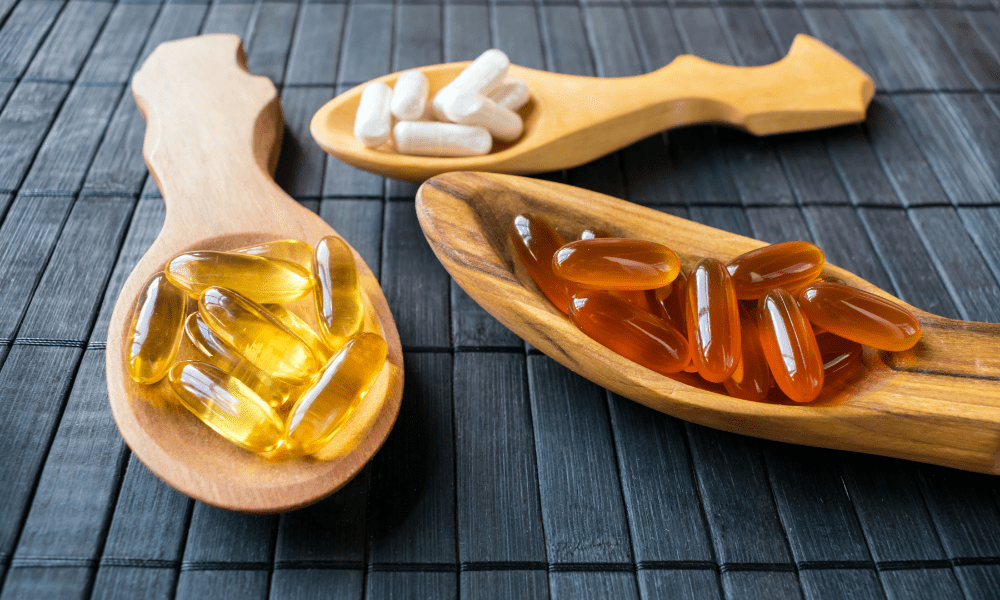
Krill oil also looks different than fish oil. While fish oil typically has a yellow hue, a naturally occurring antioxidant called astaxanthin gives krill oil its typical reddish color.
Candidate number three: algae oil
Algae! These marine organisms are now mostly grown in labs for their unique oil, which is packed with omega-3 fatty acids. While fish oil also provides omega-3 fatty acids, algae oil can be a great plant-based alternative if you can't eat seafood, are intolerant to fish oil, or are vegan.
The algae family itself includes around 40,000 species that rely on energy from sunlight or ultraviolet (UV) light and carbon dioxide. Microalgae biofactories are considered a promising approach for the sustainable production of omega-3 fatty acids, as shown by a study published in the journal Microbial Cell Factories .
Seaweed and algae also provide EPA and DHA, just like their animal competitors. However, since fish are not able to produce EPA and DHA themselves, they must ingest these substances by eating microalgae. Algae are therefore the actual source of the omega-3 fatty acids in fish.
If you would like to learn more about algae oil, be sure to check out our article on this topic.
Fish oil vs. krill oil vs. algae oil
So what? Which source of omega-3 should you choose? You probably need more information, right? OK, let's look at what the research has to say on the subject. Let's get the information!
Info 1. The fatty acids in fish oil are in the form of triglycerides, while those in krill oil are in the form of phospholipids. A study from 2015 suggests that the fats contained in krill oil are therefore easier for the body to use than those in fish oil.
Info 2. Algae, on the other hand, are considered the primary source of omega-3 fats, and all fish - whether wild or farmed - get their omega-3 content from eating these same algae, as can be read in an article on the website of the German Federal Environmental Foundation .
Info 3. A study found that the percentage of omega-3 fatty acids in microalgae is comparable to that of various fish.
Info 4. Fish oil is best known for its positive effects on heart health. However, several studies have shown that krill oil can also improve heart health. For example, in a controlled study, participants with high blood cholesterol took either fish oil, krill oil or a placebo daily for three months. The doses varied according to body weight. After this time, both fish oil and krill oil were found to improve several risk factors for heart disease. However, the study also showed that krill oil was more effective than fish oil at lowering blood sugar, triglycerides and "bad" LDL cholesterol, even though it was given in lower doses.
Info 5. Studies using DHA-rich algae oil have shown that taking 1,000-1,200 mg per day reduced triglyceride levels by up to 25 percent, improved cholesterol levels and thus contributed to heart health.
Info 6. In another study - published in the journal Lipids in Health and Disease - participants were given either fish or krill oil and the levels of fatty acids in their blood were measured over the next few days. Over 72 hours, blood concentrations of EPA and DHA were higher in those who took krill oil. These results suggest that participants utilized the krill oil better than the fish oil.
Info 7. On the other hand, a two-week study with 31 people showed that taking 600 mg of DHA from algae oil per day increased the same percentage of DHA in the blood as taking an equal amount of DHA from fish oil - even in a vegetarian group with low DHA levels at the start of the study.
Don’t forget: the environmental factor
According to the United Nations’ SOFIA report ( The State of World Fisheries and Aquaculture ), each person today eats an average of 19.2 kg of fish per year – about twice as much as 50 years ago.
One reason why marine species have declined by more than 39 percent in the last 40 years, as the WWF's Living Planet Report shows.
Algae, on the other hand, grow very quickly and do not contribute to overfishing of the oceans. For this reason, they are possibly more sustainable than food supplements made from fish or krill oil. The consumer advice center also shares this opinion.
In addition, because algae oil is grown and purified under controlled conditions, it is free of toxins that can be found in fish and fish oils.
To support sustainable fishing efforts - and to ensure you're getting the highest quality product - make sure the fish and krill oil you use was sourced using sustainable methods.
Conclusion: And the winner is...
... none! Or all of them, depending on how you look at it. Fish oil, algae oil and krill oil are all reliable sources of omega-3 fatty acids.
Krill oil appears to have a health advantage over fish oil because it may be more bioavailable, whereas fish oil is easier to obtain.
Algae oil is a plant-based source of EPA and DHA. It offers the same benefits as fish oil, but is a better choice if you don't eat fish, follow a plant-based diet, or don't like the taste or aftereffects of fish oil. Its production is also environmentally friendly.
Ultimately, it is a matter of personal preference and tolerance whether you use fish, krill or algae oil.
We at +Viktilabs have a 5% voucher for all readers of this article for our
Vegan Omega-3 provided and thank you for your attention.
Simply copy the voucher code OMEGA3-5+V and enter it at the checkout.
Click here to go to the product
______________________________________________________________________
[1] https://pubmed.ncbi.nlm.nih.gov/25398754/
[2] https://pubmed.ncbi.nlm.nih.gov/16825676/
[3] https://pubmed.ncbi.nlm.nih.gov/25285409/
[4] https://pubmed.ncbi.nlm.nih.gov/25062404/
[5] https://www.ncbi.nlm.nih.gov/pmc/articles/PMC3465194/
[6] https://pubmed.ncbi.nlm.nih.gov/31698772/
[7] https://onlinelibrary.wiley.com/doi/full/10.1111/1541-4337.12396
[8] https://pubmed.ncbi.nlm.nih.gov/26357480/
[9] https://www.ncbi.nlm.nih.gov/pmc/articles/PMC3465194/
[10] https://pubmed.ncbi.nlm.nih.gov/31698772/
[11] https://www.ncbi.nlm.nih.gov/pmc/articles/PMC3465194/
[12] https://pubmed.ncbi.nlm.nih.gov/15656713/
[13] https://www.sciencedirect.com/science/article/abs/pii/S1756464614002229
[14] https://link.springer.com/article/10.1007/s13410-013-0125-3
[15] https://pubmed.ncbi.nlm.nih.gov/25884846/
[16] https://www.sciencedirect.com/science/article/abs/pii/S1756464614002229
[17] http://www.fao.org/fishery/sofia/en
[18] https://livingplanet.panda.org/
[19] https://www.ncbi.nlm.nih.gov/pmc/articles/PMC3465194/
[20] https://pubmed.ncbi.nlm.nih.gov/31698772/

Fish oil: How valuable it really is
Fish oil is perhaps the most commonly purchased and consumed dietary supplement. We'll explain what makes fish oil so healthy and what you should keep in mind when taking it.
At the end of the article there is a voucher for our Vegan Omega-3 waiting for you.
It’s worth reading on!
Fish oil is made from fish. Anything else?
What exactly is fish oil? As the name suggests, fish oil is the fat or oil extracted from fish tissue. It usually comes from fatty fish such as herring, tuna, mackerel or anchovies. But it can also be obtained from other types of fish. Fish oil contains a high proportion of omega-3 fatty acids.
Omega-3 fatty acids make up around 30 percent of fish oil. The other 70 percent consists of other fats. The oil usually also contains vitamins, especially vitamins A and D. So if you eat fish several times a week, you can theoretically cover your need for omega-3 fatty acids.
However, too much fish is not recommended because the seas are contaminated with heavy metals that can enter our bodies through food.
A brief excursion into omega-3 fatty acids
Omega-3 fatty acids are long-chain, polyunsaturated fatty acids. These include alpha-linolenic acid (ALA), which is an essential fatty acid. The body cannot produce ALA itself. It must therefore be ingested through food.
Other important omega-3 fatty acids are eicosapentaenoic acid (EPA) and docosahexaenoic acid (DHA). They can be produced in the body from ALA - except in infants. However, the conversion rate in the body is very limited. Therefore, fish oil offers a great advantage here, as a study published in the journal Advances in Nutrition found.
Our Western diet has also replaced many of the omega-3 fatty acids with other fats, such as omega-6 fatty acids, a situation that contributes to many diseases.
We have compiled further interesting, scientifically based facts for you in our small series about omega-3 fatty acids:
Omega-3 fatty acids: effects and foods
Omega-3 deficiency: what are the consequences?
Omega-3 foods: These are the best sources
Let’s take a look at the health benefits that fish oil can provide.
Fish oil could help with these diseases
There is promising evidence and evidence that shows a positive influence of fish oil in the treatment of the following symptoms and diseases.
Fish oil for cardiovascular diseases
According to the World Health Organization (WHO), cardiovascular diseases remain the leading cause of death worldwide.
Against this background, the results of a meta-study published in the journal Circulation are interesting: It shows that people who eat a lot of fish generally suffer less from these diseases.
But fish oil can do even more!
According to a study published in the journal Diabetes Care, it is said to increase HDL cholesterol levels .
Another study from 2011 found that fish oil appeared to reduce triglycerides by about 15 to 30 percent .
It is also said to lower blood pressure in people with high blood pressure , according to research published in The Journal of Nutrition .
Fish oil for weight loss
Anyone with a body mass index (BMI) of more than 30 is considered obese. Just imagine: according to the Robert Koch Institute, two thirds of men (67 percent) and half of women (53 percent) in Germany are overweight. And as if that wasn't enough: a quarter of adults (23 percent of men and 24 percent of women) are even severely overweight (obese).
Obesity can significantly increase the risk of developing complications, including heart disease, type 2 diabetes and cancer.
Fish oil-based supplements can improve patients' body composition and, together with regular exercise, reduce risk factors for heart disease in obese people, as confirmed by this study published in The American Journal of Clinical Nutrition .
However, there are also studies that cannot confirm this effect.
Fish oil for chronic inflammation
Your immune system fights infections, pathogens and injuries through inflammation. But if this inflammation becomes chronic, it can become the cause of many diseases, such as obesity, diabetes, depression and heart disease, as an article in the journal Annual Review of Immunology shows.
Therefore, reducing inflammation can help alleviate the symptoms of these diseases. Fish oil in particular has anti-inflammatory properties that can help treat the symptoms of rheumatism, for example.
In rheumatoid arthritis, which causes joint pain and stiffness, the administration of fish oil has been able to significantly reduce the need for medication.
There is also clear evidence that fish oil plays a role in Crohn's disease prophylaxis, as an article in the German Medical Journal shows.
Possible improvement of asthma symptoms and allergy risks
Asthma is a chronic (i.e. long-lasting) and relapsing inflammatory disease of the airways that is becoming increasingly common in young children. There is hope that fish oil can reduce asthma symptoms, especially in early life.
In 2013, a study of nearly 100,000 people found that maternal intake of fish or omega-3 fatty acids appeared to reduce the risk of asthma in children by 24 to 29 percent.
As an article in the German Midwives' Journal - which refers to a study by the Copenhagen Studies on Asthma in Childhood Research Center (COPSAC) at the University of Copenhagen - explains, taking fish oil could reduce the risk of allergies in pregnant mothers in their infants.
Fish oil against mental decline
As we age, our cognitive abilities decline and the risk of Alzheimer's and other dementias increases. People who eat fish often have been shown to slow the decline in their brain function as they age.
However, this 2015 study criticizes the lack of definitive evidence that actually confirms its effectiveness.
Fish oil during pregnancy
Omega-3 fatty acids are essential for early growth and development, as confirmed by a study published in The American Journal of Clinical Nutrition . For this reason, it is important that mothers consume sufficient omega-3 fatty acids during pregnancy and while breastfeeding.
Taking fish oil supplements during pregnancy and breastfeeding may also improve the infant's visual development and reduce the risk of allergies.
Dosage and possible side effects
The European Food Safety Authority (EFSA) considers an intake of up to 5 grams of EPA and DHA (in combination) or 1.8 grams of EPA (individually) per day to be safe for adults.
The Global Organization for EPA & DHA Omega-3s recommends a daily intake of 0.2 to 0.5 grams (200 - 500 mg) of combined EPA and DHA. However, you may need to increase your dosage if you are pregnant, breastfeeding, or at risk for heart disease.
However, higher doses can alter the flow properties of the blood, prolong bleeding time and increase the risk of bleeding, as well as cause nausea and vomiting.
Increased caution is required when taking medication at the same time. For example, the use of high-dose omega-3 fatty acid products can increase the effect of anticoagulant medications such as acetylsalicylic acid (ASA).
Conclusion: Full health power from the sea
Omega-3 fatty acids have become an indispensable part of many people's diets. This is why fish oil is also becoming increasingly popular. Research shows that it has a positive influence on many of the body's processes.
The use of fish oil in the treatment of asthma, rheumatic diseases, inflammation and to support the heart and circulatory system is also promising.
A dietary supplement with fish oil can therefore be useful to meet the need for omega-3 fatty acids.
We at +Viktilabs have a 5% coupon for all readers of this article for our
Vegan Omega-3 provided and thank you for your attention.
Simply copy the voucher code OMEGA3-5+V and enter it at checkout.
Click on the image to go to the product
_________________________________________________________________________
[1] https://pubmed.ncbi.nlm.nih.gov/25398754/
[2] https://pubmed.ncbi.nlm.nih.gov/12442909/
[3] https://www.who.int/en/news-room/fact-sheets/detail/the-top-10-causes-of-death
[4] https://pubmed.ncbi.nlm.nih.gov/3990713/
[5] https://pubmed.ncbi.nlm.nih.gov/15184295/
[6] https://pubmed.ncbi.nlm.nih.gov/12351465/
[7] https://pubmed.ncbi.nlm.nih.gov/21924882/
[8] https://pubmed.ncbi.nlm.nih.gov/26817716/
[9] https://pubmed.ncbi.nlm.nih.gov/16267249/
[10] https://pubmed.ncbi.nlm.nih.gov/16565093/
[11] https://www.ncbi.nlm.nih.gov/pmc/articles/PMC3773450/
[12] https://pubmed.ncbi.nlm.nih.gov/17490962/
[13] https://pubmed.ncbi.nlm.nih.gov/17502874/
[14] https://pubmed.ncbi.nlm.nih.gov/21159785/
[15] https://pubmed.ncbi.nlm.nih.gov/21219177/
[16] https://pubmed.ncbi.nlm.nih.gov/16841861/
[17] https://pubmed.ncbi.nlm.nih.gov/7490601/
[18] https://pubmed.ncbi.nlm.nih.gov/20564531/
[19] https://pubmed.ncbi.nlm.nih.gov/15674003/
[20] https://pubmed.ncbi.nlm.nih.gov/11153584/
[21] https://www.ncbi.nlm.nih.gov/pmc/articles/PMC3827145/
[22] https://www.sciencedirect.com/science/article/abs/pii/S0091674903022711
[23] https://pubmed.ncbi.nlm.nih.gov/17413117/
[24] https://pubmed.ncbi.nlm.nih.gov/26305649/
[25] https://pubmed.ncbi.nlm.nih.gov/23173831/
[26] https://pubmed.ncbi.nlm.nih.gov/1908631/
[27] https://pubmed.ncbi.nlm.nih.gov/17185423/
[28] https://pubmed.ncbi.nlm.nih.gov/17957152/
[29] https://pubmed.ncbi.nlm.nih.gov/8317386/
[30] https://www.who.int/nutrition/topics/5_population_nutrient/en/index13.html

Krill oil: The best source of omega-3?
Do you know what krill is? No? Krill is a small orange-red shrimp that is found in huge numbers in the plankton of Antarctic seas. Certain species of whales, seals and even some species of birds feed on it. But krill is not only beneficial for them. Humans can also benefit from the various health advantages of krill. To what extent, we will explain in this article.
Krill - Not only healthy for whales
The krill oil we are talking about here is an oil extracted from Antarctic krill ( Euphausia superba ), which is considered very healthy due to its high content of essential omega-3 fatty acids and phospholipids.
There are around 85 species of krill worldwide, of which Euphausia superba is the best known. They live in the waters of the Antarctic and grow to an average size of 68 millimeters. This means that between 10,000 and 30,000 of the small crustaceans can be found in each cubic meter of water. An article on Zeit Online describes the little creatures vividly.
The diet of these invertebrate crustaceans consists of zooplankton and microalgae, which they either filter out of the water or ingest from the underside of the sea ice and the sea floor at depths of up to 1,000 meters. The Food and Agriculture Organization of the United Nations estimates the total biomass of krill swarms to be between 125 and 750 million tons worldwide.
What is krill oil?
Like fish oil, krill oil is rich in eicosapentaenoic acid (EPA) and docosahexaenoic acid (DHA), two types of omega-3 fatty acids. However, the fatty acids in krill oil are structurally different from those in fish oil, which affects the way the body uses them, according to a randomized controlled trial published in the journal Nutrition Research .
Krill oil owes its typical, deep red color to the astaxanthin it contains, the carotenoid that is not only responsible for the color, but also protects the unsaturated fatty acids in the body from oxidation as a natural antioxidant and preservative.
If you don't like fish oil, krill oil might help. It is considered a very good alternative. A study published in the journal Vascular Health and Risk Management shows that the body can absorb the omega-3 fatty acids in krill oil better because of the way in which EPA and DHA are made available. The reason: They can mix with water, unlike in fish oil, for example.
How good is krill oil for your health?
The oil from these small crustaceans offers several potential health benefits.
For example, high cholesterol and triglyceride levels are known to increase the risk of heart disease. A study published in the journal Biotechnology Reports suggests that taking omega-3-rich krill oil supplements may support heart health.
Another study from 2004 shows that people who consumed between 1 and 3 grams of krill oil per day experienced an increase in heart-protective HDL cholesterol.
Want another example? Okay: According to the above-mentioned study from the journal Biotechnology Reports, krill oil could help regulate the body's inflammatory response.
Time for more concrete examples.
How krill oil can support health
Various studies have found other areas in which krill oil can contribute to better health.
A good source of healthy fats
A study published in the journal Lipids in Health and Disease suggests that krill oil is more effective at increasing omega-3 levels than fish oil, for example. It hypothesizes that the different forms in which the omega-3 fatty acids are bound may be the reason for this.
Because the fatty acids are present as so-called phospholipids, they can be more easily absorbed by the body - in contrast to the triglycerides in fish oil.
A quick note: If you want to know more about the many benefits of omega-3 fatty acids, we recommend this article .
Krill oil in fighting inflammation
Omega-3 fatty acids, such as those found in krill oil, have important anti-inflammatory functions in the body.
One reason for this is a pink-orange pigment called astaxanthin, which has anti-inflammatory and antioxidant effects.
A study published in the Archives of Medical Science , which was conducted on 25 people with slightly elevated blood lipid levels, showed that daily intake of 1,000 mg of krill oil improved an inflammatory marker even more effectively than daily intake of 2,000 mg of purified omega-3 fatty acids.
Furthermore, another study from 2005 with 90 participants suffering from chronic inflammation showed that daily intake of 300 mg of krill oil was enough to reduce an inflammatory marker by up to 30 percent after one month.
Although there are still few studies examining the effect of krill oil on inflammation, the existing results so far show positive results.
Possible help against arthritis and joint pain
Because krill oil shows positive effects on inflammation, it may also improve arthritis symptoms and joint pain, which often result from inflammation.
In fact, a study examining the effect of krill oil on inflammatory markers suggests that krill oil may reduce stiffness, functional impairment, and pain in patients with rheumatoid or osteoarthritis.
A second, small but well-designed study in the journal PLOS ONE involving 50 adults suffering from mild knee pain showed that taking krill oil for 30 days significantly reduced participants' pain while sleeping and standing.
Although more studies are needed to verify these results, krill oil shows great potential in the supportive treatment of arthritis and joint pain.
Krill Oil and PMS
As already described, taking omega-3 fatty acids can help reduce pain and inflammation.
A study published in the American Journal of Obstetrics & Gynecology suggests that taking omega-3 fatty acids or fish oil supplements may help relieve period pain and symptoms of premenstrual syndrome (PMS).
Another study from 2003 compared the effects of krill oil and fish oil in women with PMS. It showed that while both supplements resulted in a statistically significant improvement in symptoms, the women who took krill oil required significantly less pain medication than the women who took fish oil.
So it seems that krill oil may be at least as effective as other sources of omega-3 fatty acids in improving PMS symptoms.
How to best take krill oil
According to the recommendation of the German Nutrition Society (DGE), the recommended dosage of essential fatty acids depends on the age and, of course, also on the amount of DHA and EPA contained in the supplement.
The European Food Safety Authority (EFSA) recommends a combined daily intake of DHA and EPA between 250 and 500 milligrams.
But there are also voices - especially Greenpeace - that speak out against the use of krill oil and recommend other alternatives .
If you decide to take krill oil, you should choose a high-quality product that has been laboratory-tested and does not contain any preservatives or other unnecessary additives. However, as with any dietary supplement, you should consult your doctor beforehand.
Krill oil: What are its side effects?
Krill oil is considered a safe dietary supplement and no serious side effects are known to date.
However, you should still be careful if you have a known hypersensitivity to crustaceans, seafood or fish. This applies not only to krill oil, but to omega-3 fatty acids in general.
An increased dosage of krill oil can also lead to prolonged bleeding times if you are taking anticoagulants or blood thinners, for example.
Conclusion: Healthy food from the eternal ice
Krill oil is a source of high-quality omega-3 fatty acids. The small shrimp from the Antarctic Sea have a high DHA and EPA content, both of which are essential fatty acids for humans. However, there are also opinions, such as those from Greenpeace, that speak out against the catching of krill to produce the oil.
Krill oil shows promising signs in the supportive treatment of inflammation, arthritis and joint pain or PMS. There are also virtually no known side effects if the recommended dosage is adhered to.
However, you should always talk to your doctor before making krill oil a regular part of your diet.
[1] https://pubmed.ncbi.nlm.nih.gov/21854650/
[2] https://pubmed.ncbi.nlm.nih.gov/19854375/
[3] https://www.ncbi.nlm.nih.gov/pmc/articles/PMC4559234/
[4] https://www.ncbi.nlm.nih.gov/pmc/articles/PMC6488718/
[5] https://pubmed.ncbi.nlm.nih.gov/15656713/
[6] https://www.ncbi.nlm.nih.gov/pmc/articles/PMC5751157/
[7] https://www.ncbi.nlm.nih.gov/pmc/articles/PMC6488718/
[8] https://pubmed.ncbi.nlm.nih.gov/24304605/
[9] https://pubmed.ncbi.nlm.nih.gov/26493628/
[10] https://pubmed.ncbi.nlm.nih.gov/31445058/
[11] https://pubmed.ncbi.nlm.nih.gov/27279841/
[12] https://pubmed.ncbi.nlm.nih.gov/17353582/
[13] https://pubmed.ncbi.nlm.nih.gov/17353582/
[14] https://pubmed.ncbi.nlm.nih.gov/27701428/
[15] https://www.pnas.org/content/100/4/1751
[16] https://pubmed.ncbi.nlm.nih.gov/25363189/
[17] https://pubmed.ncbi.nlm.nih.gov/8623866/
[18] https://pubmed.ncbi.nlm.nih.gov/12777162/
[19] https://pubmed.ncbi.nlm.nih.gov/12777162/
[20] https://efsa.onlinelibrary.wiley.com/doi/10.2903/j.efsa.2012.2815
[21] https://www.ncbi.nlm.nih.gov/pmc/articles/PMC6330561/
[22] https://www.ncbi.nlm.nih.gov/pmc/articles/PMC5037562/
[23] https://www.ncbi.nlm.nih.gov/pmc/articles/PMC6376981/


