




Latest posts
Magazine



Micronutrients for healthy nails: These are essential!
Many nutrients are needed to form and maintain healthy, strong nails. Changes in the nails, such as grooves, white spots, brittle, soft or splintering nails, are therefore often due to nutritional deficiencies.
But certain diseases and medications can also cause nail problems.
The following nutrients are important for the nails:
Biotin
Biotin is a B vitamin (vitamin B7) that is involved in the production of keratin. Keratin is a protein that is the main component of nails. It is also important for hair and skin.
It is therefore not surprising that nails become cracked and brittle when there is a biotin deficiency. Studies suggest that taking biotin could actually have a positive effect on brittle nails. In one study, biotin seemed to promote nail growth and improve nail thickness. [1] Taking biotin is probably particularly promising when there is a biotin deficiency.
zinc
Zinc also plays an important role in the formation of keratin. [2] Zinc therefore contributes to the maintenance of normal nails. A zinc deficiency can manifest itself as white spots on the nails.
selenium
Selenium is an essential nutrient that helps protect against oxidative stress. Selenium also has important functions in cell division. [3]
Selenium is important for nails and helps maintain normal nails. A selenium deficiency can also cause white spots on the fingernails.
iron
Iron has many important functions in the body. On the one hand, it is important for the transport of oxygen in the blood, but it also has important functions in cell division. Many enzymes also require iron as a cofactor.
An iron deficiency can cause nail changes, typically so-called spoon nails, which are hollow-shaped, soft and thin. [4]
Women, vegans and vegetarians are often affected by iron deficiency.
Conclusion: Beautiful, healthy nails are well supplied with nutrients
Many nutrients play an important role in the formation and maintenance of healthy nails. Nail problems are therefore often due to nutrient deficiencies. If you have existing problems, you should pay particular attention to ensuring you have a good supply of iron, biotin, zinc and selenium.
WE HAVE GONE YOU A 5% VOUCHER FOR OUR
BIOTIN , ZINC , SELENIUM AND IRON
PROVIDED AND HOPE TO BRING YOU JOY WITH IT.
SIMPLY COPY THE FOLLOWING COUPON CODE
AND ENTER IT AT CHECKOUT:
NAGEL+V5
TO THE PRODUCTS
[1] https://pubmed.ncbi.nlm.nih.gov/8477615/
[2] https://www.ncbi.nlm.nih.gov/pmc/articles/PMC6304883/
[3] https://pubmed.ncbi.nlm.nih.gov/22381456/
[4] https://www.ncbi.nlm.nih.gov/pmc/articles/PMC5838265/

Leaky gut syndrome: What can micronutrients do?
An estimated 10 million people in Germany suffer from leaky gut syndrome. With leaky gut, the intestinal wall becomes permeable to harmful substances, which promotes inflammation and can cause many problems.
The intestinal wall has an important barrier function. It prevents toxic substances, pathogens and other foreign substances from entering the body. The cells of the intestinal wall are held together by tight junctions, which can be imagined as a kind of zipper. The intestinal wall is also protected by a layer of mucus, antibodies and antimicrobial substances.
In leaky gut syndrome, this important barrier becomes permeable.
Leaky gut can have various causes. Inflammation, e.g. caused by bacterial infections or an inflammatory diet, can promote leaky gut. Alcohol, certain medications, food intolerances and stress can also lead to leaky gut syndrome.
Leaky gut syndrome manifests itself in numerous symptoms such as abdominal pain, malaise, diarrhea, tiredness and fatigue. Leaky gut is also often associated with irritable bowel syndrome.
Unfortunately, there is no treatment for leaky gut syndrome in conventional medicine because it is not yet officially recognized as a disease.
However, there is a lot of evidence that micronutrients can be helpful in treating leaky gut syndrome.
Probiotics
Probiotics can be useful for leaky gut for several reasons. First, they displace pathogenic bacteria that can damage the intestines in excessive numbers. There is also evidence that probiotics could stimulate the formation of tight junctions. Probiotics also seem to be able to support the formation of a protective mucus layer. [1]
Studies suggest that taking probiotics could lower zonulin in the blood. Zonulin is considered an important marker for the permeability of the intestinal wall.
Collagen
Collagen contains many amino acids that can have a positive effect on the intestines :
It is very rich in glycine. There is evidence that glycine may improve the barrier function of the intestine
It contains a lot of proline and hydroxyproline, which could improve wound healing and there is evidence that the two amino acids could be helpful in ulcerative colitis
The amino acid L-glutamine appears to promote the function of tight junctions and may support beneficial bacteria in the intestine [2]
reishi
Themedicinal mushroom Reishi is very rich in polysaccharides, which are said to have many positive effects on the intestines.
Reishi is said to be able to strengthen the immune system and there is a lot of evidence of an anti-inflammatory effect. Reishi can probably counteract the inflammation that accompanies leaky gut. Reishi also seems to be able to improve the intestinal flora and promote the regeneration of the intestinal mucosa. [3]
Vitamin D
Vitamin D plays an important role in cell division and can therefore probably support the formation of new intestinal cells. Vitamin D also has an anti-inflammatory effect. Scientists believe that it can therefore counteract the death of intestinal cells due to inflammation. [4]
Unfortunately, vitamin D deficiency is very widespread. According to a study by the Robert Koch Institute, over 50% of Germans do not have sufficient vitamin D.
zinc
Zinc has important functions in cell division and contributes to the maintenance of normal skin.
Inflammation also increases the need for zinc. This is why the inflammation associated with leaky gut probably makes zinc deficiency more likely than in people with a healthy gut. [5] , [6]
Curcumin
Curcumin is the active ingredient in turmeric and is said to have anti-inflammatory and antioxidant properties.
Turmeric is also rich in bitter substances that can stimulate stomach acid production and aid digestion. [7]
Conclusion: Anti-inflammatory nutrients are promising
Leaky gut syndrome is associated with inflammation and harms the entire body. Anti-inflammatory nutrients can help counteract this inflammation. People with leaky gut should ensure they have a good supply of these nutrients and avoid deficiencies.
WE HAVE GONE YOU A 5% VOUCHER FOR OUR
VITAMIN D , ZINC , COLLAGEN , TURMERIC AND REISHI
PROVIDED AND HOPE TO BRING YOU JOY WITH IT.
SIMPLY COPY THE FOLLOWING COUPON CODE
AND ENTER IT AT CHECKOUT:
LEAKY+V5
TO THE PRODUCTS
[1] https://pubmed.ncbi.nlm.nih.gov/27456494/
[2] https://pubmed.ncbi.nlm.nih.gov/25972430/
[3] https://foodandnutritionresearch.net/index.php/fnr/article/view/1559
[4] https://pubmed.ncbi.nlm.nih.gov/26137304/
[5] https://pubmed.ncbi.nlm.nih.gov/7829006/
[6] https://pubmed.ncbi.nlm.nih.gov/11383597/
[7] https://www.ncbi.nlm.nih.gov/pmc/articles/PMC5407015/

Prostate enlargement: What can micronutrients do?
Men of advanced age are very often affected by prostate enlargement: every second man over 60 and almost every 80-year-old has an enlarged prostate.
The prostate is a gland that surrounds the urethra and is involved in the production of sperm. An enlarged prostate narrows the urethra, making urination more difficult. As a result, the bladder is usually not completely emptied and those affected have to go to the toilet more often. This often also happens at night, which worsens the quality of sleep. The ability to get an erection is also impaired by an enlarged prostate.
The causes of prostate enlargement are not understood in detail. However, hormonal factors appear to play an important role. The active form of testosterone (dihydrotestosterone, DHT) can stimulate the growth of the prostate. In addition, a falling testosterone level in combination with a rising estrogen level appears to promote prostate enlargement.
Benign prostate enlargement does not necessarily lead to cancer. However, men with prostate enlargement have a significantly higher risk of prostate cancer. [1]
In the treatment of prostate enlargement, active ingredients are used that relax the muscles of the prostate, urethra and bladder. This makes urination easier. Other active ingredients inhibit the conversion of testosterone into DHT, which slows down prostate growth.
Micronutrients can also support the treatment of prostate enlargement.
Vitamin D
The prostate has many vitamin D receptors. This suggests that vitamin D has important functions in the prostate. Studies indicate that a vitamin D deficiency could worsen the symptoms of prostate enlargement. [2] Conversely, taking vitamin D seems to reduce the risk of prostate enlargement. [3]
A vitamin D deficiency is very common. Men with enlarged prostates should pay particular attention to ensuring they have a good supply of vitamin D.
Antioxidants
Oxidative stress occurs when free radicals take over. It damages the entire body. It is suspected that oxidative stress plays a role in the development of an enlarged prostate. In men with an enlarged prostate, malondialdehyde levels are increased; a marker for oxidative stress. In addition, affected men are often poorly supplied with vitamin C , vitamin E and carotenoids. These are important antioxidants in the body.
In one study, the carotenoid lycopene seemed to be able to stop the progression of prostate enlargement. [4]
Men with prostate enlargement should ensure they have a good supply of antioxidants such as vitamin C and vitamin E. Secondary plant substances such as astaxanthin andcurcumin also have a good antioxidant effect.
selenium
Selenium is also an important antioxidant. An enlarged prostate causes inflammation and oxidative stress. Selenium appears to be able to counteract oxidative stress in the prostate.
In studies, selenium in combination with lycopene and saw palmetto extract seemed to be able to alleviate the symptoms of prostate enlargement. [5]
Omega-3
An enlarged prostate causes inflammation and affected men often have elevated inflammatory markers. Omega-3 fatty acids have an anti-inflammatory effect and are often neglected in the diet.
In studies, omega-3 fatty acids appeared to improve the effects of medications containing the active ingredients finasteride and tamsulosin. [6]
Conclusion: Anti-inflammatory and antioxidant nutrients are particularly important in prostate enlargement
Prostate enlargement is associated with inflammation and oxidative stress. It is suspected that oxidative stress also plays a role in the development of an enlarged prostate. Those affected should therefore ensure that they have a good supply of anti-inflammatory and antioxidant nutrients.
WE HAVE GONE YOU A 5% VOUCHER FOR OUR
ORGANIC GRAPEFRUIT SEED EXTRACT, VITAMIN D , SELENIUM AND OMEGA-3
PROVIDED AND HOPE TO BRING YOU JOY WITH IT.
SIMPLY COPY THE FOLLOWING COUPON CODE
AND ENTER IT AT CHECKOUT:
PROSTATA+V5
TO THE PRODUCTS
.
[1] https://www.ncbi.nlm.nih.gov/pmc/articles/PMC3989826/
[2] https://pubmed.ncbi.nlm.nih.gov/28479770/
[3] https://pubmed.ncbi.nlm.nih.gov/16310924/
[4] https://pubmed.ncbi.nlm.nih.gov/18156403/
[5] https://pubmed.ncbi.nlm.nih.gov/23683667/
[6] https://pubmed.ncbi.nlm.nih.gov/28391389/
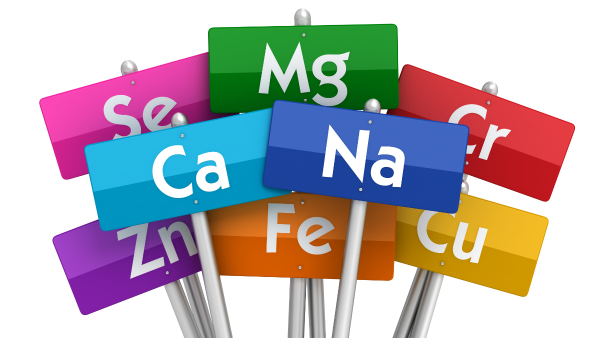
Minerals: What do they do in the body and which ones do you need?
Magnesium, selenium, iodine...these are just a few of the many essential minerals that we need to consume through food. Unfortunately, they are easily neglected in our diet.
In this article, you will learn about the important role individual minerals play in the body and how you can ensure that you meet your daily needs.
Magnesium
Magnesium plays an important role in more than 300 enzyme reactions in the body. It is of great importance for muscle function and maintaining bone health. In addition, magnesium is needed for signal transmission in nerve cells. [1]
A magnesium deficiency manifests itself in calf cramps, sleep disorders, muscle tension and twitching, and low sensitivity to stress. [2]
The European Food Safety Authority confirms the following effect of magnesium in its Health Claims Regulation:
Magnesium contributes
to a normal energy metabolism in
to normal psychological function in
to reduce tiredness and fatigue in
to normal muscle function in
to maintain normal bones in
to maintain normal teeth in
to normal functioning of the nervous system in
to normal protein synthesis in
to electrolyte balance in
Here you can learn more about magnesium.
Magnesium requirements
According to the German Nutrition Society (DGE), the recommended daily requirement of magnesium is between 300 and 400 mg. [3]
Magnesium-rich foods
There are only a few foods that are high in magnesium, so it is often difficult to meet your needs through food alone. However, there are some foods that are particularly rich in magnesium and can therefore serve as excellent sources.
The following foods are characterized by their high magnesium content: [4]
Seeds such as hemp seeds: 700 mg/100 g
Cocoa: 499 mg/100 g
Almonds: 270 mg/100 g
Mussels: 238 mg/100 g
Fish such as mackerel: 97 mg/100 g
Green leafy vegetables such as spinach: 87 mg/100 g
Legumes such as black beans: 70 mg/100 g
Avocado: 29 mg/100 g
Silicon
Silicon is a component of connective tissue and appears to contribute to the strength of skin, hair, nails and bones. It also probably plays a role in the formation and stabilization of cartilage and joints. There is also evidence that silicon is involved in collagen production, which is important for healthy skin, blood vessels and bones.
Silicon-rich foods
Millet, oats, rice, potatoes and peanuts are particularly rich in silicon.
MSM
Methylsulfonylmethane (MSM) is organic sulfur. Sulfur is found in connective tissue, among other places, and is believed to contribute to the maintenance of tendons, cartilage, muscles, bones and skin. Sulfur is also part of hormones and proteins and is important for their function. Scientists also suspect that MSM has anti-inflammatory and detoxifying effects.
Learn more about MSM here.
Sulfur-rich foods
Onions, garlic and protein-rich foods such as fish, meat, legumes, eggs and dairy products are good sources of sulfur.
Zinc
Zinc is essential for the functioning of the immune system and plays an important role in wound healing and skin health. [5]
Approximately 32% of men and 21% of women do not consume enough zinc through their diet. [6] Therefore, zinc deficiency is quite common. This manifests itself in symptoms such as poor wound healing, reduced sense of taste and smell, diarrhea and loss of appetite.
The European Food Safety Authority (EFSA) confirms the following effect of zinc in its Health Claims Regulation:
zinc
contributes to the maintenance of normal skin
contributes to normal protein synthesis
contributes to the maintenance of normal testosterone levels in the blood
contributes to the maintenance of normal hair
contributes to the maintenance of normal nails
contributes to normal macronutrient metabolism
helps protect cells from oxidative stress
contributes to normal fertility and normal reproduction (reproductive capacity)
contributes to normal cognitive function
contributes to the normal function of the immune system (physical defense)
has a function in cell division
Learn more about zinc here.
Zinc requirement
The recommended daily requirement of zinc according to the German Nutrition Society (DGE) is between 10 and 16 mg. [7] The requirement depends mainly on the consumption of foods containing phytic acid, such as legumes and cereals, since phytic acid impairs the absorption of zinc by binding zinc.
Zinc-rich foods
The following foods are rich in zinc: [8]
Oysters (45.1 mg/100 g)
Liver, such as veal liver (11.2 mg/100 g)
Nuts and seeds, such as hemp seeds (9.9 mg/100 g)
Cocoa (9.63 mg/100 g)
Meat, such as beef (8.78 mg/100 g)
Iron
Iron is particularly important for the transport of oxygen in the blood and plays an important role in many biochemical reactions. [9]
An iron deficiency leads to impaired formation of red blood cells. Pregnant women and menstruating women have an increased risk of iron deficiency. Typical symptoms of iron deficiency are paleness, difficulty concentrating, easy fatigue, reduced performance, loss of appetite, dry skin and increased susceptibility to infections. [10]
The European Food Safety Authority (EFSA) confirms the following effect of iron in its Health Claims Regulation:
iron
contributes to the normal formation of red blood cells and haemoglobin
contributes to normal oxygen transport in the body
contributes to normal energy metabolism
helps reduce tiredness and fatigue
contributes to normal cognitive function
contributes to the normal function of the immune system
has a function in cell division
Learn more about iron here.
Iron requirements
The recommended daily requirement of iron according to the German Nutrition Society (DGE) is between 10 and 15 mg. [11]
Iron-rich foods
Iron-rich foods are found in both plant and animal foods. However, animal iron can be better absorbed and utilized. The absorption of plant iron can be improved by combining it with vitamin C.
The following foods are rich in iron: [12]
Cocoa (13.9 mg/100 g)
Nuts and seeds, such as hemp seeds (7.95 mg/100 g)
Liver (7.4 mg/100 g)
Meat, such as beef (5.46 mg/100 g)
Seafood, such as oysters (5.78 mg/100 g)
Boron
Boron appears to play an important role in bone maintenance by supporting bone formation and regulating calcium metabolism. It is also thought to be involved in the formation and stabilization of collagen , an important protein in connective tissue. In addition, boron may play a role in hormone metabolism, particularly estrogens.
Boron-rich foods
Peaches, cucumbers, dried fruits, nuts and beetroot contain a lot of boron.
Copper
Copper is an essential component of many proteins and plays an important role in carbohydrate, protein and fat metabolism. It is also important for the immune system and iron levels. [13]
Symptoms of copper deficiency can include tiredness, exhaustion, bone loss, memory and concentration problems, paleness and premature graying.
The European Food Safety Authority (EFSA) confirms the following effect of copper in its Health Claims Regulation:
copper
contributes to normal energy metabolism
contributes to the normal functioning of the nervous system
contributes to the normal function of the immune system (physical defense)
helps protect cells from oxidative stress
contributes to the maintenance of normal connective tissue
contributes to normal iron transport in the body
contributes to normal hair pigmentation
Learn more about copper here.
Copper requirements
The recommended daily requirement of copper according to the German Nutrition Society (DGE) is between 1.0 and 1.5 mg. [14]
Copper-rich foods
Foods rich in copper include: [15]
Liver, such as beef liver (14.59 mg/100 g)
Oysters (5.71 mg/100 g)
dried shiitake mushrooms (5.17 mg/100 g)
Nuts and seeds, such as sesame (4.08 mg/100 g)
Cocoa (3.79 mg/100 g)
Seafood, such as lobster (1.55 mg/100 g)
Manganese
Manganese plays an important role in connective tissue. It also activates numerous enzymes and is required for protein synthesis. A lack of manganese manifests itself in bone problems, reduced fertility and disorders in carbohydrate and fat metabolism. [16]
The European Food Safety Authority (EFSA) confirms the following effect of manganese in its Health Claims Regulation:
manganese
contributes to normal energy metabolism
contributes to normal connective tissue formation
helps protect cells from oxidative stress
contributes to the maintenance of normal bones
Manganese requirement
The recommended daily requirement of manganese according to the German Nutrition Society (DGE) is between 2 and 5 mg. [17]
Manganese-rich foods
The following foods are rich in manganese: [18]
Spices such as cardamom (28 mg/100g)
Nuts such as hazelnuts (13 mg/100g)
Garlic (2 mg/100g)
Fruit like pineapple (2 mg/100g)
Legumes such as lima beans (2 mg/100g)
Algae such as wakame seaweed (1 mg/100g)
Oysters (1 mg/100g)
Chrome
Chromium plays an important role in carbohydrate metabolism and supports the regulation of blood sugar levels. It is also involved in the storage of carbohydrates, fats and proteins.
A deficiency in chromium can lead to coordination problems, weight loss and problems with blood sugar regulation. [19]
The European Food Safety Authority (EFSA) confirms the following effect of chromium in its Health Claims Regulation:
chrome
contributes to normal macronutrient metabolism
contributes to the maintenance of normal blood sugar levels
Chrome requirements
The recommended daily requirement of chromium according to the German Nutrition Society (DGE) is between 30 and 100 µg. [20]
Chromium-rich foods
Chromium-rich foods include meat, grains, fruits, vegetables and nuts. Chromium content can also depend greatly on how the food is processed. For example, if it comes into contact with stainless steel, its chromium content can increase. [21]
Selenium
Selenium plays an important role in the metabolism of thyroid hormones. It also protects against oxidative stress and is important for the immune system. [22]
Germany is a selenium-deficient area, so selenium deficiency is widespread. A selenium deficiency manifests itself in reduced fertility, exhaustion, concentration problems and an increased susceptibility to infections.
The European Food Safety Authority (EFSA) confirms the following effect of selenium in its Health Claims Regulation:
selenium
contributes to the maintenance of normal hair
contributes to the maintenance of normal nails
contributes to normal thyroid function
helps protect cells from oxidative stress
contributes to the normal function of the immune system (physical defense)
contributes to normal sperm formation (production of sperm cells)
Learn more about selenium here.
Selenium requirement
The recommended daily requirement of selenium according to the German Nutrition Society (DGE) is between 60 and 70 µg. [23]
Selenium-rich foods
The following foods are good sources of selenium: [24]
Brazil nuts
Oysters
liver
Fish
Seeds
seafood
Meat
iodine
As a component of thyroid hormones, iodine is important for the function of the thyroid gland, but all other organs also need iodine. It plays an important role in energy metabolism and the nervous system. [25]
Iodine deficiency is one of the most common nutritional deficiencies. The soil in Germany is low in iodine, which is why iodine deficiency is also widespread here. Iodized table salt can help to meet the need, but is often not enough on its own.
An iodine deficiency manifests itself in goiter formation, tiredness and exhaustion, rough and dry skin, obesity, easy chills and hair loss. [26]
The European Food Safety Authority (EFSA) confirms the following effect of iodine in its Health Claims Regulation:
iodine
contributes to normal energy metabolism
contributes to normal cognitive function
contributes to the normal functioning of the nervous system
contributes to normal production of thyroid hormones and normal thyroid function
contributes to the maintenance of normal skin
Learn more about iodine here.
Iodine requirement
The recommended daily requirement of iodine according to the German Nutrition Society (DGE) is about 200 µg. [27]
Iodine-rich foods
The following foods are good sources of iodine: [28]
Iodized table salt (5070 µg/100 g)
Seaweed, such as dried nori seaweed (2320 µg/100 g)
Eggs (49.2 µg/100 g)
Milk (34.3 µg/100 g)
Fish, such as salmon (26.2 µg/100 g)
Seafood, such as shrimp (14.7 µg/100 g)
Poultry, such as turkey (2.1 µg/100 g)
Legumes, such as kidney beans (1.1 µg/100 g)
Vegetables such as carrots (0.5 µg/100 g)
Conclusion: Minerals are indispensable
The body needs many minerals and trace elements every day to function optimally. Ideally, these needs should be met through a healthy, varied diet. However, this is not always possible. High-quality nutritional supplements can help ensure the supply of these important nutrients.
The Multimineral Complex Daily from Viktilabs contains magnesium, silicon, sulfur, zinc, iron, copper, boron, manganese, chromium, selenium and iodine. It is developed in Germany according to the highest quality standards and is free of unnecessary additives.
To help you get the most important minerals in the best quality, we would like to offer you a 5% voucher for our Multimineral Complex Daily .
Simply copy the voucher code “MULTI5+V” and enter it at checkout.
Click here for the product
[1] https://www.ncbi.nlm.nih.gov/pmc/articles/PMC5637834/
[2] https://pubmed.ncbi.nlm.nih.gov/29387426/
[3] https://www.dge.de/forschung/referenzwerte/magnesium/
[4] https://nutritiondata.self.com/foods-000120000000000000000.html
[5] https://www.ncbi.nlm.nih.gov/pmc/articles/PMC3724376/
[6] https://www.bmel.de/DE/themen/ernaehrung/gesunde-ernaehrung/nationale-verzehrsstudie-aufnahme.html
[7] https://www.dge.de/forschung/referenzwerte/zink/?L=0
[8] https://nutritiondata.self.com/foods-000124000000000000000.html
[9] https://www.ncbi.nlm.nih.gov/pmc/articles/PMC3999603/
[10] https://www.nhs.uk/conditions/iron-deficiency-anaemia/
[11] https://www.dge.de/forschung/referenzwerte/eisen/?L=0
[12] https://nutritiondata.self.com/foods-000119000000000000000-w.html
[13] https://www.ncbi.nlm.nih.gov/books/NBK225407/
[14] https://www.dge.de/forschung/referenzwerte/kupfer-mangan-chrom-molybdaen/?L=0
[15] https://nutritiondata.self.com/foods-000125000000000000000-w.html
[16] https://pubmed.ncbi.nlm.nih.gov/24470093/
[17] https://www.dge.de/forschung/referenzwerte/kupfer-mangan-chrom-molybdaen/
[18] https://nutritiondata.self.com/foods-000126000000000000000-w.html
[19] https://ods.od.nih.gov/factsheets/Chromium-HealthProfessional/
[20] https://www.dge.de/forschung/referenzwerte/kupfer-mangan-chrom-molybdaen/
[21] https://ods.od.nih.gov/factsheets/Chromium-HealthProfessional/
[22] https://www.ncbi.nlm.nih.gov/books/NBK557551/
[23] https://www.dge.de/forschung/referenzwerte/selen/
[24] https://nutritiondata.self.com/foods-000127000000000000000-w.html
[25] https://www.ncbi.nlm.nih.gov/pmc/articles/PMC3063534/
[26] https://pubmed.ncbi.nlm.nih.gov/21748117/
[27] https://www.dge.de/forschung/referenzwerte/jod/?L=0
[28] https://www.ars.usda.gov/northeast-area/beltsville-md-bhnrc/beltsville-human-nutrition-research-center/methods-and-application-of-food-composition-laboratory/mafcl -site-pages/iodine/
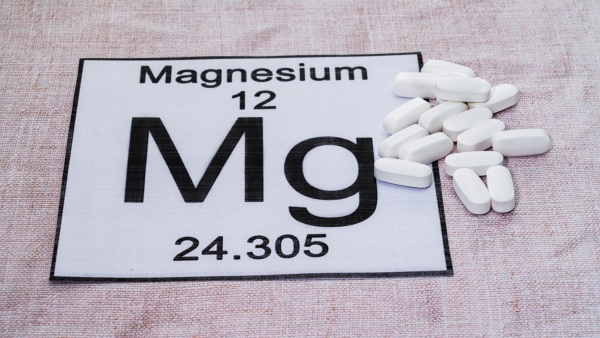
Not all magnesium is the same: which form of magnesium is best?
Magnesium is an essential mineral that is of great importance to our body. We must get it from our food because it plays a role in over 300 enzymatic reactions. Without magnesium, many important metabolic processes cannot run properly. It is particularly important for the function of our muscles, the strengthening of our bones and the transmission of nerve impulses.
Magnesium contributes
to a normal energy metabolism in
to normal psychological function in
to reduce tiredness and fatigue in
to normal muscle function in
to maintain normal bones in
to maintain normal teeth in
to normal functioning of the nervous system in
to normal protein synthesis in
to electrolyte balance in
*All claims of effectiveness are confirmed by the European Food Safety Authority through the Health Claim Regulation.
In our detailed article you will learn more about the importance and function of magnesium in the body.
Different forms of magnesium
Magnesium is always bound. So you are not taking pure magnesium, but magnesium that is bound to another molecule. This also applies to magnesium in food supplements.
Organic versus inorganic magnesium
When it comes to magnesium, a distinction is made between organic and inorganic magnesium. Organic magnesium is bound to organic molecules, inorganic to inorganic. Organic magnesium is better absorbed and has a higher bioavailability than inorganic magnesium. [1]
Organic compounds include:
Magnesium citrate
Magnesium malate
Magnesium Glycinate
Magnesium aspartate
Magnesium gluconate
Inorganic compounds include:
Magnesium oxide
Magnesium carbonate
Magnesium chloride
Magnesium sulfate
Magnesium citrate versus magnesium glycinate
Two popular organic magnesium compounds are magnesium citrate and magnesium glycinate. Which of the two is better?
There is no general answer to this question. Both forms have very good bioavailability. [2]
Magnesium citrate promotes the absorption of water into the intestines. This makes the stool softer and easier to pass. This also means that magnesium citrate has a mild laxative effect when taken in high doses, which can be a problem for some people. However, it can be beneficial for constipation.
Magnesium glycinate is better for people who are sensitive to magnesium citrate. Glycine is also an amino acid that has many interesting properties. [3] Glycine is not only a building block for proteins, it is also a component of glutathione, the body's most important antioxidant. There is also evidence that glycine may promote intestinal healing and, at least in animals, may prolong life. Glycine also has a calming effect on the nervous system and could therefore possibly promote sleep. Glycine is the smallest amino acid and is easily lacking in the diet. (Incidentally, glycine is also the most common amino acid in collagen .)
Magnesium malate
Magnesium malate is also a popular organic magnesium compound. Malate is a salt of malic acid and is an intermediate in the production of ATP. ATP is the energy of cells.
Magnesium malate, like magnesium citrate and magnesium glycinate, has a very high bioavailability and is very well tolerated. In addition, magnesium malate can be stored well and stays in the body longer than other magnesium compounds. [4]
Magnesium in dietary supplements
When taking dietary supplements containing magnesium, you should pay attention to the form in which the magnesium is present.
However, organic compounds are very large molecules that take up a lot of volume. This is why the daily dose of organic magnesium compounds is often several capsules a day. This may be a little impractical, but it cannot be avoided and is in the nature of things.
For this reason, magnesium in multi-preparations is usually present as inorganic magnesium. Organic magnesium would simply take up too much space.
Viktilabs relies on organic magnesium with high bioavailability: high-quality tri-magnesium dicitrate and magnesium complex with magnesium bisglycinate
To help you get the best quality magnesium, we would like to offer you a 5% voucher for our Mag-Triple® Daily Complex – Magnesium Complex .
Simply copy the voucher code “MagTri5+V” and paste it at checkout.
Click here for the product
[1] https://pubmed.ncbi.nlm.nih.gov/16548135/
[2] https://pubmed.ncbi.nlm.nih.gov/30761462/
[3] https://pubmed.ncbi.nlm.nih.gov/9829614/
[4] https://pubmed.ncbi.nlm.nih.gov/32625931/
Candida therapy: Treating intestinal fungus naturally
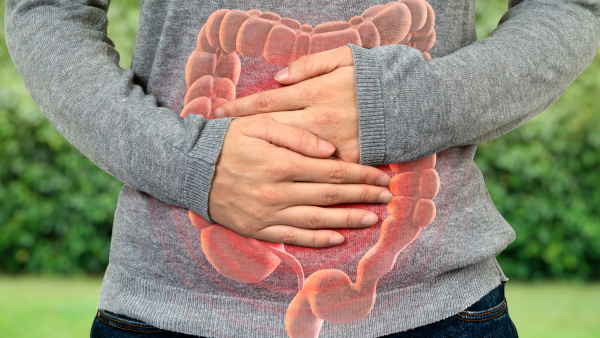
The yeast Candida albicans is a common cause of intestinal fungus. Most people have Candida in their intestines. However, if the fungus does not spread too far, it usually does not cause any symptoms. The immune system and intestinal flora usually keep the fungus in check and prevent excessive proliferation.
If the immune system is weakened, Candida can easily take over. Candida infection can cause various symptoms: bloating, stomach pain and diarrhea are among the most common symptoms. The fungus is also suspected of promoting cravings for sweets.
Candida is traditionally treated with antifungal drugs (antimycotics). However, these can cause many side effects.
Avoiding sugar and simple carbohydrates is also advisable if you have Candida infection, as these foods can promote the growth of the fungus.
Nutrients and secondary plant substances can also support Candida therapy:
Probiotics
Probiotics are “beneficial” bacteria that help build healthy intestinal flora. Probiotics can counteract the growth of fungi in the intestines in various ways.
Some probiotic bacteria produce substances that inhibit the growth of Candida and other fungi. They also produce acid, which lowers the pH level, making it harder for Candida to spread. Probiotic bacteria can also crowd out fungi and other pathogens. They compete for nutrients and space in the intestine. [1]
Taking probiotics seems to be particularly useful in cases of Candida infection after antibiotic therapy. [2] This is because antibiotics not only act against harmful bacteria, but also against beneficial bacteria in the intestine, which severely weakens the intestinal flora.
Reishi
The medicinal mushroom Reishi appears to have an antifungal effect and can therefore probably inhibit the growth of Candida in the intestine. [3]
Reishi is also said to be able to strengthen the immune system. A strong immune system is the most effective weapon against Candida and other pathogens.
Reishi is also rich in polysaccharides, which serve as food for beneficial intestinal bacteria. They are therefore prebiotics.
B vitamins
Candida patients are often not well supplied with B vitamins . However, a good supply of B vitamins is particularly important for them, as B vitamins have important functions in cell division. B vitamins are therefore important for the maintenance and regeneration of the intestinal mucosa. [4]
Grapefruit seed extract
Studies have shown that grapefruit seed extract has an antifungal effect. Grapefruit seed extract also appears to be able to inhibit the growth of yeasts such as Candida. [5]
Grapefruit seed extract also has antioxidant and anti-inflammatory effects and could therefore probably counteract inflammation in the intestines.
Vitamin D
Candida patients often suffer from vitamin D deficiency . This is a major problem, especially in winter: in the cold, dark season, people with Candida infections are particularly prone to viral and other infections. [6]
It is important to avoid a vitamin D deficiency and to compensate for it if necessary. Vitamin D has important functions in the immune system and is not only important for Candida patients.
Vitamin C
Vitamin C is also important for the immune system. Vitamin C is also an effective antioxidant and could therefore probably protect the intestinal mucosa from oxidative stress and support its healing. Vitamin C also seems to have a positive effect on the intestinal flora. [7]
Conclusion: Dietary supplements can support Candida therapy
Plant substances can have an antimycotic effect and thus support Candida therapy. Candida patients should also ensure they have a good supply of nutrients that are important for the immune system. This is because our immune system is the most effective weapon against Candida and other pathogens.
WE HAVE GONE YOU A 5% VOUCHER FOR OUR
REISHI , ORGANIC GRAPEFRUIT SEED EXTRACT, VITAMIN D , VITAMIN C AND B VITAMINS
PROVIDED AND HOPE TO BRING YOU JOY WITH IT.
SIMPLY COPY THE FOLLOWING COUPON CODE
AND ENTER IT AT CHECKOUT:
CANDIDA+V5
TO THE PRODUCTS
[1] https://pubmed.ncbi.nlm.nih.gov/23361033/
[2] https://www.sciencedirect.com/science/article/pii/S1875957216301401
[3] https://pubmed.ncbi.nlm.nih.gov/29199568/
[4] https://pubmed.ncbi.nlm.nih.gov/28157653/
[5] https://www.ncbi.nlm.nih.gov/pmc/articles/PMC6538181/
[6] https://pubmed.ncbi.nlm.nih.gov/27865660/
[7] https://pubmed.ncbi.nlm.nih.gov/36475828/
Increase HDL cholesterol with nutrients?
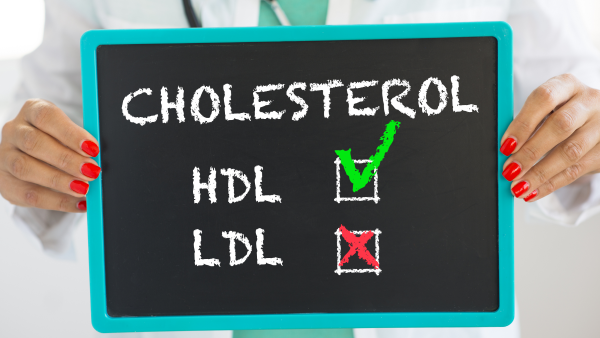
High cholesterol levels are considered harmful: they are said to increase the risk of cardiovascular disease, arteriosclerosis and heart attacks. However, scientists have realised in recent years that the total cholesterol level is not meaningful. Rather, it seems to be certain fractions of LDL cholesterol that have a negative impact on cardiovascular health. With HDL cholesterol, the opposite is true: HDL cholesterol appears to protect the blood vessels and a high HDL level is a sign of good cardiovascular health.
But can you increase HDL levels? Lifestyle seems to play an important role here: physical activity, a healthy diet and a healthy body weight seem to have a positive effect on HDL cholesterol. Fast food, smoking and too much alcohol, on the other hand, can cause HDL levels to be too low.
Nutrients can also affect HDL cholesterol.
Omega-3 fatty acids
Omega-3 fatty acids are considered heart-healthy. They can have a positive effect on triglycerides and HDL levels. [1] However, they can increase total cholesterol. However, this is not a cause for concern, as new scientific findings show that total cholesterol levels do not have much significance in terms of cardiovascular health.
Choline
Choline also appears to have a positive effect on cardiovascular and liver health. Studies suggest that it may lower triglycerides and LDL cholesterol and increase HDL cholesterol. [2] People who consume a lot of choline in their diet are slimmer, have lower body fat and belly fat, and higher HDL cholesterol. [3]
Egg yolks, liver , herring and wheat germ are good sources of choline.
Reishi
Themedicinal mushroom Reishi appears to have a positive effect on cardiovascular health. There is evidence that it can counteract insulin resistance and fatty liver . This also improves LDL cholesterol, triglycerides (blood fat levels) and increases HDL. [4]
This effect is probably due to the antioxidant properties of Reishi.
Turmeric
Curcumin is the ingredient that is said to be responsible for the positive health effects of turmeric . It appears to have a positive effect on triglycerides and cholesterol levels. There is also evidence that curcumin can increase HDL, but the data is not entirely clear. [5]
Amino-8
Protein is an essential nutrient that is easily lacking in the diet. A good supply of protein is very important for muscle maintenance and other health aspects. A diet rich in protein can also help increase HDL cholesterol. [6]
Protein consists of amino acids. Amino acids are therefore protein building blocks. A distinction is made between essential and non-essential amino acids. We must consume essential amino acids through food, but the body can produce non-essential amino acids itself from essential amino acids as needed - provided it is well supplied with essential amino acids.
That is why an adequate supply of essential amino acids is particularly important. Animal protein such as meat, fish and eggs is a good source of essential amino acids. If protein requirements are mainly covered by plant protein, essential amino acids can easily be lacking.
Vitamin B3 (niacin)
Vitamin B3 (niacin) is known to increase HDL levels. [7] It can also lower triglycerides. It appears to affect cholesterol production in the liver.
WE HAVE GONE YOU A 5% VOUCHER FOR OUR
REISHI , OMEGA-3 , LIVER COMPLEX DAILY (VEGAN) , TURMERIC , AMINO-8 AND B-VITAMINS
PROVIDED AND HOPE TO BRING YOU JOY WITH IT.
SIMPLY COPY THE FOLLOWING COUPON CODE
AND ENTER IT AT CHECKOUT:
HDL+V5
TO THE PRODUCTS
[1] https://www.nature.com/articles/s41387-017-0007-8
[2] https://www.tandfonline.com/doi/abs/10.1080/10495398.2019.1622557?journalCode=labt20
[3] https://www.cambridge.org/core/journals/proceedings-of-the-nutrition-society/article/associations-between-choline-intake-body-composition-lipid-profile-and-liver-status -in-healthy-adults/50FB2E97CD40F4B542811A237ED07C1D
[4] https://pubmed.ncbi.nlm.nih.gov/21801467/
[5] https://www.ncbi.nlm.nih.gov/pmc/articles/PMC5637251/
[6] https://www.nature.com/articles/ejcn201237
[7] https://www.ncbi.nlm.nih.gov/pmc/articles/PMC7441610/
Chlorophyll: How healthy is it really?
Chlorophyll is said to promote detoxification, act as an antioxidant and have many other positive effects. What is the truth behind this? In this article, you will learn what chlorophyll is exactly and how it can help you.
What is chlorophyll?
Chlorophyll is the pigment that gives plants their green color. It is essential for photosynthesis, which produces starch and oxygen from carbon dioxide (CO2) and UV light.
The term chlorophyll comes from the Greek: “chloros” means green and “phyllon” means leaf. So green leaf.
Chlorophyll is said to be one of the reasons why green vegetables are so healthy.
What does chlorophyll do?
The following effects of chlorophyll are currently being scientifically investigated:
Protection against mold toxins
Chlorophyll can bind aflatoxins and thus presumably inhibit their absorption. Aflatoxins are mold toxins that are suspected of causing liver cancer. In one study, taking chlorophyll seemed to reduce aflatoxin exposure by 55%. [1]
Chlorophyll and the skin
Chlorophyll is said to have anti-inflammatory, antioxidant and detoxifying effects. These properties could have a positive effect on the skin.
In one study, chlorophyll appeared to improve acne and reduce large pores on the face. [2]
Another study suggests that chlorophyll may counteract skin aging caused by UV light. [3]
Chlorophyll for bad body odor
Chlorophyll has long been used to combat bad breath and other unpleasant body odors. It is therefore also known as “deodorant from within.”
In a study of older people, chlorophyll appeared to regulate digestion while improving stool odor. [4]
Chlorophyll for detoxification
Chlorophyll appears to be able to bind not only aflatoxins, but also heavy metals, aromatic hydrocarbons (PAHs), dioxins, and heterocyclic aromatic amines. It is assumed that chlorophyll can therefore reduce the harmfulness of these substances.
Chlorophyll for blood formation
Chlorophyll is very similar to the red blood pigment heme. The difference between chlorophyll and heme is that chlorophyll contains magnesium instead of iron.
Studies suggest that chlorophyll may have a positive effect on ferritin levels in cases of anemia. [5] Ferritin is the iron storage value. This is somewhat surprising since chlorophyll does not contain iron.
Conversely, it is often difficult to increase ferritin levels with iron supplements. The solution to the puzzle probably lies in the fact that the body needs more than just iron to form hemoglobin - and that is exactly what chlorophyll provides.
Risks and side effects of chlorophyll
Taking chlorophyll appears to increase photosensitivity in some people. Therefore, it is important to be particularly careful about sun protection when taking chlorophyll.
When first taken, chlorophyll can also cause digestive problems such as nausea and diarrhea.
Chlorophyll can also discolor stool and urine, although this is harmless.
Buying chlorophyll: What you should pay attention to
When it comes to chlorophyll, you should definitely pay attention to quality. The absence of unnecessary additives and production in a German laboratory are important quality features.
You should also make sure that the chlorophyll contains natural chlorophyllin (the extracted form of chlorophyll) and not synthetic chlorophyllin with copper instead of magnesium.
The chlorophyll drops from Viktilabs contain natural chlorophyllin from alfalfa ( Medicago sativa ) - a crop from Asia that belongs to the legume family. They are free from binding agents, separating agents, sweeteners, colorants and other unnecessary additives. The chlorophyll drops are developed in Germany.
To help you get the best quality chlorophyll, we would like to offer you a 5% voucher for our chlorophyll drops.
Simply copy the voucher code “CHLOROPHYLL5+V” and enter it at checkout.
Click here for the product
[1] https://pubmed.ncbi.nlm.nih.gov/11724948/
[2] https://www.ncbi.nlm.nih.gov/pmc/articles/PMC6011872/
[3] https://pubmed.ncbi.nlm.nih.gov/25844615/
[4] https://agsjournals.onlinelibrary.wiley.com/doi/abs/10.1111/j.1532-5415.1980.tb00124.x
[5] https://www.phcogj.com/sites/default/files/10.5530pj.2016.4.10.pdf
Fatty liver disease: What can micronutrients do?
Fatty liver is a widespread disease: around a third of German adults have an enlarged liver due to fatty deposits. [1]
Fatty liver disease is divided into alcoholic fatty liver disease (AFLD) and non-alcoholic fatty liver disease (NAFLD). Until a few decades ago, non-alcoholic fatty liver disease was largely unknown. However, it is now responsible for the widespread prevalence of the disease.
Alcoholic fatty liver disease is, as the name suggests, caused by excessive alcohol consumption. The main cause of non-alcoholic fatty liver disease, on the other hand, is increased fructose consumption. Fructose and alcohol are metabolized in the liver in a very similar way.
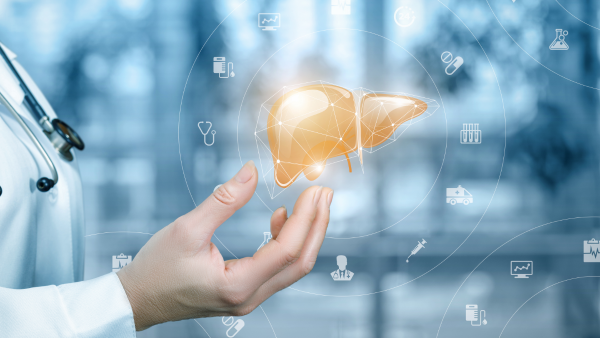
The liver is a central metabolic organ with important tasks in fat, protein, sugar and cholesterol metabolism . If fat accumulates in the liver, it can no longer carry out its tasks properly. Fatty liver disease therefore leads to increased blood fat levels (triglycerides) and bad cholesterol levels. NAFLD is also considered a risk factor for type 2 diabetes and cardiovascular disease. [2]
Fatty liver usually does not cause any obvious symptoms, but is often accompanied by symptoms of metabolic syndrome, which is manifested by increased waist circumference, high blood pressure , increased triglycerides, low HDL cholesterol and, in the late stages, increased blood sugar.
The accumulation of fat in the liver is reversible. However, if the fatty liver progresses, liver damage and severe inflammation occur in the liver; this is known as liver cirrhosis. This can lead to scarring, which can permanently limit liver function.
Diet and other lifestyle factors play an important role in the development of fatty liver. Micronutrients also appear to support the breakdown of fat in the liver and counteract inflammation in the liver.
L-Carnitine
L-carnitine is needed for the transport of fatty acids into the mitochondria, the power plants of our cells. It appears to be important for the detoxification of the liver and to support the function of antioxidant enzymes.
The body can produce L-carnitine itself from the amino acids lysine and methionine. If liver function is impaired, L-carnitine can often no longer be produced effectively.
Studies suggest that L-carnitine may counteract fatty liver disease and improve liver function. L-carnitine also appears to be able to improve sugar, blood fat and inflammation levels. [3]
Reishi
Reishi has long been used in traditional Chinese medicine to treat liver diseases. The medicinal mushroom is said to support liver function, promote liver detoxification and counteract liver problems. [4]
The triterpenes contained in Reishi appear to be responsible for the effect. Reishi is also rich in beta-glucans. Beta-glucans are soluble fibers that presumably have a positive effect on the liver. There is evidence that beta-glucans could reduce cholesterol production in the liver and thus lower cholesterol levels.
Choline
Choline is needed for the transport of fats in the blood. Choline can therefore promote the removal of fats from the liver and probably counteract fatty liver disease. [5]
The body can produce choline itself, but only to a very limited extent. It must be supplied through food and is therefore considered semi-essential.
Choline is only found in large quantities in a few foods. Liver and egg yolk are particularly rich in choline.
Omega-3
A fatty liver is highly inflammatory. Omega-3 fatty acids, on the other hand, have anti-inflammatory properties. They can therefore probably counteract the inflammation that accompanies a fatty liver.
Studies suggest that omega-3 fatty acids may improve liver function. Data also indicate that omega-3 fatty acids may be able to lower blood lipid levels (triglycerides). [6]
OPC
Oligomeric proanthocyanidins (OPC) have anti-inflammatory and antioxidant properties. It is therefore suspected that OPC could help counteract the damage caused by fatty liver.
In animal studies, OPC was able to reduce fat deposits in the liver and improve liver values. [7] However, this has yet to be confirmed in human clinical studies.
Bitter substances
Bitter substances can stimulate bile production and also have antioxidant properties. This means they can probably counteract damage caused by free radicals and inflammation in the liver. Some bitter substances are believed to be able to lower blood fat and cholesterol levels. [8]
Conclusion: Micronutrients are useful helpers for fatty liver
Certain micronutrients appear to be able to counteract fat deposits in the liver. They can also counteract inflammation and oxidative stress that accompany fatty liver disease.
WE HAVE GONE YOU A 5% VOUCHER FOR OUR
L-CARNITINE , REISHI , OMEGA-3 , OPC AND BITTER SUBSTANCES
PROVIDED AND HOPE TO BRING YOU JOY WITH IT.
SIMPLY COPY THE FOLLOWING COUPON CODE
AND ENTER IT AT CHECKOUT:
FETTLEBER+V5
TO THE PRODUCTS
[1] https://www.deutsche-leberstiftung.de/presse/pressemappe/leberkrankenen/fettleber/
[2] https://www.ncbi.nlm.nih.gov/books/NBK541033/
[3] https://pubmed.ncbi.nlm.nih.gov/28262196/
[4] https://pubmed.ncbi.nlm.nih.gov/23796220/
[5] https://www.ncbi.nlm.nih.gov/pmc/articles/PMC3601486/
[6] https://www.ncbi.nlm.nih.gov/pmc/articles/PMC5743581/
[7] https://www.sciencedirect.com/science/article/abs/pii/S0006291X15002193?via%3Dihub
[8] https://pubmed.ncbi.nlm.nih.gov/29520889/


