




Latest posts
Magazine



Shingles: Can micronutrients support treatment?
Shingles (herpes zoster) is caused by varicella zoster viruses. The initial infection with varicella zoster viruses usually occurs in childhood and leads to chickenpox. Years later, the viruses can be reactivated in the body, causing shingles.
Shingles is typically characterized by a painful, belt-like skin rash. In severe cases, nerve cells can be damaged (post-herpetic neuralgia), which is accompanied by severe nerve pain. The nerve pain can last for a long period of time.
Shingles can also cause headaches, fever, itching, fatigue and sensitivity to light
In immunocompromised people, the virus can spread throughout the body and attack internal organs.
In the treatment of shingles, active substances are used that inhibit the proliferation of viruses. This can shorten the duration of the illness and reduce the risk of subsequent damage. Pain-relieving medications are also used.
The following micronutrients can complement the treatment of shingles:
Vitamin C
Vitamin C is very important for the immune system. Vitamin C is also an effective antioxidant that counteracts oxidative stress. This means it can also reduce inflammation caused by oxidative stress.
A poor supply of vitamin C is associated with increased pain in post-herpetic neuralgia. Conversely, initial studies suggest that the administration of vitamin C could relieve pain in post-herpetic neuralgia. The pain-relieving effect of high doses of vitamin C is well documented in other types of pain. 1
Zinc
Zinc has many important functions in the immune system. Zinc also counteracts oxidative stress and has an anti-inflammatory effect.
Zinc deficiency appears to increase the risk of post-herpetic neuralgia, as patients with post-herpetic neuralgia often have low zinc levels.
Since zinc is so important for the immune system, it is generally recommended to ensure a good zinc supply in the event of an infectious disease. 2
Vitamin D
Vitamin D is essential for the immune system. A vitamin D deficiency increases susceptibility to infections.
There also seems to be a connection between vitamin D supply and pain in post-herpetic neuralgia: people with low vitamin D levels are more affected by pain. 3
Unfortunately, vitamin D deficiency is very common in Germany, especially in winter. If you have shingles, vitamin D deficiency should be avoided at all costs.
β-glucans
β -glucans occur naturally in the cell walls of mushrooms. They can stimulate the immune system and thus support the body's defenses. 4 Medicinal mushrooms are a good source of β -glucans and there are more and more studies investigating the effect of medicinal mushrooms on the immune system.
There are no studies yet on the effect of medicinal mushrooms on shingles, but it is definitely worth a try.
B vitamins
B vitamins are also known as nerve vitamins. For good reason. A good supply of B vitamins is essential for nerve health.
B vitamins can relieve nerve pain and reduce inflammation, which is often responsible for the pain.5 They can also improve the analgesic effect of medications.
Vitamins B1, B6 and B12 in particular are essential for the regeneration of nerve cells.
Patients with post-herpetic neuralgia often have low vitamin B12 levels. It is therefore important to ensure a good supply of vitamin B12 and other B vitamins.
Lysine
The amino acid lysine can inhibit the proliferation of viruses. This has been well researched, particularly in the case of herpes symplex viruses. 6 These viruses depend on the amino acid arginine to proliferate. Lysine is an antagonist of arginine.
There are no studies on shingles, but since varicella zoster viruses are closely related to herpes symplex viruses, lysine probably has a similar effect here.
Conclusion: Immune-boosting nutrients should not be missing for shingles
As with all infectious diseases, when suffering from shingles, it is important to ensure that you have a good supply of nutrients that are important for the immune system. The nerves should also be well supplied with the nutrients they need to function.
WE HAVE GONE YOU A 5% VOUCHER FOR OUR
VITAMIN C , ZINC , VITAMIN D , VITAMIN B COMPLEX FORTE & CORDYCEPS
PROVIDED AND HOPE TO BRING YOU JOY WITH IT.
SIMPLY COPY THE FOLLOWING COUPON CODE
AND ENTER IT AT CHECKOUT:
ROSE+V5
TO THE PRODUCTS
1 https://www.ncbi.nlm.nih.gov/pmc/articles/PMC5391567/
2 https://pubmed.ncbi.nlm.nih.gov/18250973/
3 https://pubmed.ncbi.nlm.nih.gov/25487609/
4 https://www.ncbi.nlm.nih.gov/pmc/articles/PMC3832763/
5 https://www.scielo.br/j/rdor/a/kT5mLw4Y4HMJtxYzkgH86XD/?format=pdf&lang=en
6 https://pubmed.ncbi.nlm.nih.gov/3115841/

Treat athlete’s foot with micronutrients?
Athlete's foot is extremely unpleasant: it causes itching, redness, blisters and scales. Athlete's foot mainly affects the soles of the feet, but often also affects the spaces between the toes, where the skin can easily tear. The fungus can also spread to the toenails and cause nail fungus, which is difficult to treat.
Athlete's foot is a fungal infection of the skin. It is caused by filamentous fungi and dermatophytes that attack the skin. The fungi feed on the horny substance of the skin.
The risk of infection is particularly high in public places where people walk barefoot, such as swimming pools and saunas. Sweating in shoes also promotes the development of athlete's foot, as fungi love it warm and moist.
People with immune deficiencies and diabetes have an increased risk of athlete's foot.
Athlete's foot is very contagious and can spread to other areas of the skin, such as the hands and the intimate area. That's why it's extremely important to maintain good hygiene when you have athlete's foot and to treat it as quickly as possible.
Athlete's foot does not go away on its own and must be treated with antifungal agents, so-called antimycotics. Athlete's foot is usually treated with creams or sprays that contain antimycotic agents.
In the case of large-scale infestation or if the fungus cannot be treated externally, tablets containing antimycotic active ingredients are also used. However, these often have unpleasant side effects such as nausea, itching and loss of appetite.
Micronutrients can support the treatment of athlete's foot.
Vitamin C
Vitamin C plays an important role in the immune system. [1] Vitamin C also promotes the formation of collagen. Collagen is the most common protein in connective tissue, which also includes the skin. If there is an insufficient supply of vitamin C, wound healing is impaired, making it easier for fungi to attack. That's why you should make sure you have enough vitamin C if you have athlete's foot.
zinc
Zinc has many functions in the immune system. At the same time, it is very important for the skin. It promotes the regeneration of skin cells and thus stimulates wound healing. [2] Fungi damage the skin, which makes it easier for them to multiply. [3] That is why a good supply of zinc is particularly important for athlete's foot.
Vitamin D
Vitamin D is very important for the immune system. It helps us fight fungi. A vitamin D deficiency makes us more susceptible to all kinds of infections.
In addition, vitamin D is needed for the formation and maturation of skin cells. [4] A good supply of vitamin D therefore makes the skin resistant to fungi.
β-Glucans
β-glucans are dietary fiber. The cell walls of fungi consist of β-glucans. An increased intake of β-glucans sensitizes the immune system to fungi. This makes it easier to fight fungi in the event of a fungal infection. [5]
Medicinal mushrooms such as reishi , cordyceps and almond mushroom are very rich in β-glucans. It is therefore obvious that they could have a supportive effect on athlete's foot.
Grapefruit seed extract
Grapefruit seed extract attacks the cell walls of bacteria and fungi, thereby inhibiting their growth. [6] Unfortunately, there is little data on humans, but due to its antifungal effect, grapefruit seed extract is very promising for athlete's foot.
Conclusion: The immune system needs nutrients to fight athlete's foot
Our immune system is the most effective weapon against athlete's foot and other infections, so it makes sense to avoid a deficiency in nutrients that the immune system needs.
A good supply of vitamin C, zinc and vitamin D is very important for immune function.
WE HAVE GONE YOU A 5% VOUCHER FOR OUR
VITAMIN C , VITAMIN D3 , ZINC AND GRAPEFRUIT SEED EXTRACT
PROVIDED AND HOPE TO BRING YOU JOY WITH IT.
SIMPLY COPY THE FOLLOWING COUPON CODE
AND ENTER IT AT CHECKOUT:
FUSS+V5
TO THE PRODUCTS
[1] https://pubmed.ncbi.nlm.nih.gov/29099763/
[2] https://www.ncbi.nlm.nih.gov/pmc/articles/PMC5793244/
[3] https://onlinelibrary.wiley.com/doi/abs/10.1111/j.1365-4362.1980.tb01997.x
[4] https://pubmed.ncbi.nlm.nih.gov/23174792/
[5] https://pubmed.ncbi.nlm.nih.gov/20186110/
[6] https://academic.oup.com/jbcr/article-abstract/24/suppl_2/S139/4734379?redirectedFrom=fulltext

Tired because of jet lag? How to combat jet lag
Anyone who has ever taken a long flight will know this: In the first few days, you are usually plagued by sleep disorders and tiredness. These are typical symptoms of jet lag. Here you can find out what jet lag is and what you can do about it.
What is jet lag?
The term jet lag describes very well what it is about. The word comes from English. Jet means jet plane and lag means time difference.
Because we will be able to cross several time zones in just a few hours by plane, our internal clock will be disrupted. Our bodies have to get used to the new sleeping and eating times, which takes some time. [1] Jet lag is therefore a modern phenomenon that has only existed since the invention of the airplane.
Symptoms of jet lag
Jet lag is experienced very individually. Some people hardly notice it, while others suffer greatly from it. The symptoms are not the same for everyone either.
However, the following symptoms are typical and frequently observed: [2]
Problems falling asleep and staying asleep
fatigue
Reduced performance
dizziness
Concentration problems
Headache
Irritability
Digestive problems
Loss of appetite
Why is jet lag less pronounced heading west?
Many people have fewer problems flying west than flying east: they find flying west much more pleasant. Why is that?
When you fly west, the day gets longer, so you go to bed later and can sleep longer the next day. Sounds a bit like a vacation or a weekend, doesn't it?
Exactly! That's why night owls in particular have fewer problems when they fly west. For morning people, however, who naturally wake up early in the morning and like to go to bed early, it's the exact opposite. They find flights east easier.
In the end, however, it makes no difference: Anyone who flies west will come back at some point and vice versa.
How long does jet lag last?
How long jet lag lasts varies from person to person. As a rule of thumb, jet lag lasts one day for every hour of time difference. So if there is an 8-hour time difference, you can expect it to take 8 days for your body to get used to the new time zone.
This is how you can reduce jet lag.
Unfortunately, jet lag cannot be completely avoided when there is a big time difference. But there are a few things you can do to reduce the effects and to adjust to the new time more quickly.
1) Prepare for the time difference
You can prepare for jet lag before you fly. If you're flying west, try going to bed a little later and sleeping a little longer than usual in the days before departure.
If you are flying east, the opposite is true: in this case, you should try to go to bed a little earlier and get up earlier before the flight.
2) Fly at a convenient time
This point is very important. For example, if you are flying west and in the days before the flight you have already adjusted your daily routine to the new time zone by going to bed later, you should avoid having to get up unusually early for the flight. This would ruin all your preparation. On the day of departure, you should therefore sleep in as much as possible.
Conversely, you should also arrive at your new location during the day. Otherwise, you will disrupt your sleep-wake rhythm more than necessary.
3) Adjust your meal times to the new time zone
Eating times have a big impact on the sleep-wake rhythm: we usually eat during the day and do not eat at night when we sleep. [3]
Even on the plane, you should make sure to adjust your meal times to the new time zone. If you are on the plane and it is the middle of the night in the new time zone, you should not eat anything.
After you arrive, you should eat at the usual times, but in the new time zone. For example, if you normally eat breakfast at 8 a.m., lunch at 12 p.m. and dinner around 7 p.m., you should do the same in the new time zone. This will help your body adjust more quickly.
4) Use natural daylight
Natural daylight determines our day-wake rhythm. It can therefore help you enormously to get used to the new time zone as quickly as possible. [4]
Early morning daylight helps you wake up. Waking up to daylight is ideal. You should also get natural daylight soon after you wake up. The commute to work is a good time to do this. If you don't have to leave the house, you can take a short walk around the block. This strategy is very useful whether you're flying east or west. Morning daylight signals to your body that it's time to start the day. Conversely, going to bed at a reasonable hour will also help you.
Conversely, this also means that you should avoid artificial light in the evening as much as possible. If you are flying west, staying awake longer may help you. But be aware that too much light in the evening has a negative impact on the quality of your sleep. You should be especially careful with light in the evening if you have problems falling asleep. If you cannot avoid being exposed to artificial light in the evening, blue light filter glasses can help.
5) Use coffee wisely
On the one hand, coffee can help you reduce jet lag, but on the other hand, you have to be careful with coffee. Otherwise, it can have the opposite effect. Coffee can wake you up and thus alleviate the symptoms of jet lag, but on the other hand, it can also have a negative effect on sleep. You should of course avoid the latter at all costs.
If you're flying west and have trouble staying awake late in the evening, an afternoon coffee can help. In the morning, however, coffee can help you get going, especially if coffee is part of your morning routine anyway.
However, if you are flying east, you should be careful about drinking coffee in the afternoon, as it may prevent you from falling asleep at bedtime.
6) Reduce jet lag with melatonin
Melatonin is a sleep hormone that determines our sleep-wake rhythm.
Light inhibits melatonin synthesis. When it gets dark in the evening, the body normally produces melatonin. However, if you have jet lag, it can take several days for melatonin synthesis to adjust.
However, you can also take melatonin from outside. This is very useful for jet lag. It can shorten the time it takes to fall asleep and reduce the feeling of jet lag.
Melatonin is particularly helpful on flights heading east. If you have trouble falling asleep, it can help you go to bed at a reasonable time. You should take melatonin in the evening, about half an hour before your planned bedtime. Studies have shown that taking melatonin can reduce jet lag. [5]
Here you can learn more about melatonin and how it can help you.
To support you on your way to a balanced sleep, we would like to offer you a 5% voucher for our melatonin drops.
Simply copy the voucher code “MELA5+V” and enter it at checkout.
Click here for the product
[1] https://www.ncbi.nlm.nih.gov/pmc/articles/PMC3630947/
[2] https://www.nhs.uk/conditions/jet-lag/
[3] https://www.ncbi.nlm.nih.gov/pmc/articles/PMC3227713/
[4] https://www.ncbi.nlm.nih.gov/pmc/articles/PMC6751071/
[5] https://pubmed.ncbi.nlm.nih.gov/3085768/
Using micronutrients to alleviate the effects of alcohol addiction
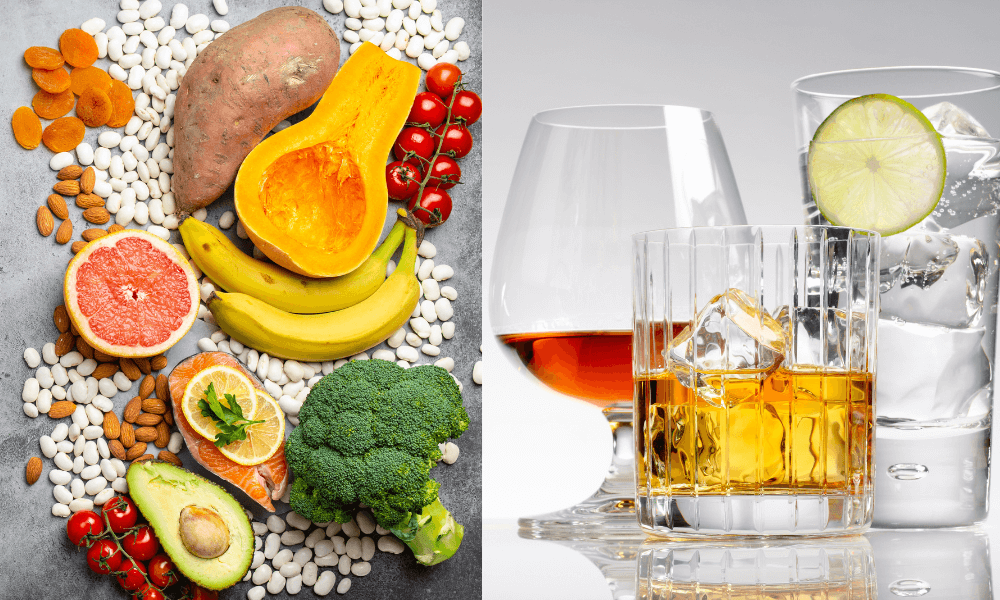
Excessive alcohol consumption puts a great strain on the body and can damage many organs, especially the liver and nerves.
Alcohol increases the need for many nutrients. In addition, alcoholics often do not consume enough vitamins and minerals. In addition, deficiencies can easily occur, which can exacerbate the effects of alcohol consumption.
Although consuming too much alcohol causes physical discomfort, abstaining from alcohol causes withdrawal symptoms in addicts, which can make it very difficult to stop drinking.
The aim of treating alcohol addiction is to help addicts to withdraw. Certain medications can alleviate withdrawal symptoms such as increased heart rate and feelings of anxiety. Psychotherapy can also help with withdrawal.
Taking micronutrients can counteract nutritional deficiencies that can easily arise from alcohol abuse.
B vitamins
The liver has important functions in the metabolism of B vitamins . If its function is impaired, a deficiency in B vitamins can easily occur. 1 In addition, alcohol addicts often do not absorb enough B vitamins through their diet.
Vitamin B1 : Vitamin B1 deficiency is very common among alcoholics, with an estimated 50% affected. 2
Vitamin B3 : A deficiency in vitamin B3 is associated with alcohol abuse.
Vitamin B6 : When alcohol is broken down, a metabolic product is created that reduces the absorption of vitamin B6.
Folic acid (vitamin B9) : Approximately 80% of alcohol addicts do not have sufficient folic acid .
Vitamin B12 : Alcohol consumption appears to promote a vitamin B12 deficiency. Even small amounts of alcohol have this effect.
Antioxidants
Heavy alcohol consumption leads to oxidative stress, which damages the liver, among other things. Antioxidants capture free radicals and thus counteract oxidative stress. 3 Vitamin A , vitamin C and vitamin E are important antioxidants in the body. Alcohol consumption also interferes with the absorption of fat, which means that the fat-soluble vitamins A and E cannot be utilized as well.
Zinc and selenium are also important antioxidants that are easily lacking in alcoholics.
Magnesium
Alcohol leads to an increased excretion of magnesium . In addition, people who are addicted to alcohol consume less magnesium, which can easily lead to a deficiency.
Magnesium is important for the functioning of nerves and muscles, among other things. There is evidence that taking magnesium could improve muscle strength in alcohol addicts. 4
Probiotics
Alcohol can damage many organs, including the intestines. It inhibits beneficial intestinal bacteria, which allows potentially harmful intestinal bacteria to multiply more easily. These bacteria produce ammonia and other toxins that damage the intestinal wall.
Probiotics contain beneficial intestinal bacteria that promote intestinal health. They can also strengthen the intestinal wall.
Initial studies suggest that probiotics could reduce inflammation levels in alcohol-related liver cirrhosis. 5
Vitamin D
Vitamin D is metabolized in the liver. If the liver is damaged, there is an increased need for vitamin D and a deficiency can occur more easily. Vitamin D also seems to be able to counteract liver damage in cases of alcohol abuse. 6
L-Carnitine
L-carnitine is important for the mitochondria, the power plants of our cells, because it is needed to transport fatty acids into the mitochondria.
Alcoholics often have low L-carnitine levels. 7 Taking L-carnitine appears to reduce listlessness in alcoholics. There is also evidence that L-carnitine may reduce cravings for alcohol. 8
Conclusion:
Alcohol addicts are often undersupplied with many essential nutrients. Nutrient deficiencies can increase the damage caused by alcohol abuse. A good supply of certain nutrients, on the other hand, appears to be able to protect against alcohol damage.
WE HAVE GONE YOU A 5% VOUCHER FOR OUR
B-VITAMINS ,MAGNESIUM , VITAMIN D , L-CARNITINE , VITAMIN C , SELENIUM AND ZINC
PROVIDED AND HOPE TO BRING YOU JOY WITH IT.
SIMPLY COPY THE FOLLOWING COUPON CODE
AND ENTER IT AT CHECKOUT:
CLEAN+V5
TO THE PRODUCTS
1 https://pubmed.ncbi.nlm.nih.gov/23752606/
2 https://pubmed.ncbi.nlm.nih.gov/24343128/
3 https://www.sciencedirect.com/science/article/pii/S175646462030236X
4 https://www.ncbi.nlm.nih.gov/pmc/articles/PMC2265283/
5 https://pubmed.ncbi.nlm.nih.gov/34630107/
6 https://www.sciencedaily.com/releases/2012/12/121214190935.htm
7 https://pubmed.ncbi.nlm.nih.gov/23752606/
8 https://pubmed.ncbi.nlm.nih.gov/20595193/
Adaptogens – Which ones are there and what do they do?
Adaptogens are naturally occurring substances from fungi and plants. They make the body more resistant to stress and increase the body's resilience in stressful situations.
Adaptogens are usually rich in antioxidants. This reduces oxidative stress and counteracts inflammation. Chronic inflammation is one of the greatest challenges of modern times, promoting lifestyle diseases and accelerating the aging process.
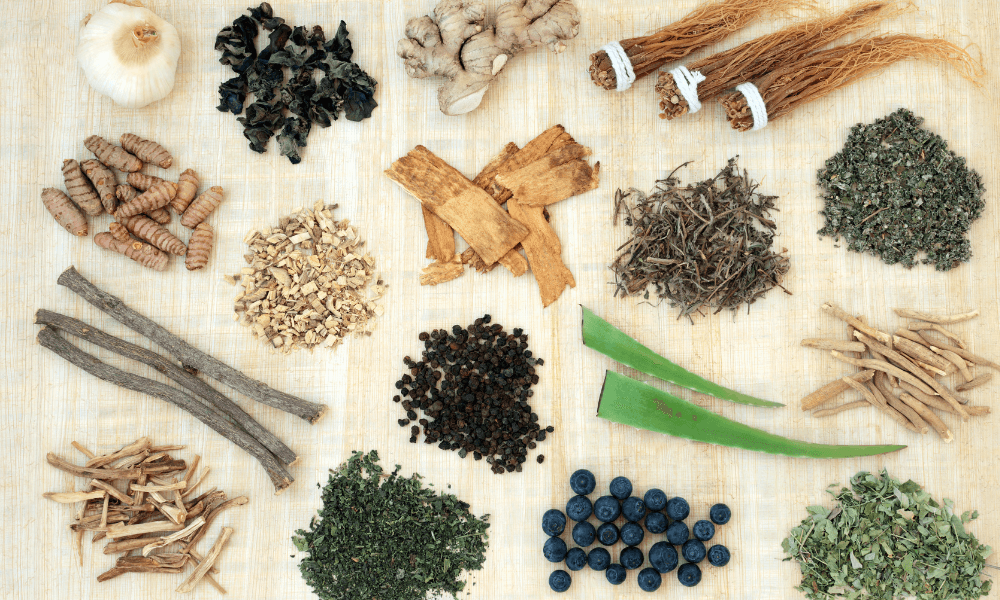
Here is an overview of the most important adaptogens:
Ashwagandha
Ashwagandha is one of the best known and most popular adaptogens. Ashwagandha is said to have many adaptive effects: it is said to have antioxidant, anti-inflammatory, anti-anxiety, sleep-inducing and calming effects. It is also said to improve stress management and strengthen the immune system. 1
Learn more about Ashwagandha here.
Reishi
The medicinal mushroom Reishi is known in traditional Chinese medicine as the mushroom of immortality and eternal youth. There is evidence of anti-inflammatory, detoxifying, calming, sleep-promoting and immune-boosting effects. 2
Here you can learn more about Reishi.
Cordyceps
The medicinal mushroom Cordyceps is said to have an energizing and aphrodisiac effect. There is evidence that it could be helpful for adrenal insufficiency and hypothyroidism. It is also said to have antioxidant, immune-boosting, detoxifying and antidepressant effects. 3
Learn more about Cordyceps here.
Almond mushroom
The almond mushroom is said to have an immune-boosting effect. It is also said to be able to lower blood sugar and blood pressure and promote detoxification. 4
Here you can learn more about the almond mushroom.
Monk's pepper
Chasteberry is said to be able to help with typical women's complaints. There is evidence that it can relieve menstrual and menopausal symptoms. It could also be helpful for PMS and period pain. 5
Here you can learn more about monk’s pepper.
CBD oil
Cannabidiol (CBD) is extracted from the hemp plant. CBD oil is said to relieve anxiety and depression and improve cardiovascular health. In addition, its nerve-protecting and pain-relieving effects are currently being scientifically investigated. 6
Turmeric
Turmeric contains the active ingredient curcumin, which is said to have antioxidant and anti-inflammatory properties. There is also evidence that curcumin could be helpful in treating cardiovascular diseases and depression. 7
Learn more about turmeric here.
Buying adaptogens: What you should pay attention to
When it comes to adaptogens, you should definitely pay attention to quality. The adaptogens should also be extensively tested for harmful substances to rule out contamination. Adaptogens should also not contain any unnecessary additives such as separating and binding agents, as well as sweeteners and colorants. With Viktilabs , you can be sure that the products are of the highest quality.
Here you can go to the Viktilabs shop.
WE HAVE YOU A 5% VOUCHER FOR OUR ASHWAGANDA , REISHI , CORDYCEPS , ALMOND MUSHROOM , CHASTEBERRY and TURMERIC
PROVIDED AND HOPE TO BRING YOU JOY WITH IT.
SIMPLY COPY THE FOLLOWING COUPON CODE
AND ENTER IT AT CHECKOUT:
ADAP+V5
TO THE PRODUCTS
1 https://pubmed.ncbi.nlm.nih.gov/34858513/
2 https://pubmed.ncbi.nlm.nih.gov/35407117/
3 https://www.ncbi.nlm.nih.gov/pmc/articles/PMC3909570/
4 https://pubmed.ncbi.nlm.nih.gov/18782264/
5 https://pubmed.ncbi.nlm.nih.gov/12809367/
6 https://pubmed.ncbi.nlm.nih.gov/33585159/
7 https://pubmed.ncbi.nlm.nih.gov/35889273/

Chronic inflammation: Which nutrients are important?
Inflammation is the body's natural defense response to acute threats, such as injury or inflammation. Once the situation is under control, the inflammation subsides.
In contrast to acute inflammation, there is also chronic inflammation: inflammation in the background that persists for many years. It damages the entire body and increases the risk of modern lifestyle diseases such as cardiovascular disease, autoimmune diseases, diabetes and cancer. An estimated 3 out of 5 deaths are due to the consequences of chronic inflammatory diseases. [1]
Essential nutrients and phytochemicals can help counteract chronic inflammation.
Green tea
Green tea is very rich in the antioxidant epigallocatechin gallate (EGCG). EGCG is also said to have an anti-inflammatory effect. Studies suggest that EGCG could lower the inflammatory markers CRP and IL-6. [2]
Olive leaves
The olive tree has been used by humans for several thousand years. In traditional medicine, olive leaves have long been valued as a medicinal remedy. Olive leaves contain the antioxidant oleuropin, which is also said to have anti-inflammatory properties. [3]
reishi
Reishi ( Ganoderma lucidum ) is known as the mushroom of immortality and eternal youth. Like other medicinal mushrooms, it is rich in β-glucans, triterpenes and polyphenols, which are said to have antioxidant and anti-inflammatory properties. [4]
Chaga
The Chaga mushroom ( Inonotus obliquus ) is also called the “elixir of life from Lapland”. It is rich in triterpenes and lanosterols, which are said to have very strong antioxidant and anti-inflammatory properties. [5]
Vitamin C
Vitamin C is an important antioxidant in the body that helps protect cells from oxidative stress. [6] Vitamin C is found in abundance in fresh fruits and vegetables. Unfortunately, vitamin C is very sensitive to heat and studies have shown that around 25% of the population is not optimally supplied with vitamin C. [7]
magnesium
Magnesium is an essential mineral that is easily lacking in the diet. It is involved in numerous metabolic processes and recent research suggests that magnesium may also be important for keeping inflammation in the body in check. [8]
Conclusion: It all depends on the right combination!
Nature provides numerous antioxidant and anti-inflammatory substances that complement each other well.
The inflammation complex from Viktilabs (InflammaCare® Daily) combines numerous anti-inflammatory substances: antioxidant plant substances, medicinal mushroom extracts, vitamin C and magnesium. It is developed in Germany according to the highest quality standards and is free from unnecessary additives such as colorants, sweeteners, binding and separating agents.
In order to support you with the best quality in chronic inflammation, we would like to offer you a 5% voucher for our InflammaCare Daily©️ .
Simply copy the voucher code “Inflamma5+V” and paste it at checkout.
Click here for the product
[1] https://www.ncbi.nlm.nih.gov/books/NBK493173/
[2] https://www.ncbi.nlm.nih.gov/pmc/articles/PMC3768132/
[3] https://www.ncbi.nlm.nih.gov/pmc/articles/PMC7703659/
[4] https://www.ncbi.nlm.nih.gov/pmc/articles/PMC5372873/
[5] https://www.sciencedirect.com/science/article/pii/S2225411020309809
[6] https://www.ncbi.nlm.nih.gov/pmc/articles/PMC9598715/
[7] https://www.ncbi.nlm.nih.gov/pmc/articles/PMC1448351/?adb_sid=9c65c3e0-4188-485d-8be9-17abdc460dd4
[8] https://www.ncbi.nlm.nih.gov/pmc/articles/PMC5783146/

Treating varicose veins: What can micronutrients do?
Varicose veins are caused by venous weakness. Veins transport blood from the tissue back to the heart. The venous valves are a weak point that have to work against gravity in the legs. If they leak, varicose veins and spider veins occur. In warm temperatures, fluid also easily leaks into the tissue, causing the legs to swell. In advanced stages, ulcers and even dangerous blood clots (thrombosis) can occur. This closes off the vein and stops the blood flow.
Varicose veins are usually treated with compression stockings, lymphatic drainage and special exercises (vascular exercise). They can also be cauterized and surgically removed.
If there is an increased risk of blood clots, blood-thinning medications are used.
Micronutrients and plant substances can also help with varicose veins.
OPC
Grape seed extract is rich in oligomeric proanthocyanidins ( OPC ) and appears to be able to support vein health in a number of ways. OPC has anti-inflammatory and antioxidant properties. Inflammation and oxidative stress can damage the vessels and contribute to varicose veins.
There is also evidence that OPC could strengthen the collagen connections in blood vessels, which could provide mechanical support to the vein walls. OPC also has a blood-thinning effect and can therefore probably help prevent thrombosis.
In one study, OPC appeared to reduce cramps and swelling. [1]
Omega-3
Omega-3 fatty acids have anti-inflammatory effects and may counteract the inflammation associated with varicose veins. There is also evidence that omega-3 fatty acids may prevent blood clots and thrombosis. [2]
B vitamins
B vitamins , especially vitamin B6, folic acid (vitamin B9) and vitamin B12, are needed to break down homocysteine - a toxic metabolic product. Homocysteine can damage blood vessels and appears to promote leg ulcers in cases of weak veins. [3] People with varicose veins should therefore ensure they have a good supply of B vitamins.
Vitamins C and E
Vitamins C and E are important antioxidants in the body that may help counteract the inflammation and oxidative stress associated with varicose veins. Vitamin C also promotes collagen production , which can support the blood vessel walls. [4]
Routine
Rutin is a secondary plant substance that belongs to the flavonoids. It is said to have many positive properties for vein health. It is also said to be able to counteract swollen legs by preventing water from the vessels from entering the surrounding tissue. [5]
Conclusion: Nutrients are very valuable for varicose veins
Varicose veins are associated with oxidative stress and inflammation. Antioxidant and anti-inflammatory nutrients appear to counteract this and improve vascular health.
WE HAVE GONE YOU A 5% VOUCHER FOR OUR
OMEGA-3 , B-VITAMINS , VITAMIN C AND OPC
PROVIDED AND HOPE TO BRING YOU JOY WITH IT.
SIMPLY COPY THE FOLLOWING COUPON CODE
AND ENTER IT AT CHECKOUT:
ADERN+V5
TO THE PRODUCTS
[1] https://pubmed.ncbi.nlm.nih.gov/22752876/
[2] https://pubmed.ncbi.nlm.nih.gov/11738053/
[3] https://pubmed.ncbi.nlm.nih.gov/19954389/
[4] https://www.ncbi.nlm.nih.gov/pmc/articles/PMC6204628/
[5] https://pubmed.ncbi.nlm.nih.gov/7883390/

Dry skin: These nutrients increase the moisture content of the skin
Healthy skin is optimally supplied with nutrients that are important for the skin. If these nutrients are lacking, skin problems will inevitably arise. Dry skin can be the result, or a tendency to eczema and problems with wound healing.
If the skin becomes dry, it is not optimally moisturized. Nutrients can help increase the moisture content of the skin in various ways.
Hyaluronic acid
Hyaluronic acid has the unique ability to bind very large amounts of water. It can bind 1000 times its own volume of water! Therefore, it is not surprising that hyaluronic acid seems to work wonders on dry skin. [1]
Omega-3
Omega-3 fatty acids may help strengthen the skin barrier. Studies suggest that omega-3 may increase the moisture content of the skin. [2]
Vitamin A
Vitamin A is the skin vitamin par excellence. It is involved in the production of collagen and is important for the formation and repair of new skin cells. [3] A deficiency in vitamin A can cause many skin problems.
Vitamin E
Vitamin E is found in almost every skin cream – and for good reason. Vitamin E strengthens the skin barrier and thus appears to improve the skin's water retention capacity and moisture content. [4]
B vitamins
B vitamins have many important functions in the skin.
Biotin is involved in the formation of keratin, which is part of the outer layer of skin, the epidermis. A deficiency in biotin can cause skin problems. [5]
Vitamin B3 appears to be important for the skin barrier. Vitamin B3 is involved in the formation of ceramides, which form a natural protective barrier and prevent water loss. [6]
A precursor of pantothenic acid (vitamin B5) is often added to skin creams. For good reason: It is said to bind water in the skin and strengthen the skin barrier, thereby retaining moisture in the skin. It also appears to promote wound healing. [7]
Vitamin C
Vitamin C also appears to be able to stimulate the production of ceramides and thus strengthen the skin barrier. Vitamin C is also involved in the formation of collagen. [8]
Collagen
Collagen is the most common protein in connective tissue: it is found in skin, cartilage, bones, tendons and ligaments. In the skin, it seems to be responsible for elasticity and a youthful appearance. [9] The body can produce collagen itself, but production decreases significantly with age.
zinc
Dry, cracked corners of the mouth are a typical symptom of zinc deficiency. Zinc is very important for the skin; among other things, it has an anti-inflammatory effect and is involved in wound healing. [10]
Vitamin D
Dry, flaky skin can indicate neurodermatitis or psoriasis – two inflammatory diseases. A lack of vitamin D can promote the development of these skin diseases. [11]
Conclusion: Beautiful skin is well supplied with nutrients
Many nutrients are involved in the formation and maintenance of skin. For example, they are important for the skin barrier and help to retain moisture in the skin. If you have dry skin, you should pay particular attention to ensuring you have a good supply of these nutrients.
WE HAVE GONE YOU A 5% VOUCHER FOR OUR
OMEGA-3 , VITAMIN A , B-VITAMINS , VITAMIN C , COLLAGEN , ZINC AND VITAMIN D
PROVIDED AND HOPE TO BRING YOU JOY WITH IT.
SIMPLY COPY THE FOLLOWING COUPON CODE
AND ENTER IT AT CHECKOUT:
TROCKENEHAUT+V5
TO THE PRODUCTS
[1] https://onlinelibrary.wiley.com/doi/10.1111/dth.15903
[2] https://pubmed.ncbi.nlm.nih.gov/21088453/
[3] https://www.ncbi.nlm.nih.gov/pmc/articles/PMC6791161/
[4] https://pubmed.ncbi.nlm.nih.gov/9706379/
[5] https://pubmed.ncbi.nlm.nih.gov/29438761/
[6] https://onlinelibrary.wiley.com/doi/10.1111/j.1473-2130.2004.00115.x
[7] https://pubmed.ncbi.nlm.nih.gov/21982351/
[8] https://www.frontiersin.org/articles/10.3389/fphys.2018.00819/full
[9] https://www.ncbi.nlm.nih.gov/pmc/articles/PMC8824545/
[10] https://pubmed.ncbi.nlm.nih.gov/30801794/
[11] https://karger.com/spp/article/31/2/74/305031/Vitamin-D-and-the-Pathophysiology-of-Inflammatory
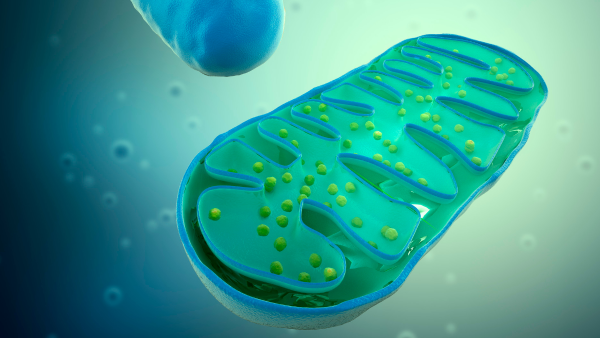
Mitochondrial diseases: What role do nutrients play in treatment?
Mitochondria are the power house of the cell: they are used to produce energy. If there are problems in the mitochondria, energy metabolism is disrupted. The consequences are a lack of energy, tiredness and muscle weakness. In the worst case, nerve disorders and organ damage can even occur.
When it comes to disorders of the mitochondria (mitochondriopathies), a distinction is made between primary and secondary disorders.
Primary mitochondrial diseases are caused by inherited genetic defects. They cause problems in early childhood.
Secondary mitochondrial diseases arise over the course of life, e.g. through contact with harmful substances or diseases.
Common triggers for mitochondrial diseases are:
Lack of oxygen, e.g. due to circulatory disorders
Heavy metal and chemical contamination
Nutrient deficiencies
Disturbances in sugar metabolism ( insulin resistance )
Chronic inflammation and infections
Chronic stress
Mitochondrial diseases are involved in many age-related diseases and metabolic disorders. These include cardiovascular diseases, neuropathy, chronic fatigue , diabetes mellitus , fatty liver , kidney failure, age-related macular degeneration (AMD) , hearing loss and loss of the sense of smell.
The treatment options for mitochondrial diseases are very limited. There are currently no officially approved medications.
However, micronutrients can support mitochondrial function.
L-Carnitine
L-carnitine plays an important role in the production of energy from fat. It is needed to transport fatty acids into the mitochondria. L-carnitine also promotes the health of mitochondria by promoting their detoxification .
An L-carnitine deficiency can lead to chronic fatigue syndrome. Conversely, taking L-carnitine seems to have a positive effect on fatigue syndrome. [1]
Coenzyme Q10
Coenzyme Q10 is also essential for energy production in the mitochondria. It is part of the respiratory chain, which uses oxygen to produce energy. At the same time, coenzyme Q10 is an antioxidant that protects the mitochondria from free radicals.
In mitochondrial diseases, coenzyme Q10 appears to improve muscle strength and reduce muscle fatigue. [2]
magnesium
Magnesium has many important functions in energy balance. The mineral is involved in over 300 enzyme reactions. Too little magnesium can therefore lead to energy deficiency.
There is a close connection between mitochondrial diseases and magnesium deficiency. People with fatigue syndrome often have low magnesium levels. [3]
Omega-3 fatty acids
Omega-3 fatty acids have anti-inflammatory effects. They are incorporated into the membranes of the mitochondria and are believed to protect the mitochondria from inflammation caused by oxidative stress. [4]
B vitamins
B vitamins are a group of vitamins that have many important functions in energy metabolism. [5]
Vitamin B1 is important for energy production from carbohydrates
Vitamin B2 contributes to normal energy metabolism and protects against oxidative stress
Niacin (vitamin B3) is important for the breakdown of carbohydrates and fats
Folic acid (vitamin B9) is often too low in mitochondrial diseases
Vitamin B12 has important functions in the production of energy from carbohydrates and fats
Antioxidants
When energy is produced in the mitochondria, free radicals are produced and if they get out of hand, oxidative stress can occur. When energy is produced, the cell uses oxygen - a very reactive molecule. In mitochondrial diseases, oxidative stress occurs more frequently. In addition, free radicals damage the mitochondria and thus promote mitochondrial diseases.
To counteract this, a good supply of antioxidants is important. These include, for example, vitamin C , vitamin E and selenium . [6]
Secondary plant substances can also have an antioxidant effect.Curcumin , OPC and astaxanthin are very rich in antioxidants. [7]
Conclusion: Mitochondria need many nutrients to function optimally
Many nutrients are involved in energy production in the mitochondria. Antioxidant nutrients can also help to scavenge free radicals in the mitochondria. If these nutrients are lacking, mitochondrial function can easily be impaired.
WE HAVE GONE YOU A 5% VOUCHER FOR OUR
L-CARNITINE , COENZYME Q10 ,MAGNESIUM , OMEGA-3 , B-VITAMINS , VITAMIN C , SELENIUM , TURMERIC , OPC AND ASTAXANTHIN
PROVIDED AND HOPE TO BRING YOU JOY WITH IT.
SIMPLY COPY THE FOLLOWING COUPON CODE
AND ENTER IT AT CHECKOUT:
MITOCHONDRIEN+V5
TO THE PRODUCTS
[1] https://www.ncbi.nlm.nih.gov/pubmed/25714882
[2] https://pubmed.ncbi.nlm.nih.gov/20886510/
[3] https://pubmed.ncbi.nlm.nih.gov/1672392/
[4] https://www.ncbi.nlm.nih.gov/pmc/articles/PMC3961091/
[5] https://pubmed.ncbi.nlm.nih.gov/35933667/
[6] https://pubmed.ncbi.nlm.nih.gov/8986468/
[7] https://pubmed.ncbi.nlm.nih.gov/21769543/


